








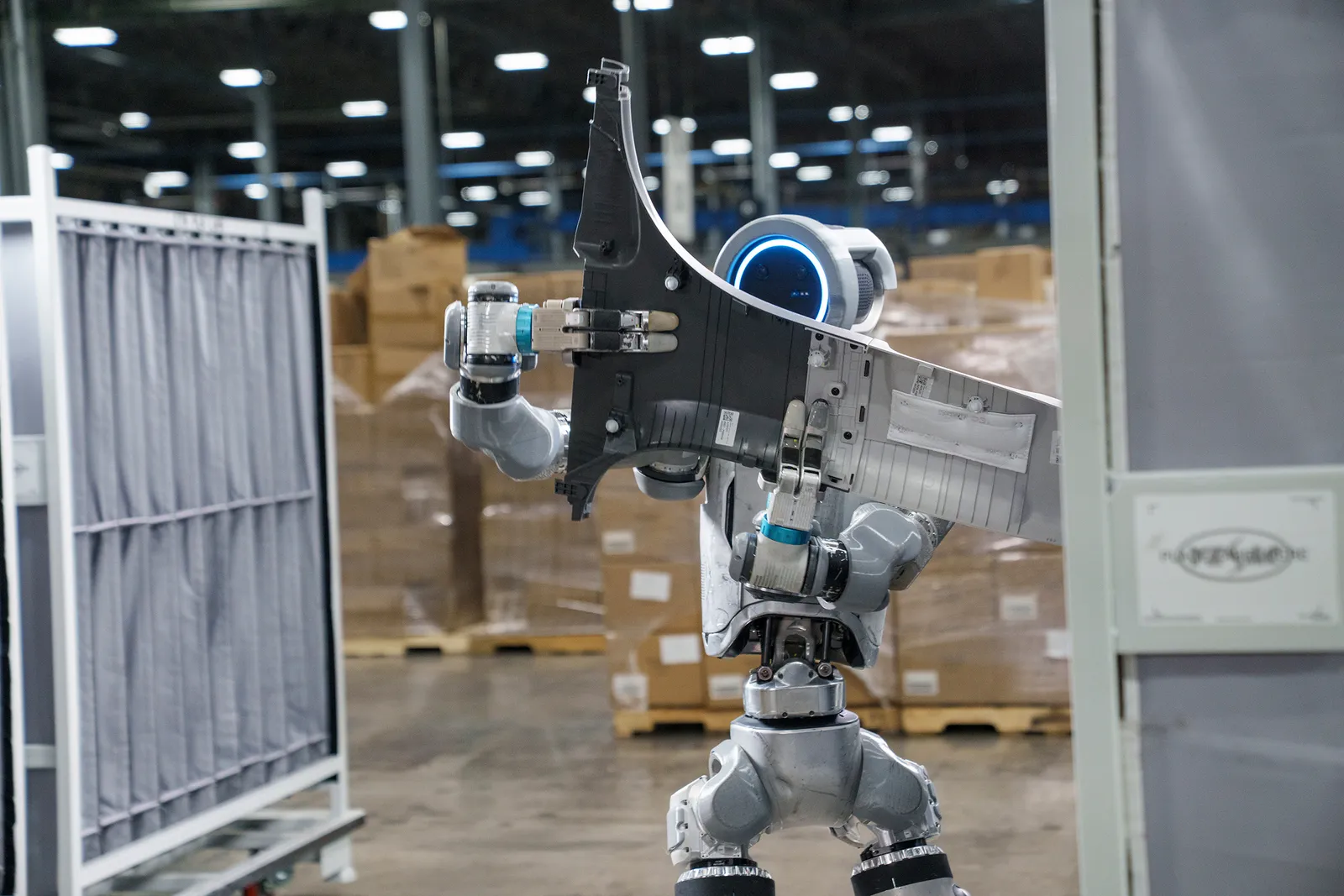

Humanoid robots have shifted from speculative science fiction to tangible industrial reality. From factory floors to warehouses, and from pilot demonstrations to corporate roadmaps, the conversation around humanoid robots has never been more urgent — nor more complex. But beneath the hype lies a crucial question: Is the industry truly ready for mass‑scale humanoid deployment?
This article takes a deep dive into the current technological landscape, commercial realities, economic drivers, regulatory hurdles, and the human factors that will ultimately determine whether humanoid robots can transcend buzz and become a mainstream industrial workforce.
1. The Promise and Paradox of Humanoid Robotics
Human‑shaped robots capture the imagination because of their potential versatility. Industries envision machines that can step into environments designed for humans without costly redesigns — climbing stairs, picking tools, opening doors, and adapting to unstructured tasks. This capability sets humanoids apart from traditional industrial robots bolted to a single task.
However, this promise coexists with a paradox. While progress in artificial intelligence, mechatronics, perception, and machine learning is palpable, commercial utility remains limited. Gartner’s latest research suggests that fewer than 20 companies globally are likely to scale humanoids out of pilot phases into genuine production environments by 2028 — and even then primarily in controlled manufacturing and supply‑chain roles rather than broad deployments across industry.
This gap between theoretical capability and practical application highlights the central challenge in humanoid deployment: moving beyond isolated innovation to broad, reliable, cost‑effective integration.
2. Technical Frontiers: What’s Working and What’s Not
Despite rapid advancements, key technological barriers remain significant:
Energy and Mobility
Bipedal locomotion — walking on two legs — remains an energy‑hungry challenge. Batteries still constrain operational uptime, and developing robust, reliable walking systems that rival human endurance is a moving target.
Dexterity and Sensing
Humanoid robots require sophisticated multi‑joint limbs and high‑resolution tactile sensing to handle delicate, human‑like manipulation. These high‑precision components increase cost and complexity, slowing mass‑scale production.
Software and Intelligence
Controlling a humanoid robot in unpredictable environments requires deeply integrated AI systems that blend perception, decision‑making, and real‑time motion planning. Though large language models and embodied intelligence advances are helping, commercial‑grade autonomy remains elusive.
Scaling the Supply Chain
The industrial ecosystem must reliably produce everything from actuators to advanced sensors at volumes that justify mass deployment — a challenge that Apple’s iPhone‑scale supply chain solved over decades, but humanoid robotics has yet to master.

3. Where Deployment is Happening — and Where It Isn’t
Mass production and real‑world deployment mean more than just thousands of units rolling off factory lines — they require actionable use‑cases with measurable ROI.
Manufacturing and Logistics
Major companies are signaling intent. Hyundai Motor Group plans to begin deploying Boston Dynamics’ Atlas humanoid robots in manufacturing by 2028, with subsequent expansion across global facilities.
Yet reports also show that even cutting‑edge commercial humanoid robots still operate at only 30–50% of human efficiency in specialized tasks — and investments are weighed against real business needs.
Logistics and warehousing show promise, but real deployments remain limited to fewer than 100 robots in pilot sites as of 2025. Supply chain operators are still evaluating payback periods and integration costs.
Service and Consumer Domains
While robots like Tesla’s Optimus have been showcased performing chores, measurable commercial deployments in homes or service industries are still conceptual rather than mainstream.
4. Economics: Cost, Value, and Return on Investment
Mass deployment hinges heavily on economics:
Upfront Cost
Even as prices fall from millions to lower hundreds of thousands per unit, humanoid robots remain a significant investment, especially for small and medium enterprises.
Operational Savings vs Labor Disruption
Businesses eye savings from automation of repetitive or dangerous tasks. Yet as with Hyundai, labor unions in some sectors push back, citing job displacement risks, creating social friction and negotiation hurdles.
Flexibility vs. Specialization
Traditional automation — fixed arms and conveyors — remains vastly more cost‑effective for repetitive, narrow tasks. Humanoids must prove their case in variable, human‑centric tasks before broad adoption justifies the investment.
5. Regulatory, Safety, and Ethical Dimensions
Humanoid robots raise concerns that go beyond engineering:
Safety and Standards
Existing industrial safety standards are not fully adapted to general‑purpose bipedal robots operating among humans. Globally coordinated safety frameworks specific to humanoid deployment are still under development.
Liability and Legal Frameworks
Who is responsible if a robot injures someone — the manufacturer, software developer, or operator? Clear global guidelines are largely absent.
Societal Impact
Ethical questions around displacement, worker retraining, and data privacy (as humanoids often carry cameras and sensors) require robust policies and safeguards.
6. Human and Organizational Readiness
Even if technology and economics align, industries must prepare people for coexistence with humanoid systems.
Workforce Transition
Jobs will evolve — some roles may disappear while others, like robot maintenance and supervision, will grow. Structured training programs are essential.
Change Management
Deploying humanoid robots means redesigning workflows, upskilling staff, and building trust between workers and machines.
Cultural Acceptance
Human acceptance of humanoid coworkers or assistants will vary by sector and region. Trust and familiarity are crucial.
7. Vision 2030 and Beyond: A Roadmap to Maturity
Experts forecast a staged evolution:
- 2025‑2028: Pilot testing, early industrial applications, niche logistics deployments.
- 2028‑2033: Incremental task expansion and broader trials across manufacturing and warehousing.
- 2030s: If core technological, regulatory, and economic challenges are overcome, humanoids could become a standard automation tool across industries — particularly in roles requiring adaptability in human spaces.
Final Assessment: Not Yet “Mass‑Scale” — But Closing the Gap
So, is the industry ready for mass‑scale humanoid deployment? The nuanced answer is:
Not yet — at least not in the broad, unrestricted sense imagined in sci‑fi visions.
But partial, targeted mass deployment (thousands of units per year in specific sectors) is approaching reality, driven by improving autonomy, supply‑chain readiness, commercial pilots, and economic incentives.
As technological maturation converges with well‑defined use cases, regulatory frameworks, and human readiness, what once seemed distant may well arrive on an accelerating timeline.