








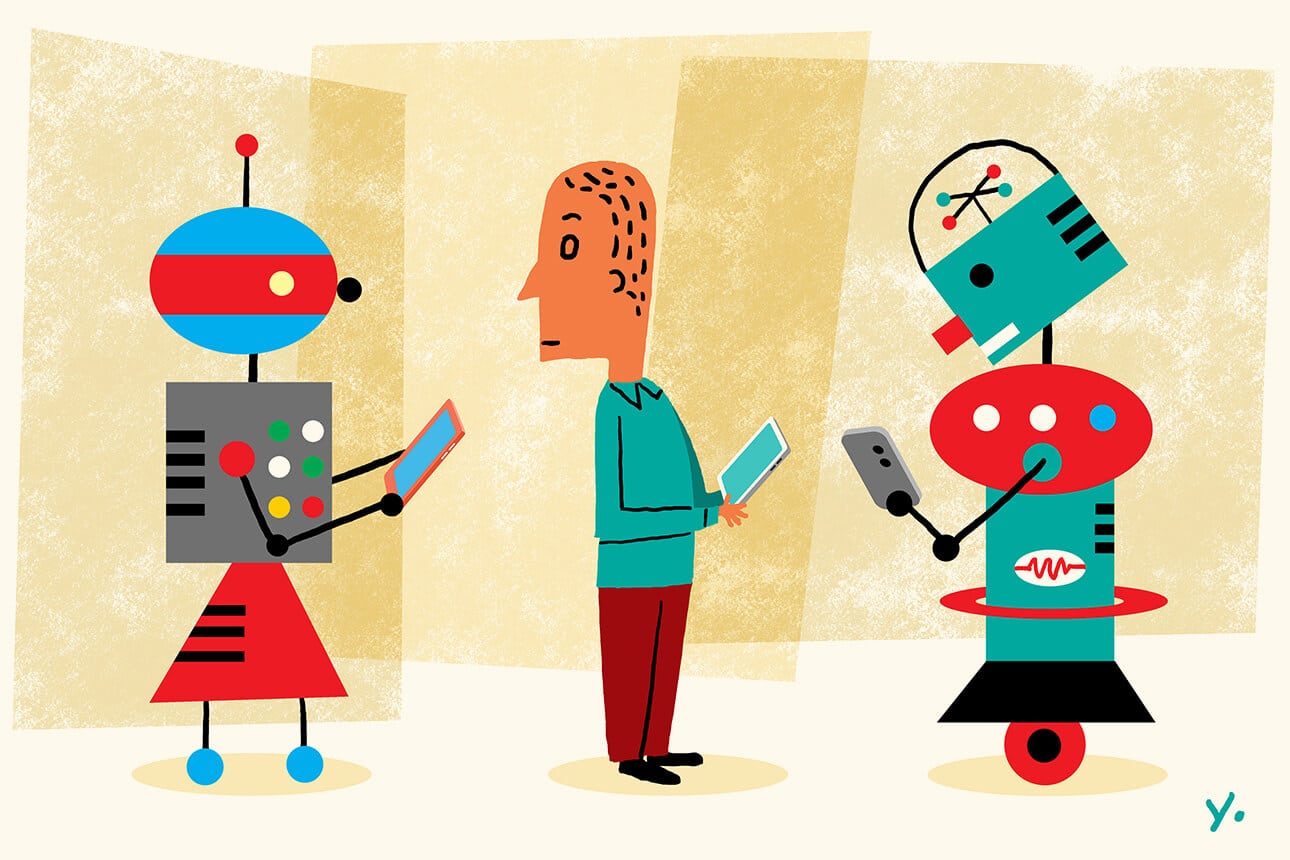

The question “Is Human‑Robot Collaboration the Future of Work?” no longer belongs in the realm of science fiction. It is rapidly becoming a central theme in boardrooms, laboratories, and front‑line production floors across the globe. From manufacturing plants to healthcare facilities, from logistics to retail, the dynamic between humans and robots is evolving — and it’s reshaping the nature of work itself. Drawing on the latest research, industry insights, and observable trends, this article explores how human‑robot collaboration (HRC) is not only a defining feature of the future workplace but a complex, multifaceted transformation that carries huge promise — and equally serious challenges.
What Is Human‑Robot Collaboration?
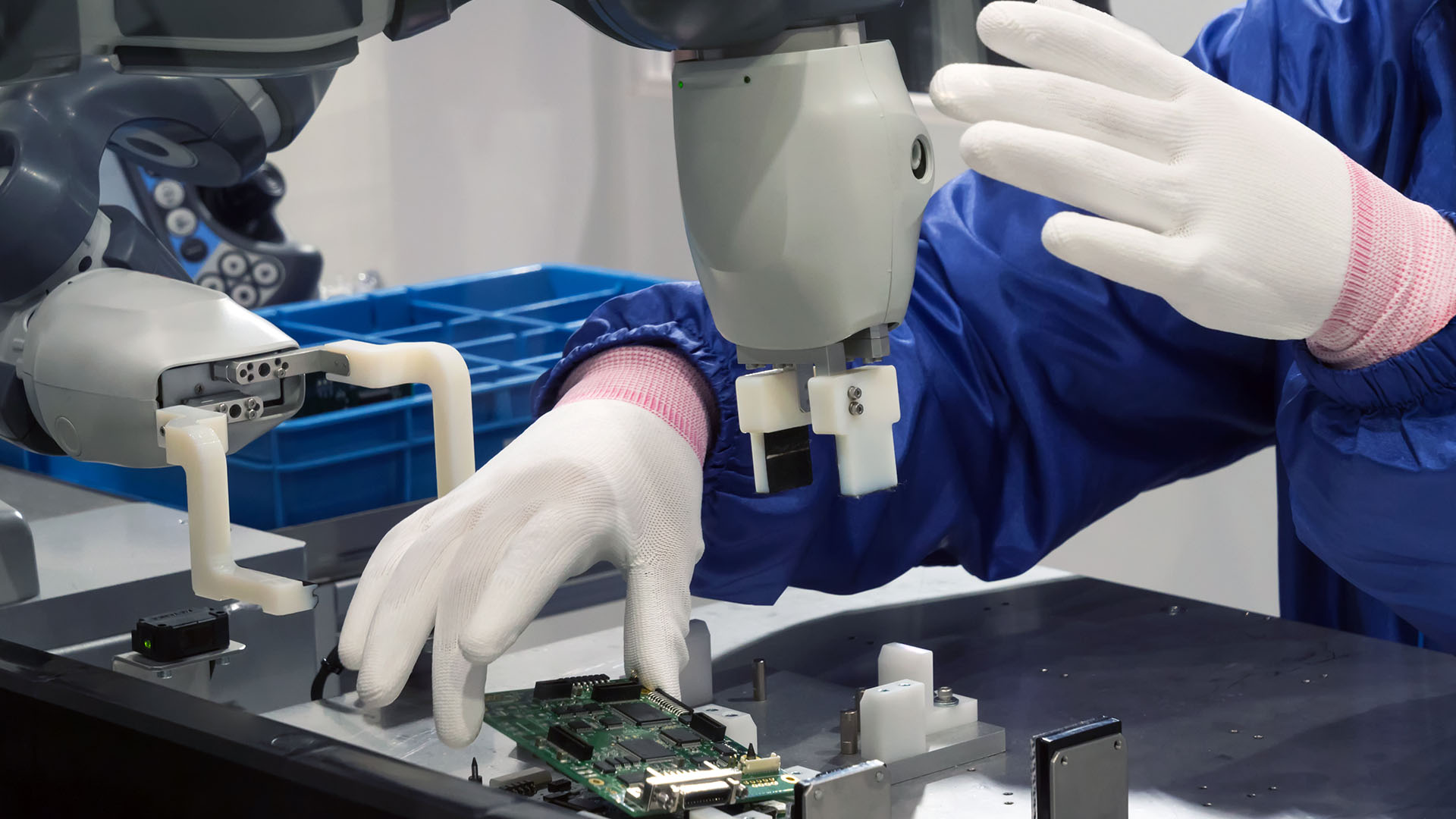
Human‑robot collaboration refers to systems in which robots and humans work together in shared spaces toward common goals. Unlike traditional automation — where robots operate isolated behind safety cages and perform repetitive tasks — collaborative robots (often called “cobots”) are designed to interact safely and dynamically with human workers. These systems blend the inventive reasoning and emotional intelligence of humans with robotic strength, precision, and tireless consistency.
Cobots are equipped with advanced sensor suites, artificial intelligence, and intuitive interfaces that enable them to sense human presence, adapt to context, and share tasks fluently rather than replace humans wholesale. This marks a fundamental shift from automation as replacement to automation as augmentation — a principle that lies at the heart of Industry 5.0.
Why Human‑Robot Collaboration Matters Now
Several converging forces are driving the emergence of HRC as a cornerstone of the future of work:
1. Technological Advancements:
AI, machine learning, sensors, and perception technologies are making robots smarter, safer, and more adaptable. Robots can now perceive human actions, understand verbal and non‑verbal cues, and adjust their behavior in real time — a dramatic departure from legacy industrial automation.
2. Labour Shortages and Demographic Change:
Across many developed economies, ageing populations and declining birth rates are reducing the size of the available workforce, especially for physically demanding or repetitive roles. Robots provide a means to sustain productivity and fill critical gaps.
3. Demand for Higher Productivity and Safety:
Companies seek to elevate productivity while ensuring worker safety. Robots excel at repetitive, dangerous, or high‑precision tasks that can cause fatigue or injuries in humans, allowing human workers to focus on creative, strategic, and management roles.
4. Emerging Business Models and Skills:
Human‑robot collaboration is creating new roles — from robot maintenance and programming to AI system trainers and workplace integrators. These opportunities indicate a shift in how businesses conceive labor markets.
Domains Where Human‑Robot Collaboration Is Already Transforming Work

Manufacturing and Industrial Production
Collaborative robots are moving beyond cages and welding stations to assist directly with assembly, quality inspection, and logistics tasks. In smart manufacturing environments, HRC reduces errors, improves throughput, and supports flexible production lines capable of rapid reconfiguration.
Although humanoid robots are still emerging, companies such as Airbus and others have begun experimenting with humanoid assistance in aviation manufacturing — a sign of how far these systems are evolving.
Warehousing and Logistics
E‑commerce giants deploy fleets of robots that navigate warehouses alongside human workers. Robots handle heavy lifting and movement optimization while humans focus on planning, exception handling, and customer‑centric tasks. This blend is reshaping how goods are stored, picked, packed, and shipped.
Healthcare and Caregiving
Healthcare environments require a mix of precision, empathy, and adaptability. Robots can assist with tasks like sanitation, medication delivery, or heavy lifting, while human professionals provide nuanced decision‑making and emotional support. Socially aware robots may even help reduce caregiver workload over time.
Retail and Service Sectors
Robots capable of customer interaction, inventory tracking, and even assisted shopping are increasingly seen in retail environments. When configured for collaboration, these systems complement human employees rather than supplant them, enhancing customer experience.
The Benefits of Human‑Robot Collaboration
Enhanced Efficiency and Productivity
By combining human adaptability with robotic consistency, HRC can deliver productivity gains far beyond what either could achieve alone. Robots excel at physical and data‑intensive tasks, while humans provide judgment, empathy, creativity, and problem‑solving.
Improved Workplace Safety
Robots can undertake dangerous or strenuous tasks, significantly reducing the risk of musculoskeletal injuries and work‑related hazards. Automated systems also enable better ergonomic conditions for human workers.
New Job Creation and Roles
Contrary to the narrative of total job displacement, HRC generates new categories of work. Roles such as robot coordinators, AI strategists, robot trainers, and human‑AI team designers are rising in demand.
Challenges to Fully Realizing Human‑Robot Collaboration
Despite its promise, human‑robot collaboration is not a straightforward upgrade — several challenges must be addressed for widespread, responsible adoption.
Workforce Reskilling
Implementing collaborative robotics requires reskilling existing workers. Understanding how to interact safely with robots, program them, and manage hybrid teams demands new competencies. Investment in education and lifelong learning is essential.
Safety, Standards, and Regulation
Close proximity between humans and robots raises concerns about safety and operational risk. International standards, workplace guidelines, and regulatory frameworks must evolve to provide clear guardrails for HRC environments.
Ethical Considerations
The ethical landscape around HRC is complex. Issues such as labor displacement, economic equity, privacy, surveillance, and the social impact of automation are topics of ongoing debate. Robust frameworks for ethical AI and robotics are critical to prevent negative societal outcomes.
Trust and Human Acceptance
Human trust in robots remains a psychological and practical challenge. Workers must feel confident that robots will operate safely, predictably, and in the interests of their wellbeing. Organizations need to cultivate trust through transparency and participatory design.
What the Future May Look Like
Human‑robot collaboration is poised to become a defining pillar of the future workplace — not through wholesale replacement of human labor but by reinventing how work is done. In the next decade:
- Organizations will shift toward hybrid structures where cognitive, physical, and digital agents work in synchronized teams.
- Skills such as emotional intelligence, creativity, critical thinking, and robotic system literacy will distinguish human workers.
- Collaborative robots will become more intuitive, adaptive, and autonomous as AI and interaction design continue to progress.
- Policy frameworks and educational systems will need to co‑evolve to ensure that labor markets remain inclusive, equitable, and growth oriented.
In this future, human and robot are not adversaries in a zero‑sum battle; they are partners in progressing human potential.