








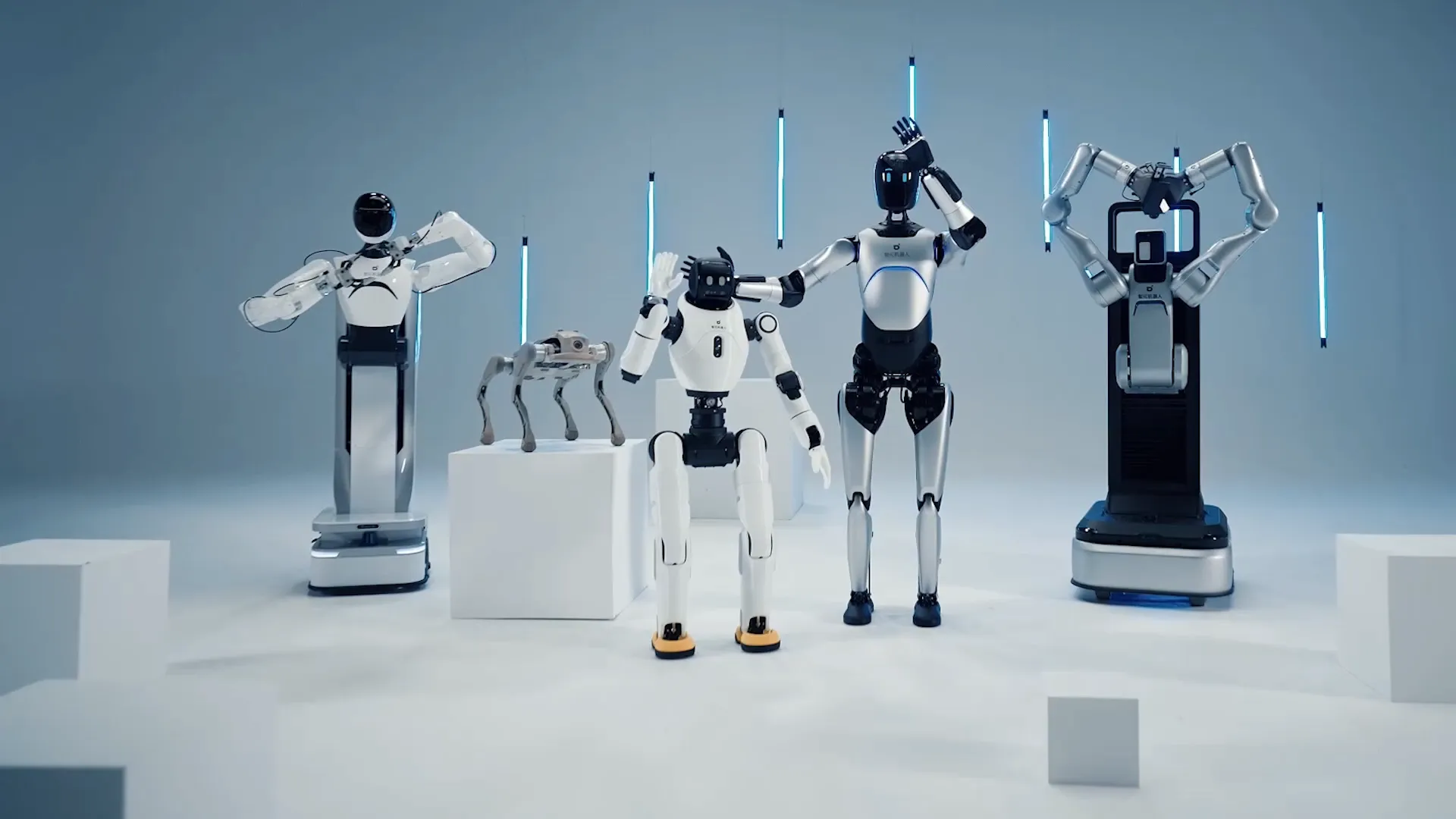

Humanoid robots—machines shaped like humans with limbs, sensors, and increasingly sophisticated artificial intelligence—are rapidly shifting from science fiction to tangible reality. As automation evolves from predictable, highly structured environments to unpredictable, real‑world scenarios, a central question emerges: Are humanoid robots the missing link in flexible automation? This article explores that question from every angle—from historical context and technological breakthroughs to real‑world applications, limitations, and broader economic and social impacts. Our aim is a clear, engaging, and professional deep dive that’s suitable for both industry practitioners and educated general readers.
What is Flexible Automation — and Why Does It Matter?
Traditional automation excels at repetitive, predictable tasks. Think automotive assembly lines: spot welding, part insertion, conveyor‑based production. In these environments, robots can be programmed once to do the same thing again and again with high speed and precision. But this form of automation struggles when the task changes or when the environment isn’t perfectly controlled.
Flexible automation, on the other hand, refers to the ability of machines to adapt to new tasks or environments with minimal reprogramming. It implies:
- Perception of the environment
- Adaptive motion and manipulation
- Higher‑order decision making
- Human‑like versatility
Until recently, industrial robots lacked these features. This gap limits automation’s reach—especially for industries such as logistics, service, healthcare, and unstructured manufacturing where variability is the norm.
This is where humanoid robots potentially enter the picture.
Why Humanoid Robots Are More Than Just Sci‑Fi
Humanoid robots differ from traditional industrial machines and collaborative (“cobot”) arms in key ways:
- Human‑like form factor: limbs, joints, and appendages that mirror human anatomy, enabling them to operate tools and environments designed for humans.
- Integrated perception and control: sensors, vision, and AI systems that combine to perceive complex scenes and make decisions.
- General purpose vs. task‑specific: not programmed solely for one task, but designed to handle a suite of tasks across contexts.
As advanced embodiments of robotics and AI, humanoid robots embody a convergence of technologies—mechanics, sensory systems, machine learning, and autonomous behavior—that together aim to transcend the narrow specialization of earlier machines.
They promise a versatile labor force capable of adapting to unpredictable tasks much like humans do.
Technological Foundations: What Makes Humanoid Robots Tick
To understand whether humanoids are the missing link, we must consider the core technologies that empower them:
1. Perception and Environment Understanding
Modern humanoid robots integrate a range of sensors—cameras, lidar/radar, force/torque sensors, and tactile skins—that allow them to perceive and interpret surroundings. These sensory inputs, combined with advanced AI models, enable:
- Scene interpretation
- Object recognition and tracking
- Predictive planning
This is a departure from the static environments of traditional industrial robots, paving the way for dynamic task adaptation.
2. Motion and Control
Designing an anthropomorphic robot involves solving the complex problem of mobility and manipulation. For example:
- Walking with balance
- Grasping and manipulating objects of varied shapes and materials
- Coordinating multiple joints in real time
These capabilities require breakthroughs in mechanical engineering, control theory, and real‑time computation. While progress has been substantial, motor control and dexterous manipulation remain key challenges.
3. Cognitive AI and Reasoning
Humanoid robots aim to integrate language understanding, task planning, and decision‑making. Some companies are even exploring vision‑language‑action models that allow robots to understand instructions and execute complex sequences without bespoke programming.
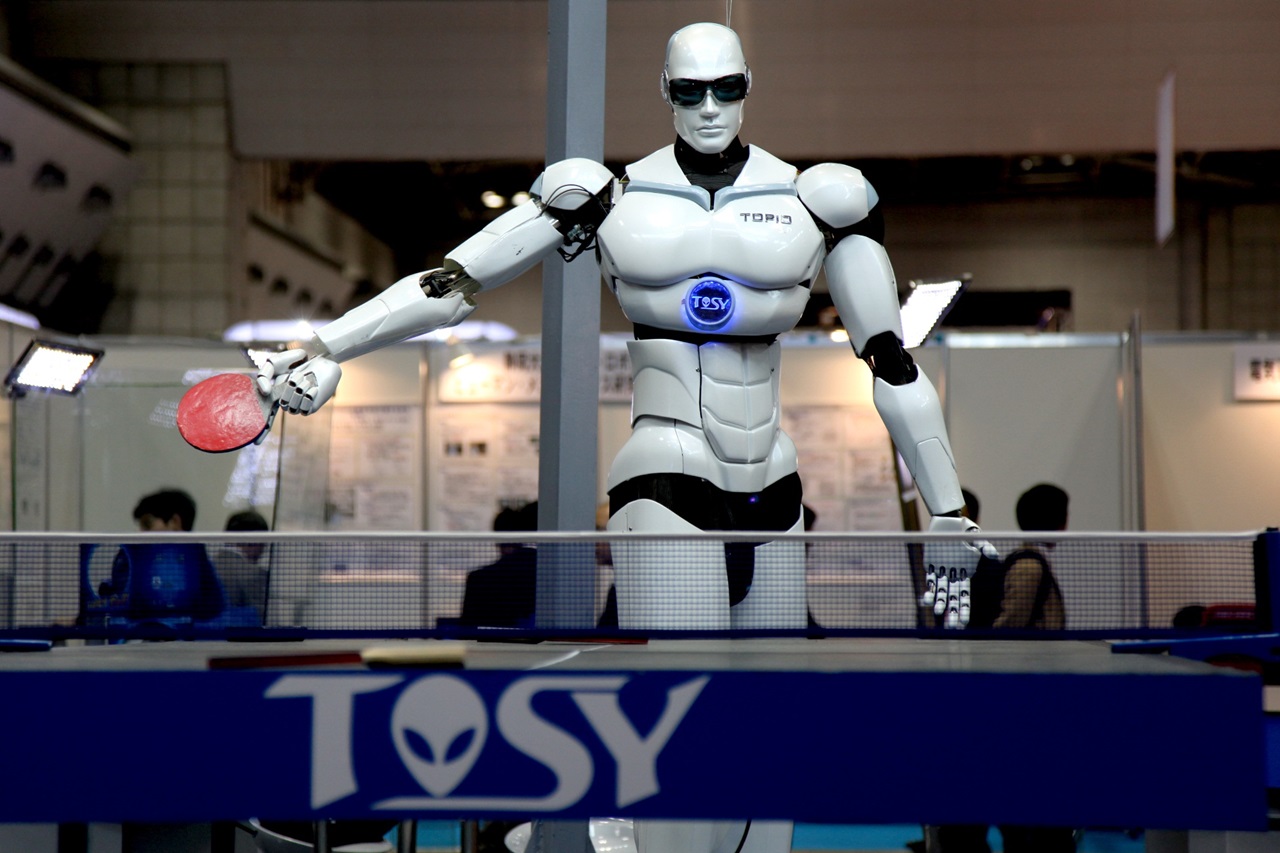
In many ways, humanoid robots are a physical manifestation of embodied AI—intelligence that exists not just in software but in interaction with the physical world.
Real‑World Applications: From Warehouses to Homes
While humanoid robots are still emerging, real‑world applications are already appearing:
Logistics and Manufacturing
Companies like Apptronik are deploying humanoid robots in warehouses to move packages and assist in logistics operations, scaling production capabilities beyond fixed conveyor systems.
Household Assistance
At CES 2026, SwitchBot showcased a humanoid household helper designed to tackle tasks like laundry, cooking prep, and cleaning—functionality that many view as a first step toward general‑purpose home automation.
Advanced Industrial Tasks
In automotive and precision manufacturing, humanoids are being piloted to move between diverse stations and handle part inspection, assembly, and quality control—activities that previously required humans due to flexibility demands.
Commercial and Service Roles
Robots are also being tested as customer assistants, retail staff, and hospitality support, where adaptability and social interaction matter as much as mechanical operation.
Strengths: What Humanoids Bring to Flexible Automation
Based on current research and industry developments, humanoid robots offer several distinctive strengths:
Human‑centric Form Factor
Their human‑like shape makes humanoids uniquely suited to environments built for humans—tools, door handles, ladders, and complex assembly stations all designed around human ergonomics.
Task Versatility
Unlike single‑purpose robots, humanoids can potentially switch between tasks (e.g., logistics in the morning and caregiving in the afternoon) with software updates rather than hardware redesign.
Integration of AI and Robotics
By embedding AI directly into perception and control systems, humanoids offer a level of autonomy unseen in earlier generations of automation.
Future‑proofing
As more industries adopt digital transformation, robots that can learn and adapt will outperform static machines—especially where unpredictable human environments intersect with automation needs.
Challenges: Why We’re Not There Yet
For all their promise, humanoid robots still face significant barriers:
1. Technical Complexity and Cost
Building a reliable humanoid robot is extremely expensive. Precision sensors, high‑torque actuators, and advanced AI stacks don’t come cheap—and cost remains a hurdle for broad deployment.
2. Dexterity and Manipulation
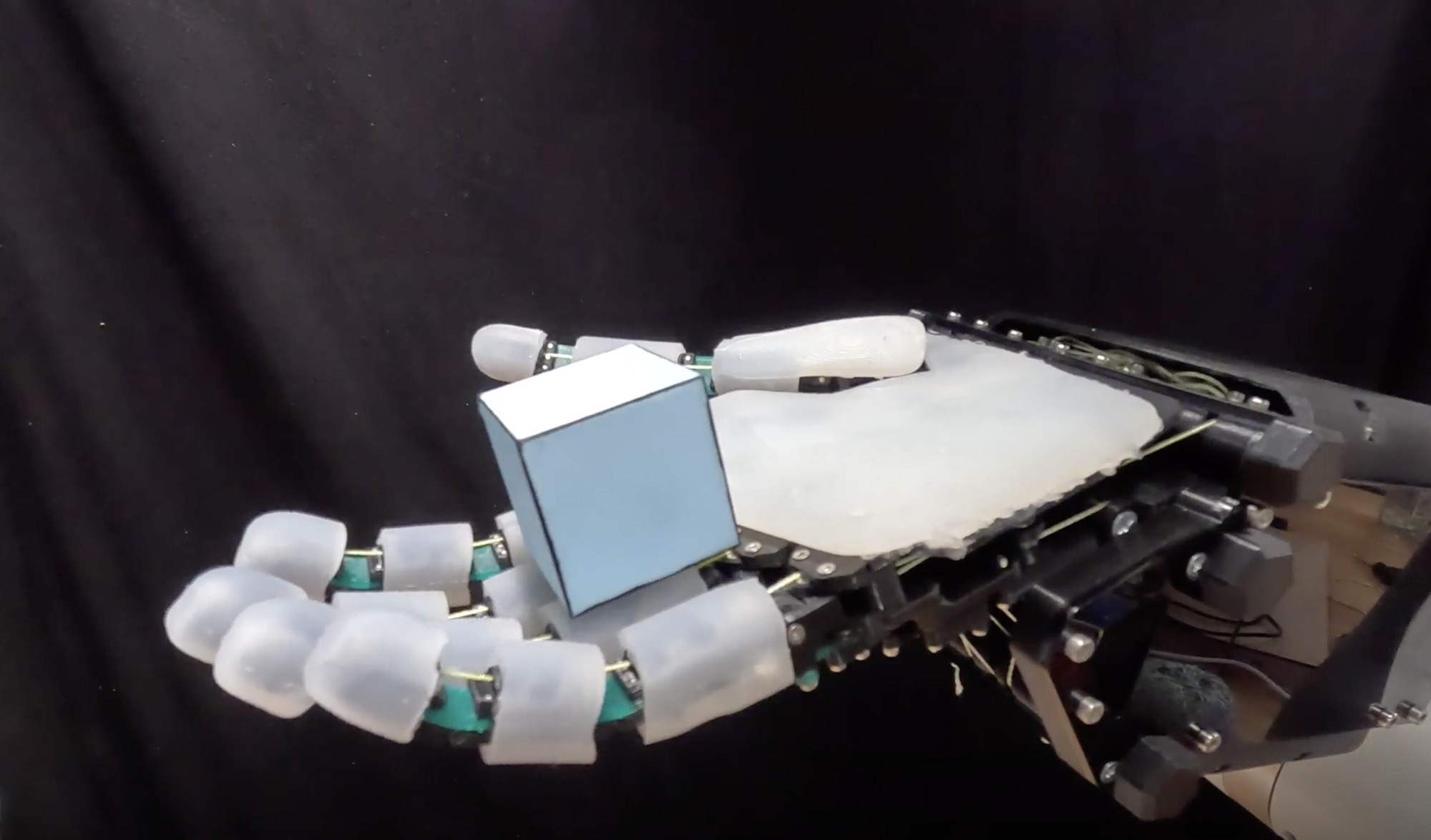
Despite progress, replicating the full range of human hand dexterity remains elusive. This so‑called “hands problem” slows robots’ expansion into tasks requiring fine motor skills.
3. Safety and Trust
Humanoid robots operating closely with humans raise safety concerns. Ensuring safe interaction—especially in unpredictable environments—requires robust sensor interpretation and real‑time risk mitigation strategies.
4. Regulation and Ethics
Autonomous machines raise regulatory concerns around liability, accountability, and privacy—issues that governments are only beginning to address.
5. Public Perception and Adoption
People are inherently cautious about intelligent machines that look like us. Questions about labor displacement, ethical bounds, and social acceptance influence deployment strategies.
Economic Implications: Disruption and Opportunity
Humanoid robots may significantly reshape global labor markets and productivity patterns:
- Increased productivity in logistics, manufacturing, and service sectors as robots handle repeatable and adaptable tasks.
- Job displacement in roles involving middle‑range physical tasks (e.g., warehouse workers, delivery staff).
- New job creation in robot maintenance, programming, and human‑robot collaboration infrastructure.
- Labor cost restructuring as robots shift from capital expenditures to integrated workforce elements.
World economic activity may be transformed by networks of humanoid robots supplementing human labor—with implications for wages, social safety nets, and workforce re‑skilling.
Social and Ethical Considerations
Beyond economics, humanoid robots prompt deep social and ethical questions:
- Responsibility and accountability: Who is liable when a humanoid robot makes a harmful mistake?
- Privacy: Robots with sensors and cameras will gather environmental and personal data—how is that managed?
- Human identity and dignity: As machines mimic human actions more closely, what implications arise for how we view work and personhood?
These questions require careful policy frameworks and societal dialogue.
Are Humanoid Robots the Missing Link?
So, are humanoid robots truly the missing link in flexible automation?
The short answer is: Not entirely—yet.
Humanoid robots are not a panacea, and they are not the only path toward flexible automation. Many automation needs will continue to be met by specialized systems, collaborative robots, and AI enhancements to traditional machines.
But humanoid robots are a strong candidate for bridging the gap between rigid automation and generalized adaptive systems—especially in environments designed for humans and domains demanding flexibility beyond predictable tasks.
They represent a paradigm shift in how automation is conceived: not as fixed installations in controlled settings, but as adaptive workers capable of coexisting with people in dynamic environments.
In that sense, humanoids may not replace current automation, but rather expand automation into areas previously unreachable. Their success will likely come not from replacing humans everywhere, but by augmenting human capabilities where flexibility matters most.