








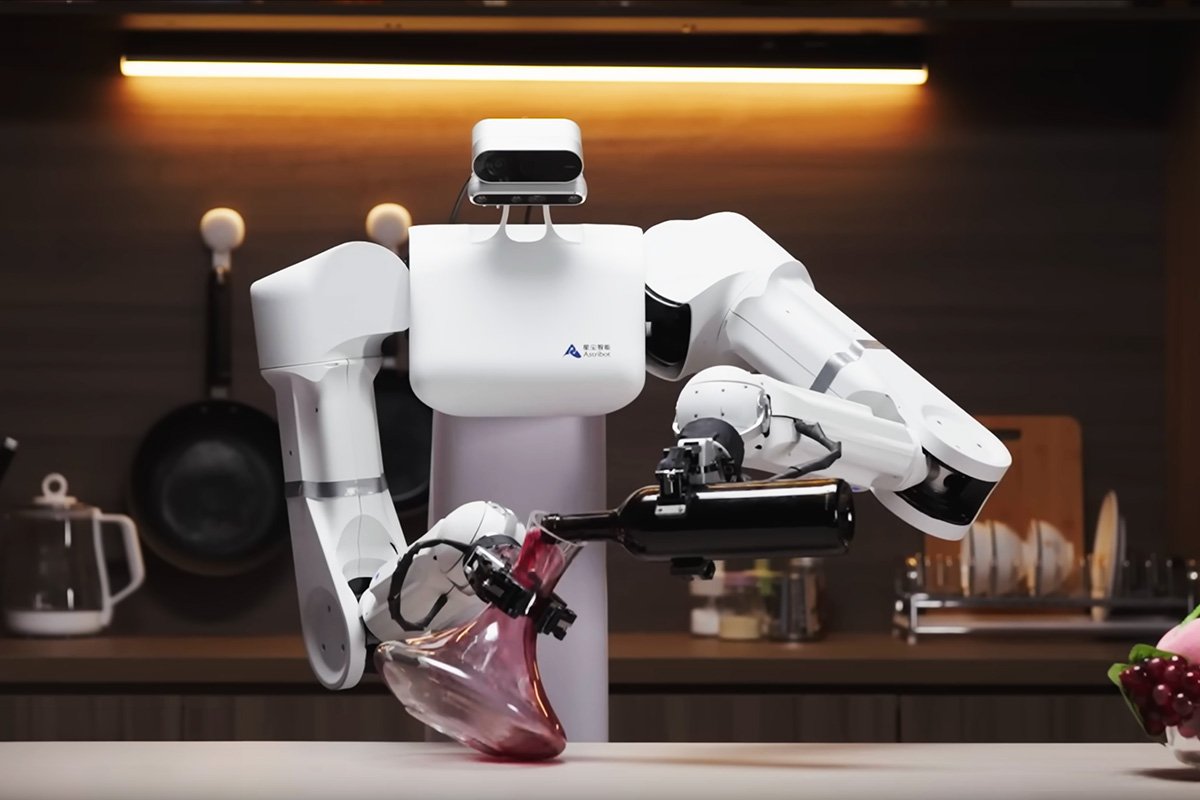

In 2026, the question is no longer if humanoid robots will advance — it’s how quickly they’ll transition from controlled laboratory prototypes to commercially deployed workers, collaborators, and companions. The journey from experimental pilots to real‑world utility has been long, but both technological breakthroughs and practical deployments now signal an inflection point. This article examines the state of humanoid robotics, the hurdles that remain, the opportunities that lie ahead, and whether 2026 will truly mark the breakaway year for humanoid machines.
The Long Road from Demonstration to Deployment
Humanoid robots — machines that resemble human form factors both in appearance and movement — have captured the public imagination for decades. Early visions of humanlike automatons often appeared in science fiction long before technical feasibility emerged. Today, however, the engineering community finds itself at an intersection where AI, sensors, hardware, and autonomy converge to push these machines into environments designed for humans.
Yet there’s a stark difference between demonstration and deployment. A robot that can dance, walk, or lift an object in a controlled, tethered environment still falls far short of one that can autonomously and reliably carry out useful tasks in factories, warehouses, healthcare facilities, or homes.
In 2025 and 2026, we’ve seen thousands of humanoids manufactured — but mostly in pilot programs or limited trials. These deployments are essential for data collection, performance benchmarking, and iterative refinement. What’s unclear to many outside robotics labs is how efficiently these systems operate compared to humans in complex environments. Recent reports from robotics producers indicate that their humanoids still operate at only roughly 30–50% of human efficiency, even on basic, preprogrammed tasks like stacking or quality control.
Despite this conservative performance, the significance of moving from static demos to operational testing should not be underestimated. It heralds an era where robots are judged for utility, not just spectacle.
Why 2026 Is a Pivotal Year
Multiple industry analysts, research groups, and investors now consider 2026 a threshold year — not because fully autonomous humanoids will suddenly be everywhere, but because the transition from pure piloting to early operational roles is accelerating.
Market forecasts show that the global humanoid robotics market could reach tens of billions of dollars by the end of the decade, with substantial growth starting around 2026.
Several factors fuel this momentum:
1. Technological Convergence
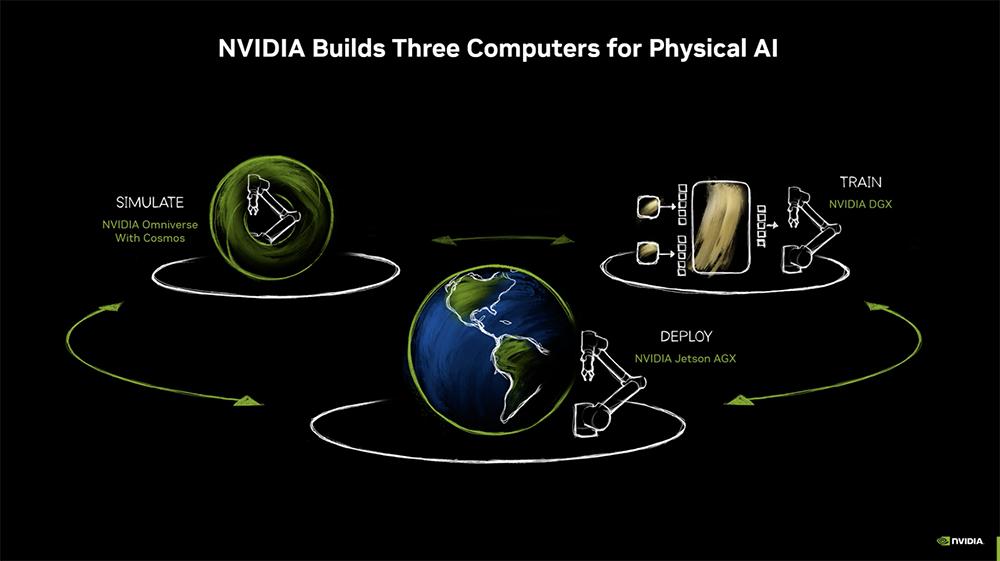
Humanoid robots rely on integrated progress across multiple fronts:
- Perception systems for understanding complex physical environments;
- AI and machine learning to make decisions from sensory input;
- Mechanical engineering enabling humanoid motion, balance, and manipulation;
- Power systems and actuators capable of sustained activity.
Recent academic research points toward new control paradigms — such as behavior foundation models — to manage whole‑body movements with pre‑trained general behaviors. These frameworks aim to reduce the need for task‑specific retraining, enabling robots to adapt quickly to new situations.
Other studies highlight entirely new locomotion strategies where robots use arms as well as legs to navigate complex terrain, moving beyond traditional bipedal design constraints.
2. Capital Infusion and Commercial Confidence
Humanoid robotics is no longer confined to academic institutions and tech demos. Across the world, billions of dollars in investment have flowed into companies building these systems — from well‑known firms like Tesla and Boston Dynamics to startups with specialized AI‑powered platforms.
These investments reflect growing confidence that humanoid robots can eventually deliver meaningful economic value — especially in sectors plagued by labor shortages (manufacturing, logistics, eldercare, etc.). The reasoning is straightforward: if a humanoid can operate 24/7 in human environments, even at slightly below human efficiency, its net productivity gains can be significant.
Analysts also project future cost declines. Early models were priced far beyond what most companies could justify for non‑critical tasks; cheaper variants and economies of scale may change that calculus by mid‑decade.
3. Demonstrations Translating into Real‑World Tests
In 2025 and early 2026, many humanoid robots moved into field tests. For example, partnerships between robotics developers and industrial manufacturers are underway, with robots being trialed for assembly, material handling, and inspection tasks. Such real‑world feedback is invaluable both for engineering improvement and for building business cases.
One high‑visibility trend is the integration of advanced AI systems with robot hardware. A notable example is the partnership between Google DeepMind’s Multimodal AI models and Boston Dynamics’ Atlas platform: this aims to provide better perception and adaptive behavior for unexpected tasks on factory floors.
The Challenges That Still Limit Full Adoption
Despite the momentum, several fundamental challenges continue to limit humanoids’ transition from pilots to widespread deployment.
Technical Limitations
Even the most advanced humanoids today struggle in:
- Dexterity: Manipulating small, irregular, or delicate objects remains hard.
- Power autonomy: Batteries still limit operational duration and force output.
- Adaptation: Robots struggle with environments that aren’t highly structured or predictable.
Many current demonstrations rely on remote control or semi‑autonomous behavior, not true independently adaptive intelligence — a concern sometimes highlighted when demos are mistaken for autonomous performance.
Also, while machine learning has delivered impressive perceptual capabilities, it’s less mature when it comes to embodied autonomy — the ability of a robot to integrate vision, planning, and action in real time with safety guarantees.
Social, Economic, and Labor Challenges
Humanoid robots do not operate in a vacuum. Their adoption intersects with sensitive issues:
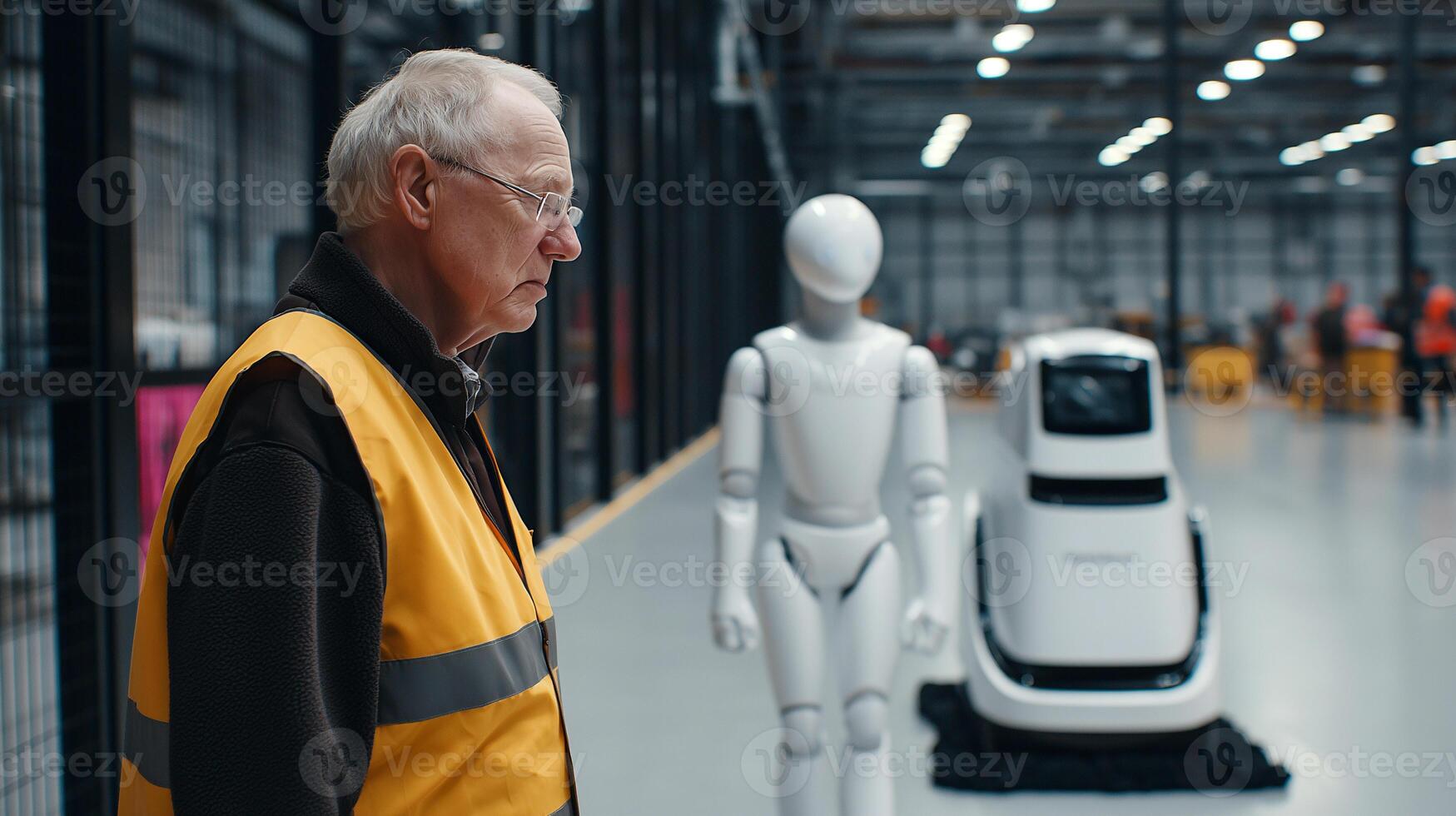
- Labor displacement fears: Unions and worker groups have pushed back against rapid automation plans, especially in manufacturing environments where robots could replace human jobs.
- Regulatory and safety frameworks: Governments lag industry in constructing regulations tailored to humanoid robot use, particularly in mixed human–robot environments.
- Public trust: People may resist or distrust robots in caregiving, education, or social roles until reliability and safety are demonstrated over long periods.
Cybersecurity and Privacy
As robots become more connected, concerns about data security and privacy escalate. Recent academic work shows that humanoid robots present unique cybersecurity vectors — from telemetry leakage to potential exploitation if not properly secured.
Realistic Timelines: From 2026 to 2030
So, where might humanoid robots be in a few years?
- Near term (2026–2027): Expect broader pilot programs, larger field trials, and the beginning of targeted commercial use cases — especially in structured industrial environments and specialized service roles (warehouse logistics, repetitive material handling).
- Mid term (2028–2030): Robots may become standardized tools for a subset of tasks where their humanlike form factor offers utility — for instance, environments built for humans where traditional automation cannot operate effectively.
- Long term (2030s and beyond): Only after iterative improvement, cost reduction, and regulatory maturity will humanoids potentially enter broader roles in homes, caregiving, and general service sectors.
Why the Future Doesn’t Look Like Sci‑Fi — Yet
Popular culture often imagines humanoid robots as fully autonomous companions or sentient AI — but that’s a separate axis from functional autonomy. In 2026, the emphasis remains on purpose‑built autonomy: robots that can perform constrained classes of tasks with predictability and safety.
This distinction matters: a robot need not be sentient to be useful. The evolution of humanoid robotics will likely be measured in incremental expansions of capability, domain specialization, and contextual understanding rather than sudden leaps to general intelligence.
Moreover, even as AI systems grow more capable, their integration into hardware platforms is nontrivial. Perception, control, balance, and manipulation in unstructured human environments remain some of the hardest problems in robotics.
Conclusion: Beyond Pilots, But Not “Done”
So, can humanoids evolve beyond experimental pilots in 2026?
Yes — but not in the headline‑grabbing, household‑butler sense. What we are likely to see in 2026 is a clear shift from isolated demos to meaningful commercial and industrial trials, broader data‑driven system refinement, and the birth of early adoption markets where humanoids add real economic value.
However, mainstream use — robots working autonomously alongside humans in unstructured settings like homes and public spaces — remains a future horizon that will require continued innovation, careful regulation, and societal adaptation.
Humanoid robots are no longer science fiction curiosities. In 2026, they stand at the cusp of their first substantive era of real‑world productivity — one that will shape the next decade of work, services, and human–machine collaboration.