








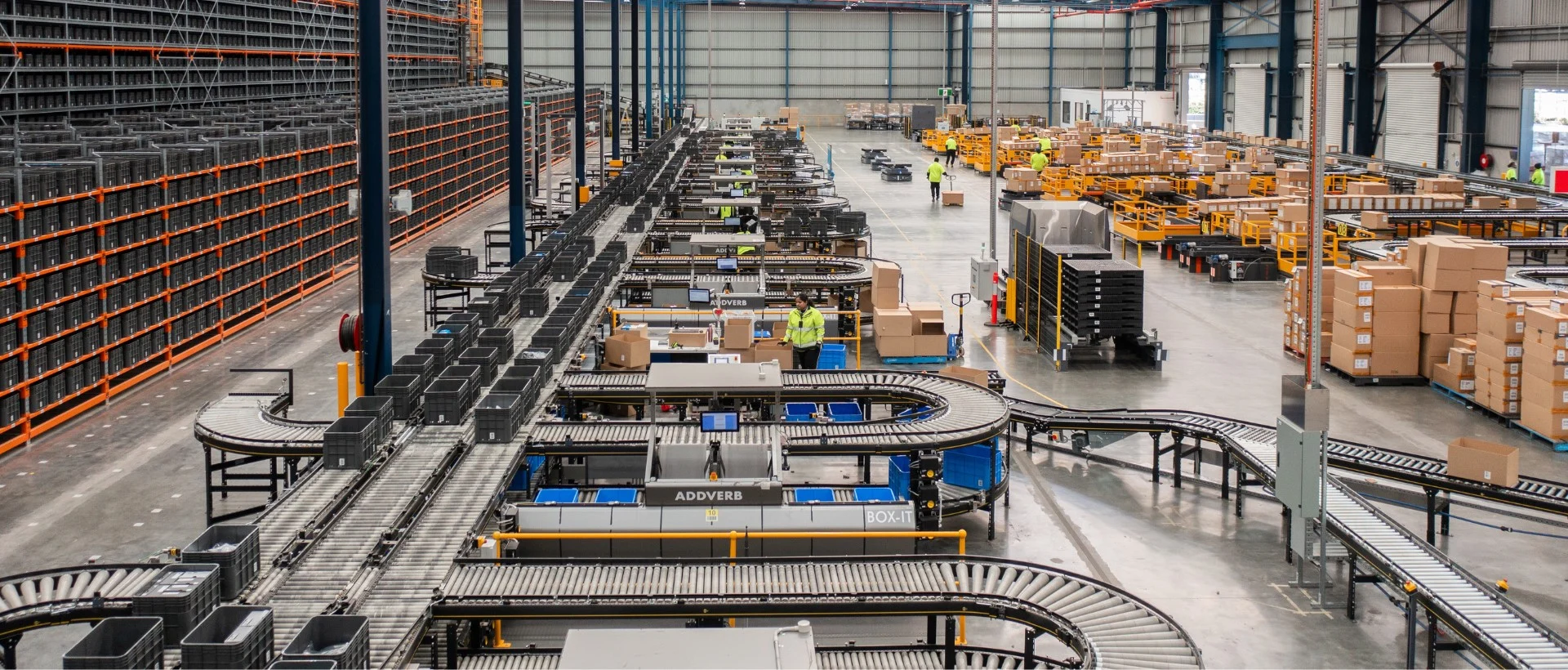

In today’s world, the logistics industry is undergoing a radical transformation. The expansion of e-commerce, the rise of global trade, and the constant demand for faster, more efficient supply chains have forced companies to explore cutting-edge technologies to stay ahead of the curve. Among the most promising innovations are humanoid robots—digit humanoids, to be precise. These robots, designed to mimic human actions and functions, are becoming increasingly sophisticated, raising an essential question: Can digit humanoids scale across large logistics networks?
Let’s dive into this question by exploring how digit humanoids are poised to change the logistics landscape, their current capabilities, and the challenges they must overcome to succeed at a global scale.
The Rise of Digit Humanoids
Digit humanoids are robots designed to perform tasks that require human-like dexterity, flexibility, and decision-making. Unlike traditional industrial robots, which are usually fixed in a specific position and focus on repetitive tasks, humanoids are designed to adapt to a variety of situations. They can handle objects, navigate complex environments, and even interact with human workers. This versatility makes them ideal candidates for logistics operations that require agility and adaptability.
A significant aspect of humanoid robots is their ability to integrate seamlessly into existing infrastructures. For example, they can work alongside human workers, complementing their efforts in warehouses, sorting facilities, and even last-mile delivery. Their ability to operate in diverse settings, such as in offices, factories, and storage spaces, gives them a unique advantage over other forms of automation.
Key Benefits of Digit Humanoids in Logistics
- Flexibility and Adaptability:
Unlike conventional robots that are limited by pre-programmed tasks, digit humanoids are designed to learn and adapt to different environments. In logistics, this means they can handle various products of different sizes and weights, making them more adaptable than other automation systems that might struggle with diverse inventory. - Increased Efficiency and Productivity:
Humanoids can work around the clock without breaks, increasing productivity. Their precision in tasks such as sorting, picking, packing, and even managing inventory can drastically reduce human error and speed up operations. With faster processing times, companies can meet the ever-growing demands of customers, delivering goods more quickly and efficiently. - Enhanced Worker Safety:
One of the critical concerns in logistics is worker safety, especially in warehouses where manual labor and heavy lifting are common. Digit humanoids can take over dangerous tasks, such as moving heavy objects or operating in hazardous environments, reducing the risk of accidents and injuries for human employees. - Cost Reduction Over Time:
While the initial investment in humanoid technology may be high, over time, the automation of routine tasks can lead to significant cost savings. Companies can reduce labor costs and rely on humanoids to perform repetitive tasks with greater speed and accuracy.

Scaling Digit Humanoids Across Large Networks
The question of whether digit humanoids can scale across large logistics networks involves addressing several factors: integration, cost-effectiveness, technological reliability, and the ability to handle complex tasks in a dynamic environment.
- Integration with Existing Systems:
Scaling humanoids requires seamless integration with current logistics infrastructure, including inventory management software, automated storage systems, and other robots or automated machinery. This is not a trivial task. Logistics networks are already complex, and introducing humanoids into the system means that their actions must be coordinated with those of other machines and human workers. This requires sophisticated communication systems, artificial intelligence, and machine learning algorithms to ensure that humanoids can operate efficiently within the larger framework. - Cost and Return on Investment (ROI):
While the operational benefits are clear, the high initial costs of humanoid robots remain a significant barrier. This includes not only the price of the robots themselves but also the associated costs of software, infrastructure adjustments, and training. However, as technology matures and mass production lowers prices, the ROI for humanoids in logistics will become more attractive. Companies will have to calculate long-term savings on labor, reduced errors, and improved efficiency to justify the initial investment. - Technological Reliability and Maintenance:
Large-scale implementation of humanoids requires systems that are reliable and can function in various environments with minimal downtime. Humanoids must be able to perform tasks autonomously without requiring constant human intervention. In addition, like any other robotic system, humanoids need regular maintenance and updates to ensure they continue functioning at peak performance. Overcoming these hurdles is crucial for scaling humanoids effectively across a logistics network. - Handling Complexity:
Logistics networks are dynamic and often unpredictable. Human workers can adapt quickly to sudden changes in the flow of goods, new orders, or unexpected obstacles. Digit humanoids, though advanced, still struggle to handle certain complexities that require human judgment, such as navigating uncharted areas, making decisions based on limited information, or adjusting to unexpected changes in task requirements. However, as machine learning and AI improve, humanoids will become increasingly adept at these kinds of tasks. - Collaboration Between Humans and Robots:
A key factor in scaling humanoid robots is ensuring that they can work alongside human employees. The goal is not to replace human workers but to enhance their capabilities. Humanoids can take on tasks that are physically demanding or hazardous, while human workers can focus on more complex tasks that require creative thinking or human judgment. This synergy between humans and robots will be critical to scaling humanoid robots in large logistics networks.

The Challenges of Scaling Humanoids
Although the potential of digit humanoids in logistics is vast, there are several challenges that must be addressed to make large-scale deployment a reality.
- Technological Limitations:
While humanoids have made significant strides in recent years, there are still limitations in their technological capabilities. Current humanoid robots may struggle with tasks such as manipulating delicate items, making sense of ambiguous signals, or dealing with unusual situations. Further advancements in AI, machine learning, and sensory technologies will be needed to enable humanoids to perform at the level of human workers in these areas. - Regulatory and Ethical Concerns:
As humanoids take on more roles in logistics, questions surrounding their regulation and ethical implications will come to the forefront. What rights do humanoid robots have? Can they be held accountable for mistakes? How will the use of humanoids impact the job market and worker rights? These are critical questions that need to be addressed as humanoid robots become more integrated into society. - Human Resistance to Automation:
Another challenge is the resistance from human workers and society at large to automation. While many are optimistic about the potential of robots, others are concerned about job displacement and the loss of human touch in customer service. Addressing these concerns through transparency, education, and collaboration will be key to gaining public trust and acceptance of humanoid robots in logistics.
The Future of Digit Humanoids in Logistics
The future of digit humanoids in logistics is bright, but there is much to be done before large-scale deployment becomes a reality. Humanoids will likely be deployed in highly automated logistics hubs, working alongside other forms of automation and human workers to create more efficient and safer supply chains.
As the technology advances, we will likely see a greater diversity of humanoids, each designed for specific tasks within the logistics network. These specialized humanoids may be able to work in warehouses, assist with last-mile delivery, or even navigate customer service functions. With continuous improvements in AI, sensors, and learning algorithms, humanoids will become more adept at performing complex tasks, making them indispensable to the logistics industry.
Conclusion
Digit humanoids are not just a futuristic concept; they are the next evolution of automation in logistics. While scaling them across large networks presents challenges in integration, cost, and technological reliability, the benefits are clear. Increased efficiency, reduced costs, and enhanced safety will make humanoids an essential part of the logistics ecosystem. With the continued development of AI and robotics, digit humanoids will become more capable and adaptable, enabling companies to streamline their operations and meet the demands of a rapidly changing global market. The future is bright for humanoid robots, and their role in logistics is only just beginning.