








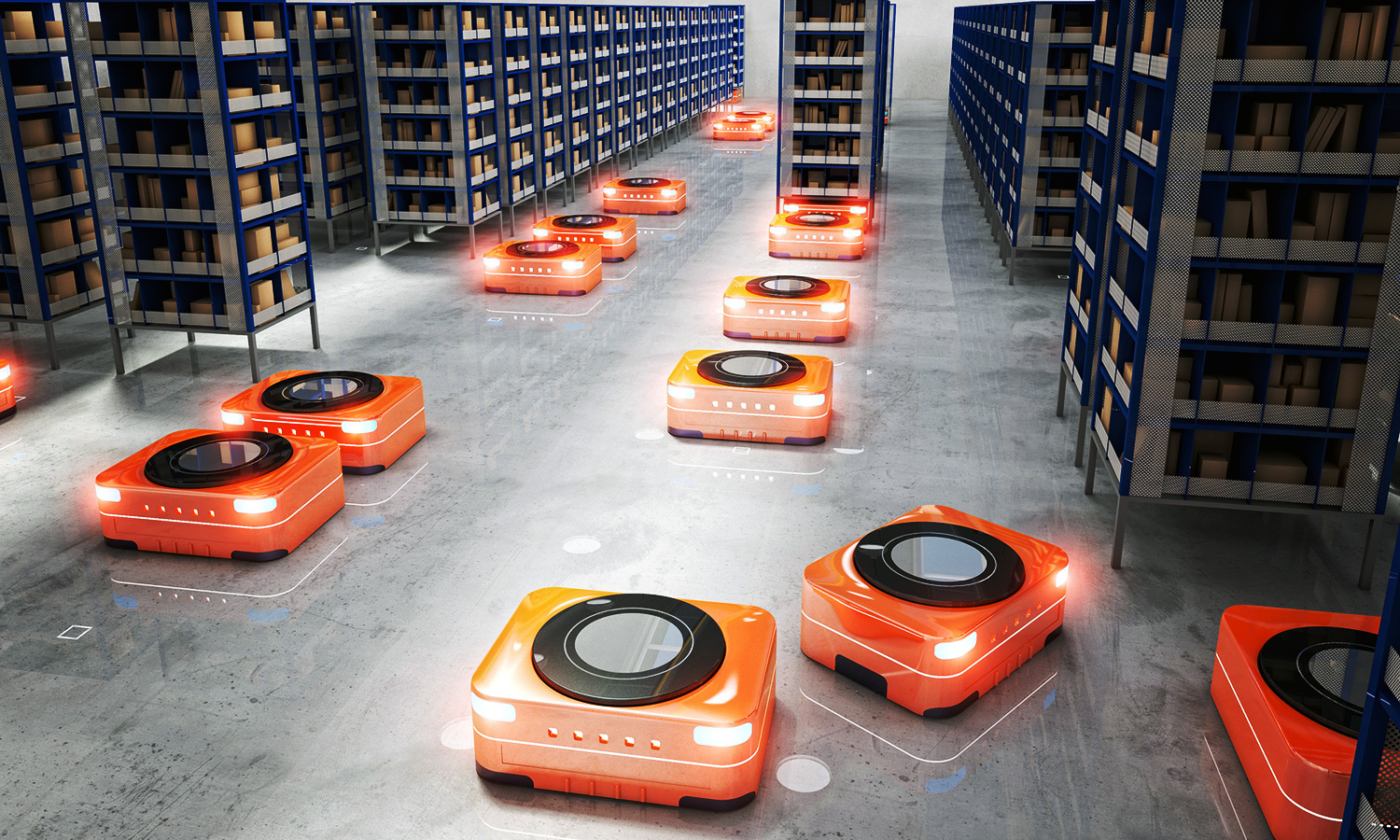

The evolution of warehouse operations has reached a turning point. With the surge in e-commerce and the growing demand for faster delivery times, companies are constantly searching for ways to optimize their logistics and reduce operational costs. One of the most promising advancements in this area is the use of humanoid robots—machines that mimic human actions and can perform a wide range of tasks in a warehouse setting.
But can humanoids truly reduce warehouse labor costs within just 12 months? To answer this question, we need to dive into the capabilities, challenges, and real-world applications of humanoid robots in warehousing and logistics. In this article, we will explore how humanoids are transforming the industry, the potential savings they offer, and the obstacles that companies must overcome to make them a viable option for labor cost reduction.
The Rise of Humanoid Robots in Warehousing
Over the past few years, robots have already revolutionized the logistics sector. Autonomous mobile robots (AMRs), robotic arms, and conveyor systems have significantly improved efficiency in sorting, picking, and packaging. However, humanoid robots—designed to operate like humans—take this transformation a step further.
Humanoid robots are equipped with advanced sensors, artificial intelligence (AI), and machine learning algorithms that allow them to adapt to complex environments and perform intricate tasks. These robots are built with dexterous hands, sophisticated vision systems, and the ability to navigate dynamic warehouse settings just as human workers do. In contrast to traditional robotic systems, humanoids can handle a broader range of tasks with flexibility, improving operational efficiency.
The true potential of humanoid robots lies in their ability to perform tasks that were once thought to be too complex or delicate for machines. From managing inventory to picking and packing products, humanoids are increasingly being tested for warehouse labor applications.
How Humanoids Can Reduce Labor Costs
Reducing labor costs is the primary motivation behind adopting humanoid robots in warehouse operations. Here’s how they can contribute to cost savings within 12 months:
1. Automation of Repetitive Tasks
Humanoids can automate many repetitive and mundane tasks that would typically require human labor. Tasks like order picking, sorting, packaging, and stacking are time-consuming and labor-intensive. By taking over these roles, humanoid robots can not only reduce the need for human workers but also increase the speed and accuracy of these operations.
For example, robots can work around the clock without needing breaks or rest, leading to a significant reduction in labor costs. These robots also have the potential to make fewer errors than humans, which reduces the costs associated with mistakes like incorrect orders or damaged products.
2. Improved Efficiency and Speed
Humanoids have the ability to perform tasks at a faster rate than humans. While human workers can only pick a certain number of items per hour, humanoid robots, with their precision and tireless nature, can perform tasks much faster and with greater consistency. This speed increase can directly lead to cost savings in the form of faster order fulfillment, reducing the need for additional workforce shifts or overtime.
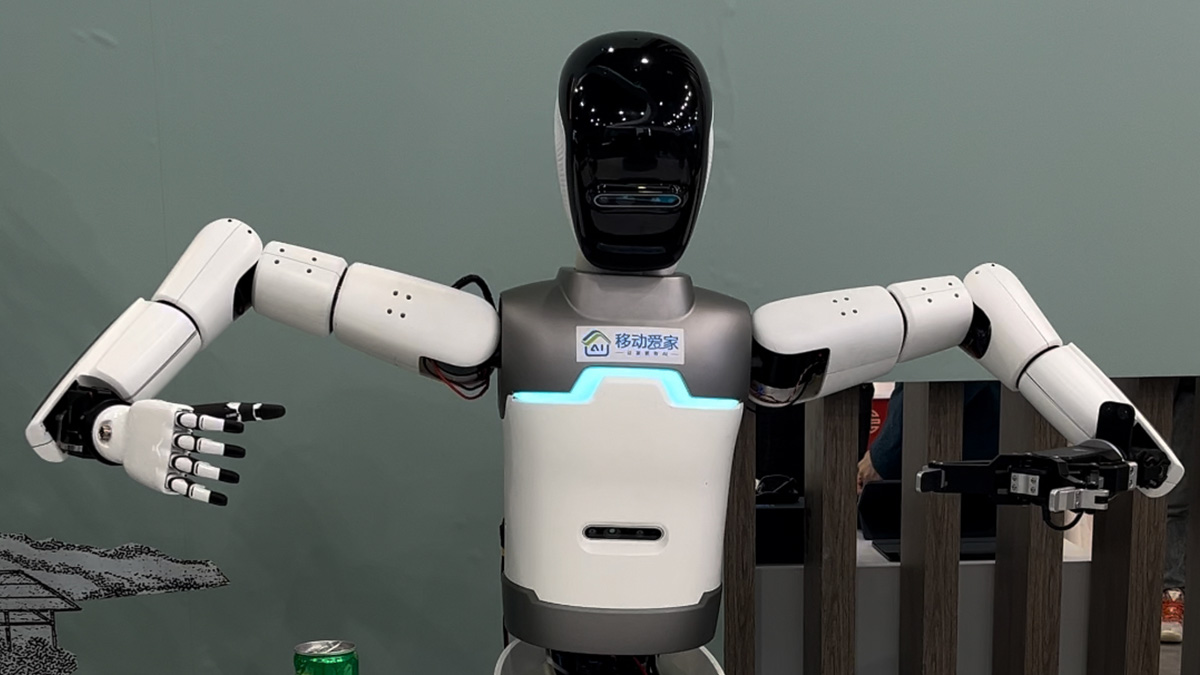
In a warehouse environment, time is of the essence. The quicker an order can be processed, the quicker it can be shipped out, leading to reduced inventory holding costs and faster delivery times. Humanoid robots can help ensure this level of speed and precision.
3. Reduced Labor Turnover and Recruitment Costs
Labor turnover is a persistent challenge in warehouse operations. High turnover rates can lead to increased recruitment, training, and onboarding costs. Humanoids, on the other hand, are reliable and don’t require continuous recruitment efforts. They can work consistently without experiencing burnout, providing a stable and dependable workforce.
Additionally, humanoids do not need to be trained in the traditional sense. With the right programming and machine learning, humanoids can quickly learn new tasks and adapt to changing conditions. This reduces the costs associated with workforce training and skill development.
4. Minimizing Workplace Injuries
Warehouses can be hazardous environments for human workers, with risks like heavy lifting, repetitive motion, and the operation of large machinery. These dangers often result in workplace injuries, which come with a significant financial cost due to medical bills, workers’ compensation, and lost productivity. Humanoid robots can perform physically demanding and risky tasks, thus reducing the potential for human injury and the associated costs.
Moreover, robots can be programmed to perform tasks that humans may find ergonomically challenging, such as lifting heavy objects or working in awkward positions. This can not only save on workers’ compensation but also contribute to overall workforce well-being.
5. Scalability and Flexibility
One of the key advantages of humanoid robots is their scalability. Warehouse operations often face fluctuations in demand, particularly during peak seasons like holidays. With humanoids, companies can quickly scale up or scale down their workforce based on seasonal requirements. Unlike hiring additional human workers, which comes with onboarding and training time, humanoid robots can be deployed quickly and cost-effectively to meet demand spikes.
Additionally, humanoid robots are adaptable to various tasks. A robot that performs inventory management in one area of the warehouse can easily be reprogrammed to handle packaging or sorting tasks in another area. This flexibility means that robots can be moved between tasks as needed, further optimizing labor usage and reducing downtime.
The Challenges of Implementing Humanoids in Warehousing
Despite the significant potential for cost reduction, implementing humanoid robots in warehouse environments presents several challenges:
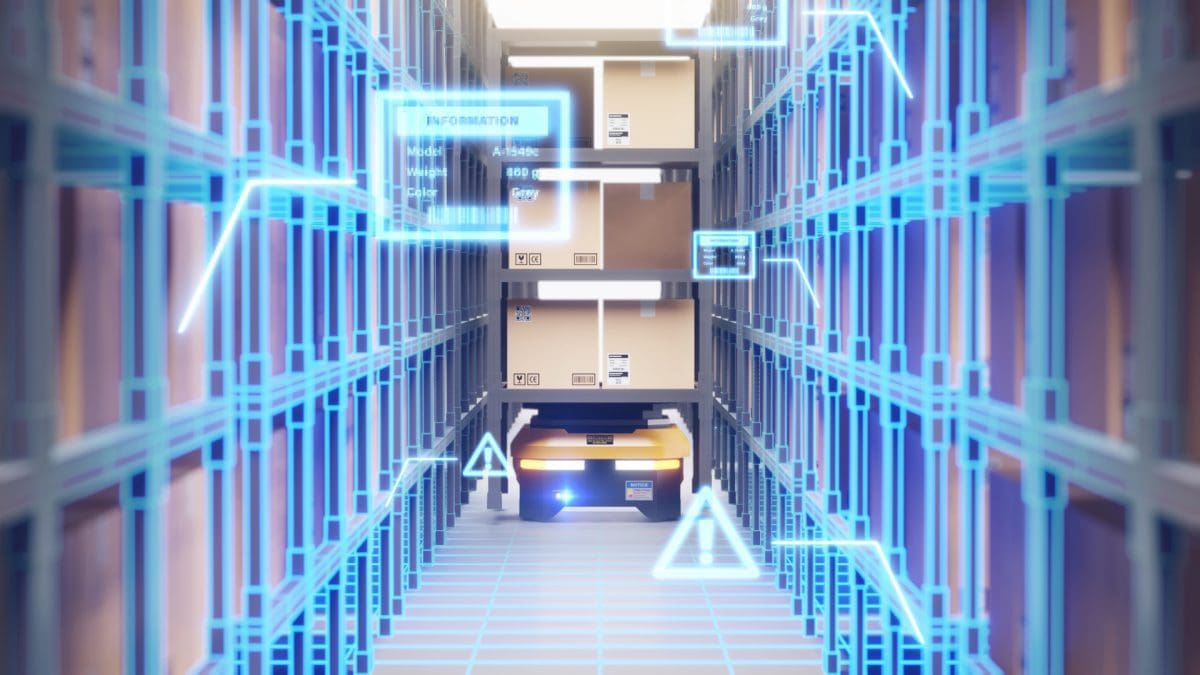
1. High Initial Investment
The upfront costs of acquiring humanoid robots can be substantial. While the long-term savings may outweigh the initial investment, companies must be prepared for the costs of research and development, deployment, and integration with existing systems. For many businesses, the capital required for humanoid robots may be a significant barrier to entry.
Moreover, maintaining and servicing humanoid robots requires specialized knowledge and technicians, adding additional costs to the implementation process.
2. Integration with Existing Systems
Warehouse environments are often complex, with various types of machinery and processes in place. Integrating humanoid robots into these existing systems can be challenging. The robots must be able to interact seamlessly with other automation systems, such as conveyor belts, barcode scanners, and warehouse management software. This integration process can take time and may require significant adjustments to the existing workflows.
3. Technical Limitations
Although humanoid robots are advancing rapidly, they still face limitations. For example, robots may struggle with tasks that require a high degree of dexterity or fine motor skills, such as handling fragile items or picking up products in irregular shapes. While humanoid robots are capable of performing many tasks, their performance may still lag behind human workers in certain areas, especially when dealing with complex, non-repetitive tasks.
4. Safety and Reliability
Humanoid robots are still developing, and their safety and reliability are crucial concerns. A malfunctioning robot in a busy warehouse can pose safety risks for both human workers and other robots. Ensuring that humanoids are equipped with the necessary fail-safes and safety protocols is essential to maintaining a safe working environment. Additionally, a system for monitoring robot performance and preventing breakdowns is necessary to avoid costly downtime.
Real-World Examples of Humanoids in Warehousing
Some companies have already begun deploying humanoid robots in their warehouses with promising results:
- Toyota Engineering Society: Toyota’s humanoid robot, “CUE,” has been tested in warehouses and has shown the ability to perform a range of tasks such as sorting and organizing packages. The robot has been successful in reducing human labor costs in controlled environments, and Toyota plans to further improve its humanoid robots for industrial use.
- Agility Robotics: This startup has developed a humanoid robot called “Cassie,” which is designed to walk and perform various warehouse tasks. Although still in its early stages, Cassie has the potential to revolutionize the logistics sector by reducing human labor in dangerous or repetitive roles.
- SoftBank Robotics: The company’s humanoid robot, “Pepper,” has been deployed in various retail and warehouse environments to assist with customer service and logistics tasks. Though Pepper is not yet a fully autonomous worker in warehouses, it demonstrates the potential of humanoid robots to perform a variety of functions that can reduce labor costs.
Conclusion
Humanoid robots have the potential to significantly reduce warehouse labor costs within a 12-month timeframe. Through automation, improved efficiency, reduction in turnover, and better safety, humanoid robots can offer considerable financial savings to companies. However, the high initial investment, integration challenges, and technical limitations must be carefully considered before fully adopting humanoid robots in warehousing operations.
For companies willing to make the investment and navigate these challenges, the reward could be a more efficient, cost-effective, and future-proof warehouse. As technology advances, humanoid robots may become an indispensable part of the logistics ecosystem, ushering in a new era of automation and transforming how businesses operate.