










The integration of robotics and artificial intelligence (AI) into healthcare environments has gained substantial attention in recent years, not only for its potential to improve efficiency but also for its promise in enhancing patient care. One particular application that is increasingly being discussed is the use of humanoid robots to autonomously deliver supplies within hospitals. Imagine a robot cruising down hospital corridors, efficiently transporting medications, medical equipment, or even patient documents, all while avoiding obstacles and ensuring safety. But how feasible is this? Can humanoids really step into the role of delivery agents within hospitals, and if so, what does this mean for the future of healthcare?
In this article, we’ll explore the potential, the challenges, and the innovations surrounding the idea of humanoid robots autonomously delivering supplies in hospitals. We will also examine the technical, ethical, and operational aspects involved in bringing this concept to life.
The Rise of Robotics in Healthcare
The use of robotics in healthcare is not a new phenomenon. From surgical robots to robotic exoskeletons for mobility assistance, the healthcare industry has been experimenting with robotic systems for decades. However, the deployment of humanoid robots in everyday hospital operations, particularly for autonomous tasks such as supply delivery, represents a significant leap forward in both technology and application.
Humanoid robots, designed to look and move like humans, are now being refined to take on more practical roles within healthcare settings. These robots are equipped with advanced sensors, cameras, and AI algorithms that allow them to navigate dynamic environments with increasing precision. This could make them ideal candidates for performing hospital-based tasks like delivering medications, documents, lab samples, and other essential supplies.
What Makes Humanoid Robots Ideal for Hospital Deliveries?

- Efficiency and Precision
One of the most compelling arguments for using humanoids in supply delivery is their efficiency. Hospital corridors can be congested, with medical staff, patients, and visitors moving through them regularly. Humanoid robots, equipped with sophisticated navigation systems, can optimize their paths to avoid collisions, stay within safe speed limits, and deliver supplies on time. In hospitals where every minute counts, robotic delivery can reduce wait times and free up healthcare professionals to focus on their core tasks. - 24/7 Availability
Hospitals operate around the clock, and the need for supplies—whether for a patient, a procedure, or an emergency—doesn’t cease after hours. Unlike human staff, humanoid robots don’t need breaks, and they can work around the clock without fatigue, ensuring that supplies are delivered at any time of day or night. - Cost-Effectiveness
Over time, the deployment of humanoid robots for delivery tasks could lead to significant cost savings. Hospitals could reduce the need for human labor in non-critical tasks like supply delivery, which would free up resources to be used in more complex or urgent areas of care. Additionally, robots could minimize human errors, such as delivering supplies to the wrong department or patient, thus reducing waste and improving accuracy. - Patient Safety
Humanoid robots can be programmed to follow strict hygiene and safety protocols, reducing the risk of contamination when delivering medications or medical equipment. By automating the transportation of supplies, they also help reduce the physical strain on human staff, who would otherwise need to carry heavy loads, preventing injuries and improving overall hospital safety.
Key Technological Innovations Behind Autonomous Delivery
The technology driving humanoid robots to operate autonomously within hospitals is rapidly evolving. Several cutting-edge innovations play a pivotal role in making these robots practical for real-world use.
- Advanced Sensors and Computer Vision
Sensors such as LiDAR (Light Detection and Ranging), infrared cameras, and ultrasonic sensors help robots “see” and understand their surroundings. Computer vision algorithms enable them to recognize obstacles, navigate through doorways, avoid people, and even identify specific locations within a hospital. For example, the robot may need to deliver supplies to the cardiology department or emergency room, and with sophisticated location tracking, the humanoid can autonomously find its way there. - Artificial Intelligence and Machine Learning
AI and machine learning algorithms allow humanoid robots to adapt to dynamic environments. Through continuous learning, these robots can improve their performance over time. For instance, they might learn to adjust their speed based on the traffic patterns within the hospital or optimize their paths to avoid areas that are temporarily blocked. - Connectivity and Cloud Computing
Autonomous humanoid robots can be connected to hospital systems through cloud computing platforms, allowing for real-time tracking of deliveries and updates on supply levels. Hospitals can monitor the robots’ performance, schedule deliveries, and ensure that all tasks are completed as needed. This connectivity also ensures that humanoids can receive software updates and troubleshooting support remotely. - Human-Robot Interaction (HRI) Technology
For humanoid robots to be truly useful in a healthcare setting, they need to interact with humans in a way that is intuitive and seamless. This involves sophisticated HRI technology, which allows robots to communicate with staff and patients through voice commands, touchscreens, or even facial expressions. For instance, a patient or nurse could verbally instruct the robot to take supplies to another floor, making it easy for non-technical personnel to interact with the robot.
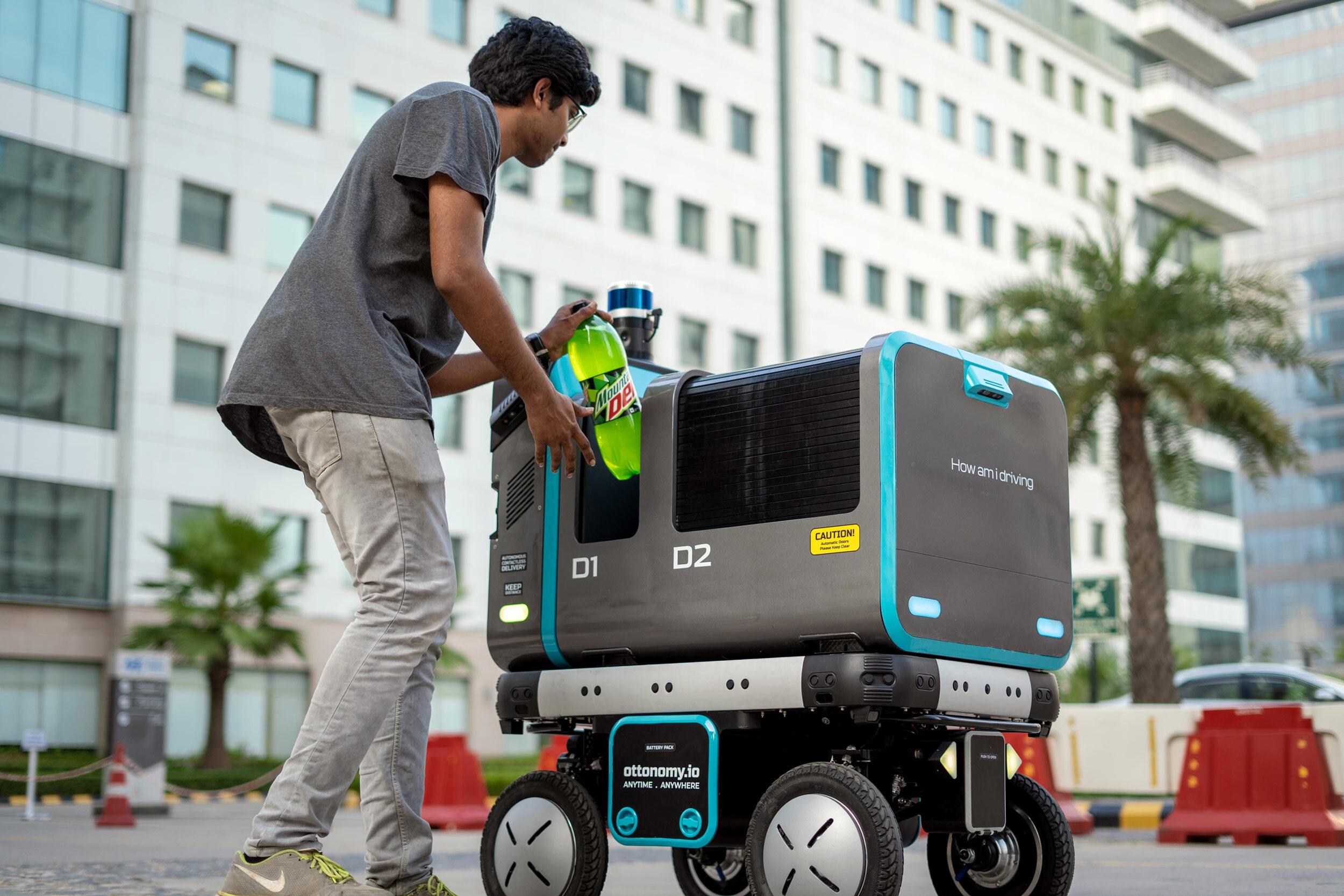
Challenges to Overcome
While the potential for humanoid robots in hospitals is vast, there are still significant challenges to overcome before they become a common fixture in healthcare environments.
- Navigational Challenges
Hospital environments are full of dynamic obstacles—patients in wheelchairs, stretchers, visitors, medical carts, and more. For humanoid robots to operate autonomously in these environments, they must be able to navigate through crowded spaces without causing accidents. This is a challenge because human behavior can be unpredictable, and robots need to react quickly to avoid sudden obstacles or changes in their environment. - Ethical and Privacy Concerns
As with any new technology, humanoid robots raise ethical and privacy concerns. For example, if robots are programmed to move through patient rooms to deliver supplies, could they inadvertently capture sensitive information, such as a patient’s condition or personal conversations? How can hospitals ensure that robots respect patient privacy and confidentiality? Furthermore, there are questions about the ethics of replacing human labor with robots. Will this result in job losses for hospital staff, and how can hospitals balance automation with the need to maintain a human workforce? - Maintenance and Reliability
The reliability of humanoid robots is another concern. If a robot breaks down or malfunctions, it could cause delays in crucial supply deliveries, impacting patient care. Hospitals will need to establish protocols for maintaining and servicing these robots to ensure they are always in working order. Moreover, some tasks might be too complex or nuanced for robots to perform, such as delivering life-saving medications that require special handling. - Cost of Implementation
The initial cost of integrating humanoid robots into hospital operations can be high. Hospitals would need to invest in the robots themselves, as well as the infrastructure required to support them, such as docking stations, charging ports, and software systems. While long-term savings could result from improved efficiency and reduced labor costs, the upfront investment could be prohibitive for some healthcare facilities, especially those with limited budgets.
The Future of Humanoid Robots in Healthcare
The future of humanoid robots in hospitals is promising, though it will likely take time before they become commonplace. As the technology improves, we may see an increased adoption of robots for not only delivery tasks but also other roles such as patient assistance, administrative duties, and even telemedicine.
There is also potential for humanoid robots to collaborate with healthcare professionals rather than replace them. Robots can handle repetitive and non-critical tasks, freeing up human staff to focus on more complex and important aspects of care, like patient diagnosis and treatment. By working in tandem with human workers, humanoid robots could help streamline hospital operations and contribute to a more efficient healthcare system.
In the coming years, hospitals will need to carefully evaluate the pros and cons of robotic automation. Balancing cost, reliability, and ethical concerns will be key to ensuring that humanoid robots enhance the patient experience without compromising care quality or staff employment.
Conclusion
Humanoid robots have the potential to revolutionize the way hospitals operate by automating the delivery of supplies and equipment. With their efficiency, ability to work 24/7, and capacity to reduce human error, these robots could significantly improve the quality of healthcare delivery while reducing costs. However, overcoming technical, ethical, and financial challenges is essential for widespread adoption.
As robotics, AI, and healthcare systems continue to evolve, we may soon find humanoid robots playing an essential role in hospital logistics, helping to create a more efficient and patient-centered healthcare environment. The future of humanoid robots in hospitals may be just around the corner, and it could be one where technology and humanity work together to improve patient care on a global scale.