








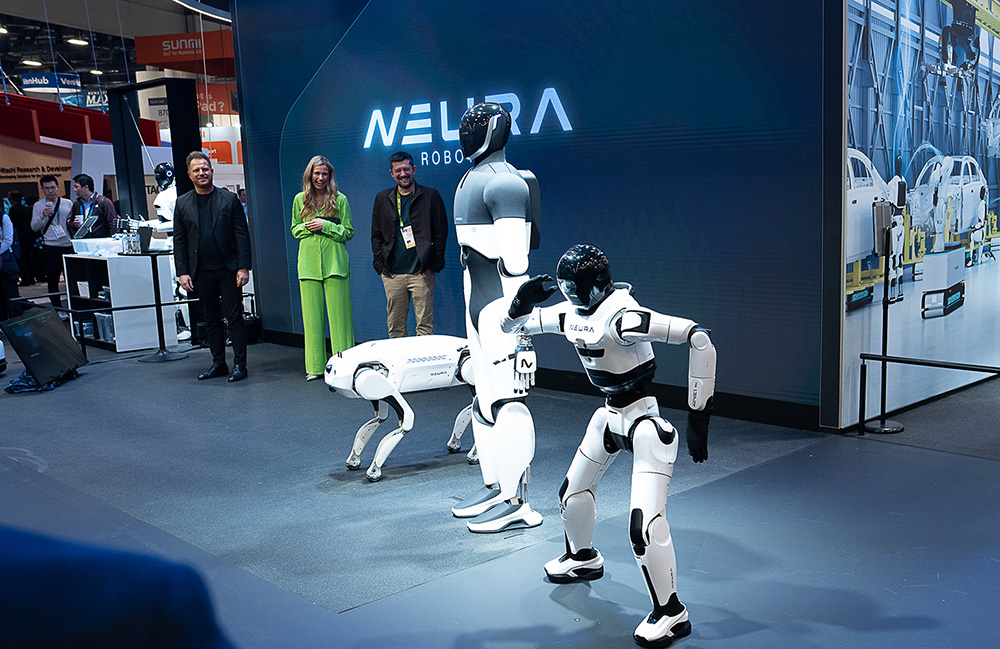

As humanoid robots become more integrated into healthcare settings, the question of whether they are acceptable to patients and staff alike has gained significant attention. These robots, designed to look and move like humans, are being introduced into hospitals, elder care facilities, and rehabilitation centers, among other places, to assist with a variety of tasks ranging from basic caregiving to more complex diagnostic functions. While these advancements in technology offer promising improvements in efficiency, there is a growing debate regarding the emotional, ethical, and practical implications of their presence. Are these humanoid robots a welcome addition to the healthcare environment, or do they raise concerns that cannot be easily dismissed?
The Rise of Humanoid Robots in Healthcare
The use of robots in healthcare is not new. Surgical robots have been employed in precision surgeries for decades, and robotic assistants have been used in logistical roles, like delivering medication or cleaning floors. However, humanoid robots take this innovation a step further. These robots are designed to resemble humans in their appearance and actions, often capable of communicating with patients and staff through voice or gesture. In some cases, these robots can even interpret and respond to emotional cues, offering companionship and care to patients who may be feeling lonely or anxious.
For example, in Japan, the humanoid robot Pepper has been used in hospitals and nursing homes to assist both patients and staff. Pepper’s primary role is not to perform complex medical tasks but to provide emotional support and help manage day-to-day activities. Similarly, robots like Robear, another creation from Japan, are designed to lift patients from beds to wheelchairs, easing the physical strain on human caregivers.
Patient Perception: The Good, The Bad, and The Ugly
Patients’ responses to humanoid robots vary widely. Some view them as helpful and even comforting, particularly in settings where emotional support is crucial. Patients in elder care facilities, for instance, may appreciate the companionship of a robot, especially if it helps to alleviate feelings of loneliness and isolation. Robots can also provide a sense of safety, as they are often designed to monitor patients for signs of distress or emergency, alerting staff when necessary.
However, not all patients are receptive to humanoid robots. For some, the sight of a robot that mimics human movements can feel unsettling. This phenomenon, known as the “uncanny valley,” occurs when a robot appears almost human, but not quite, triggering a sense of discomfort or unease. For these patients, the robot’s human-like features may be perceived as a threat rather than a comfort. This response may be especially true for individuals who already feel vulnerable or anxious about their health.

Interestingly, the type of humanoid robot also plays a role in how patients respond. Robots with more abstract or mechanical designs—those that do not attempt to closely resemble humans—tend to be more acceptable to patients. In contrast, robots with overly human-like features may evoke negative feelings due to the uncanny valley effect.
Staff Perception: Benefits and Challenges
Healthcare staff, including doctors, nurses, and caregivers, often have a different perspective on humanoid robots compared to patients. On the one hand, humanoid robots can reduce the physical burden on staff by performing repetitive tasks like lifting patients or delivering medications. This is especially helpful in settings where there are labor shortages or high levels of physical strain involved in caregiving.
Moreover, humanoid robots can assist in administrative tasks, such as maintaining records or assisting with scheduling, thereby freeing up healthcare professionals to focus more on direct patient care. In some instances, robots can even serve as communication tools, facilitating interaction between patients and distant specialists via telemedicine platforms.
On the other hand, many staff members are concerned about the potential for robots to replace human workers. While the use of robots can indeed improve efficiency and alleviate physical strain, it also raises questions about job displacement and the future of human employment in the healthcare sector. There are concerns that robots might take over certain tasks traditionally performed by human caregivers, leading to job loss or a reduction in the need for human workers.
Additionally, there is the issue of trust. Staff members may question the reliability and decision-making capabilities of robots, particularly in high-pressure environments where human judgment is critical. There is also the concern that patients may develop a stronger emotional connection to the robot than to human caregivers, further complicating the dynamic of care.
Ethical and Moral Concerns
The introduction of humanoid robots into healthcare settings inevitably raises significant ethical and moral questions. One of the most prominent concerns is the issue of privacy. Robots often require access to patient data in order to perform their tasks effectively, whether it’s monitoring health statistics, assisting with medication, or providing emotional support. The collection and use of this data must be carefully regulated to ensure that patient privacy is respected and protected.
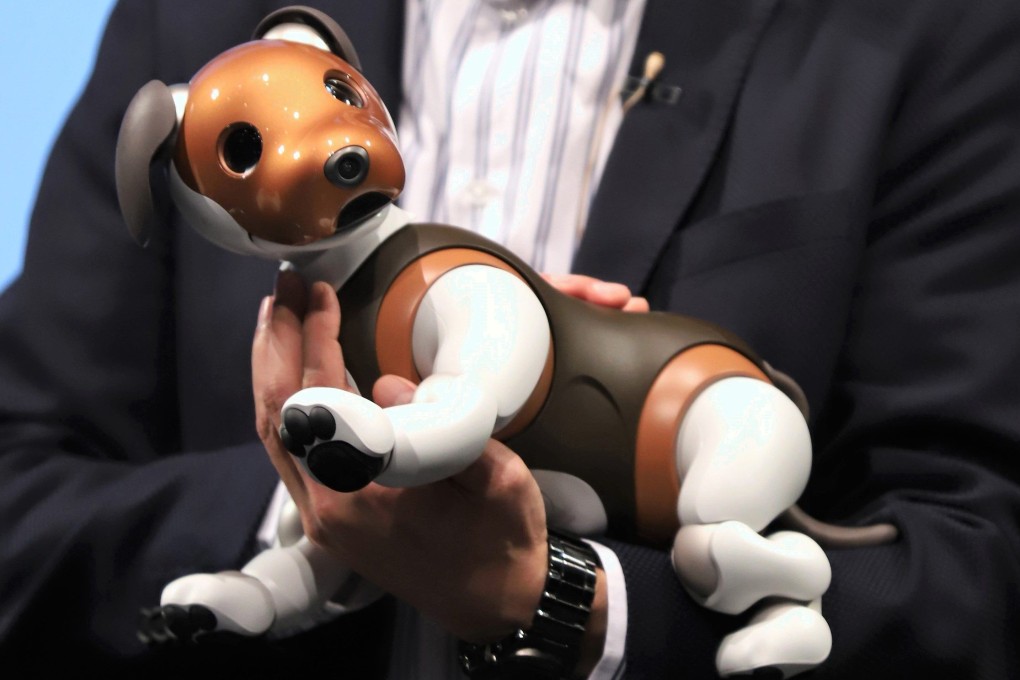
Moreover, the ethical implications of emotional manipulation cannot be ignored. While robots may provide companionship, it raises the question of whether it is appropriate to create robots that can manipulate patients’ emotions. Should robots be allowed to simulate empathy, or does this cross an ethical line by blurring the distinction between genuine human interaction and robotic simulation?
Another issue is the moral responsibility of the robot’s actions. If a robot makes a mistake—such as misinterpreting a patient’s emotional distress or failing to alert staff in an emergency—who is held accountable? The manufacturer, the healthcare provider, or the robot itself? These questions point to the need for clear regulations and frameworks to determine how humanoid robots should be integrated into the healthcare system.
Technological Innovation and Human Care
Despite the concerns, the potential for humanoid robots in healthcare is immense. With advancements in artificial intelligence (AI) and machine learning, robots are becoming increasingly capable of performing tasks that were once thought to be exclusive to humans. These robots can learn from interactions, adapt to patient needs, and even improve their performance over time. As such, they offer the potential to revolutionize the way healthcare is delivered, making it more efficient, personalized, and accessible.
However, it is important to recognize that technology should complement—not replace—human care. Robots are tools that can assist healthcare professionals, not substitutes for the human touch that is often necessary in caregiving. The key is finding a balance between leveraging the capabilities of humanoid robots and preserving the essential qualities of empathy, compassion, and trust that human caregivers bring to the table.
Regulations and the Future of Humanoid Robots in Healthcare
As humanoid robots become more commonplace in healthcare, there will be a growing need for regulations to govern their use. These regulations should cover everything from patient privacy to the ethical use of robots in caregiving. Additionally, there will need to be ongoing research into the effectiveness of these robots in various healthcare settings, with a focus on patient outcomes and staff experiences.
In the future, humanoid robots may become standard in hospitals and elder care facilities, but their success will depend on how well they are integrated into existing healthcare frameworks. They will need to be accepted by both patients and staff, and they must be used in a way that enhances the overall care experience rather than detracts from it.
Conclusion
Humanoid robots hold great promise for the future of healthcare. They offer the potential to improve patient care, reduce staff workload, and increase efficiency. However, their integration into healthcare environments must be approached with caution. Ethical considerations, patient comfort, and the preservation of human dignity should always be at the forefront of these advancements. By addressing these concerns and ensuring that humanoid robots are used responsibly and thoughtfully, we can unlock their full potential while maintaining the core values of healthcare.