








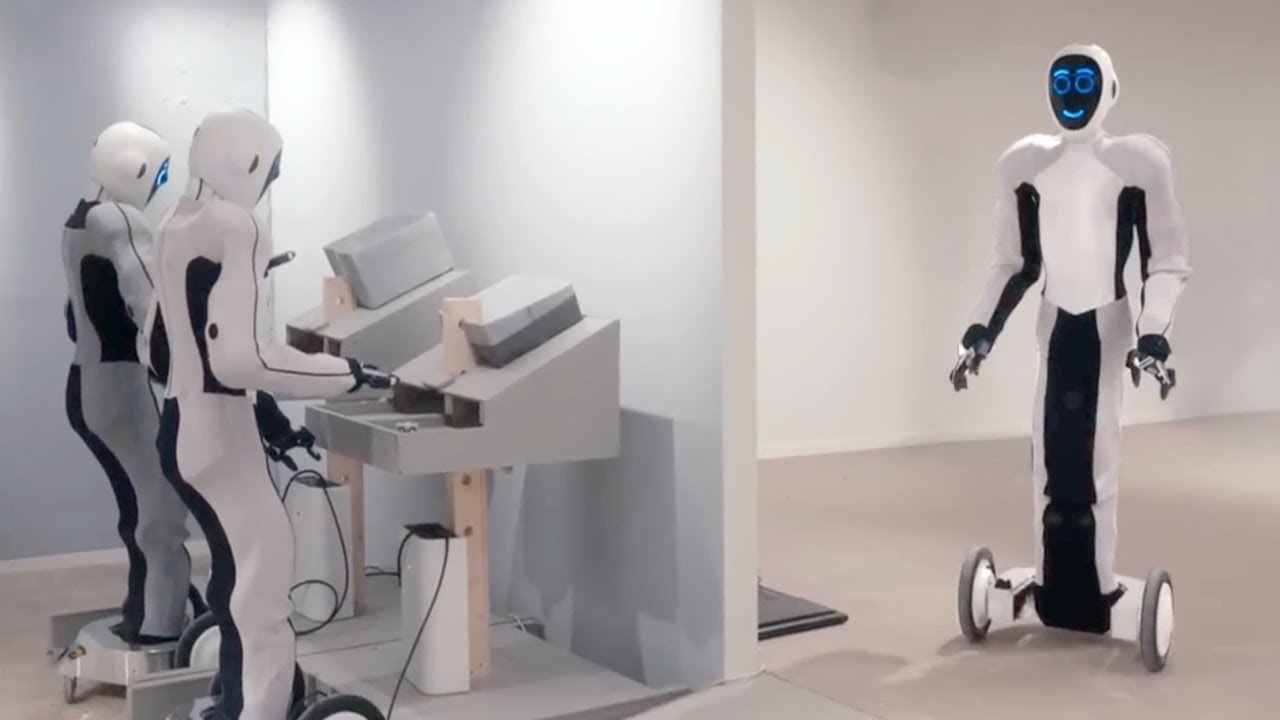

In recent years, the concept of humanoid robots has evolved from the realms of science fiction into the cutting edge of industrial automation. The question that looms large for businesses, especially in manufacturing and service sectors, is: how do humanoid robots compare to traditional automation in terms of Return on Investment (ROI)? This question is not just about the technical capabilities of humanoids but also about their economic impact, practicality, and future potential.
In this article, we will dive deep into the ROI comparison between humanoid robots and traditional automation solutions, addressing the key factors that influence the cost-effectiveness of these systems. From initial costs to long-term operational benefits, we’ll explore how each technology stacks up in various real-world scenarios.
The Basics of Traditional Automation
Traditional automation refers to the use of machines, robots, or systems designed to carry out repetitive tasks without human intervention. These systems have been widely used in industries like manufacturing, logistics, and packaging, often using robotic arms, conveyor belts, and assembly line robots. Traditional automation focuses on efficiency and speed, aiming to reduce labor costs and increase throughput.
Key Benefits of Traditional Automation:
- Cost Savings: Traditional automation solutions, while often expensive upfront, deliver cost savings by reducing the need for manual labor and minimizing human error.
- Consistency: These machines are designed to perform repetitive tasks with a high degree of precision and without fatigue.
- Scalability: Once installed, traditional systems can be scaled up with relatively low incremental costs by adding additional machines or robots to the line.
- Speed and Efficiency: Tasks that once required human labor can be executed faster and more reliably by machines.
However, there are limitations to traditional automation:
- Lack of Flexibility: Traditional systems tend to be task-specific and are not easily reprogrammed or adapted to new tasks without substantial reconfiguration.
- High Upfront Investment: While operational costs can be low in the long run, the initial investment in traditional automation can be significant, especially when installing large-scale systems.
- Limited Human Interaction: These systems typically do not engage directly with humans, which can limit their application in environments requiring customer interaction or decision-making.
Enter Humanoid Robots
Humanoid robots are designed to resemble humans in both appearance and behavior, making them more versatile and capable of performing a wider range of tasks that require human-like dexterity, decision-making, and interaction. Unlike traditional robotic systems that are often limited to single, repetitive tasks, humanoid robots are capable of multi-functional operations, and their adaptive nature makes them more suitable for environments where flexibility and problem-solving are needed.
Key Advantages of Humanoid Robots:
- Adaptability: Humanoid robots are equipped with sensors, AI, and learning algorithms, which allow them to adapt to new tasks without requiring substantial reprogramming.
- Human Interaction: With their human-like features, humanoid robots are more suitable for customer-facing roles. They can provide customer support, deliver packages, or even assist in elderly care.
- Versatility: Humanoids can perform a range of tasks that might require multiple different types of robots or systems in traditional automation setups.
- Advanced Perception: These robots use advanced sensors and AI to perceive and understand their environment, making them capable of handling complex tasks that require decision-making in real-time.

However, humanoid robots come with their own set of challenges:
- High Initial Costs: Building humanoid robots involves significant research, development, and manufacturing costs. These robots tend to be more expensive than traditional automation systems.
- Technical Complexity: Humanoid robots are complex machines that require highly sophisticated software and hardware integration, making maintenance and repair more difficult than traditional systems.
- Limited Market Availability: While humanoid robots are being developed and tested, they are still relatively rare in many industries, which can make widespread adoption challenging.
ROI: How Does the Cost Stack Up?
To truly understand the ROI of humanoid robots versus traditional automation, it’s essential to break down the key factors that influence the cost-effectiveness of these systems. Let’s examine the two in terms of initial investment, operational costs, flexibility, maintenance, and long-term returns.
1. Initial Investment
Traditional Automation:
The initial investment in traditional automation systems can be substantial, especially for large-scale operations. However, the cost is often more predictable. You pay for the machines, the setup, and any peripheral equipment needed to keep the system running. Given their fixed nature, once installed, the cost of traditional automation does not vary much over time.
Humanoid Robots:
Humanoid robots are much more expensive than traditional automation systems. Due to their complexity and adaptability, the initial costs can be significantly higher. A humanoid robot could cost anywhere from tens of thousands to millions of dollars, depending on the application and capabilities. This upfront investment can make ROI seem less attractive, especially for smaller businesses.
2. Operational Costs
Traditional Automation:
Once a traditional system is in place, operational costs are relatively low. There are minimal labor costs since human workers are largely replaced by machines, and the cost of running machines is often limited to electricity, maintenance, and consumables like lubricants or replacement parts. Traditional automation excels here as it delivers high output with minimal human involvement.
Humanoid Robots:
In contrast, humanoid robots incur higher ongoing costs. These robots need advanced software updates, maintenance to keep their complex hardware working, and often require highly skilled operators or technicians. The cost of electricity, computing resources, and regular software updates adds up, and depending on the application, labor savings may not immediately offset these higher operational expenses.

3. Flexibility and Adaptability
Traditional Automation:
Traditional automation systems are designed for specific tasks, meaning they lack the flexibility to adapt to new roles without considerable reprogramming or even a complete overhaul. For example, a robot arm designed for welding may not easily switch to packaging without significant changes.
Humanoid Robots:
Humanoid robots excel in flexibility. Their ability to learn and adapt makes them highly valuable in environments that require diverse skill sets. A humanoid robot can be reprogrammed or retrained to perform different tasks, making it much more versatile than traditional automation systems. In this sense, humanoids may offer better long-term ROI as their applications expand.
4. Maintenance and Downtime
Traditional Automation:
Traditional automation systems tend to have fewer moving parts compared to humanoid robots, and their maintenance is generally straightforward. Parts can be easily replaced, and the system is designed for reliability. As a result, downtime is typically low and maintenance costs are predictable.
Humanoid Robots:
The complexity of humanoid robots means they require more frequent maintenance and updates. If a robot encounters a software bug or a hardware failure, it can lead to significant downtime. Additionally, humanoid robots may need to be regularly recalibrated or fine-tuned to maintain optimal performance.
5. Long-Term Returns
Traditional Automation:
While traditional automation may have a longer path to ROI due to its high upfront cost, the ongoing cost savings in terms of labor and operational efficiency often lead to strong returns over time. Additionally, scalability allows for expanded output without much additional investment.
Humanoid Robots:
Humanoid robots offer an intriguing long-term potential. Their ability to perform diverse tasks and interact with humans provides opportunities for ROI in areas that traditional automation cannot touch. For example, in customer service or healthcare, humanoid robots could eventually replace human workers in certain roles, yielding a more significant return on investment. However, this will depend on their evolution and market acceptance.
Which Is More Cost-Effective?
Ultimately, the answer to this question depends largely on the specific needs of a business and the type of tasks that need to be automated. Traditional automation is well-suited to industries where repetitive tasks and high-volume production are key. For companies looking to scale operations quickly and cost-effectively, traditional systems are likely to provide faster ROI.
On the other hand, humanoid robots hold immense potential for businesses in sectors that require flexibility, adaptability, and direct human interaction. Industries like retail, hospitality, healthcare, and elderly care are prime candidates for humanoid robots, where the return may not be immediate but could pay off significantly in the long run, especially as humanoid robots become more affordable and efficient.
Conclusion: Looking Toward the Future
While traditional automation has undoubtedly been a major force in improving industrial efficiency, humanoid robots offer exciting possibilities that extend far beyond the capabilities of existing systems. As technology advances, humanoid robots may become more affordable, efficient, and capable of performing a wide range of tasks, thus leading to better ROI in the long run. Businesses should carefully consider their needs and future growth potential when choosing between these two automation solutions.