








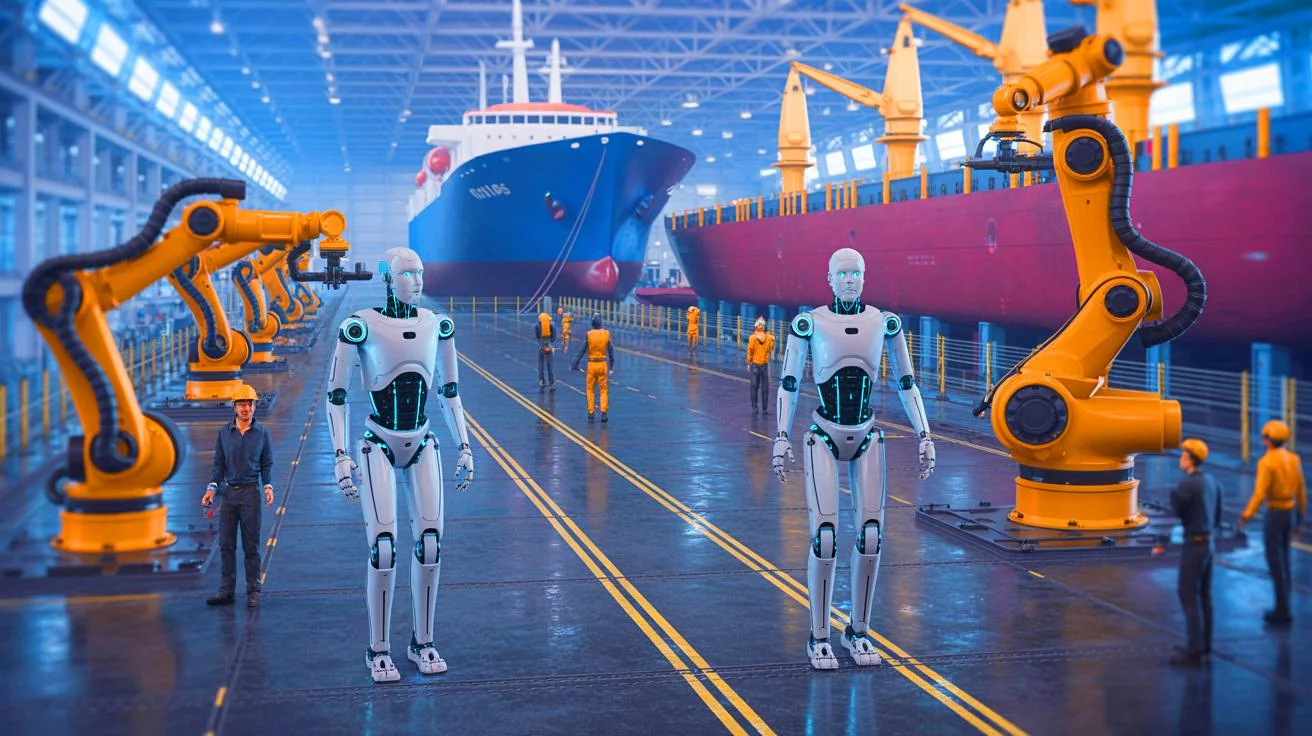

The rise of humanoid robots is one of the most fascinating — and high‑stakes — technological shifts of the 21st century. From science fiction fantasy to boardroom strategy, these bipedal machines promise to reshape work, society, and investment portfolios alike. Yet, as with any frontier technology, the path from hype to real, profitable deployment is riddled with risks that investors must understand before placing serious capital bets. In this deep dive, we’ll unpack the most critical risks tied to humanoid robot deployment — framed through technological, economic, ethical, regulatory, and strategic lenses — with clarity and precision (and without unnecessary buzzword fluff).
Humanoid robots — machines designed to mimic human form and movement — are emerging at the confluence of robotics, AI, sensors, and embodied intelligence. They promise to automate not only repetitive industrial tasks but also nuanced social and service roles. But behind the promise lie daunting challenges — from technical limitations to ethical dilemmas to market bubbles. For investors evaluating this space, a thorough risk framework isn’t optional — it’s essential.
1. Technological Risk: Reality vs. Expectations
The allure of humanoid robots often begins with slick demos and ambitious claims of human‑like dexterity. Yet the state of the art still falls far short of that promise.
1.1 Hardware and Performance Limitations
Current humanoid platforms struggle with battery life, uptime, and physical performance. Most cannot operate continuously for a full industrial shift without recharging or maintenance downtime — often running only 2–8 hours per day in real settings. Batteries still lag human endurance by orders of magnitude, and charging infrastructure remains underdeveloped.
Robot “hands” and manipulators also cannot match the complexity and finesse of human limbs. Tasks requiring fine motor skills — from delicate assembly to nuanced caregiving — remain largely elusive.
Investor takeaway: Betting big on humanoids before core technical thresholds — like sustained operation, robust human‑grade manipulation, and reliable autonomy — may expose capital to long timelines and uncertain returns.
2. Commercialization Risk: From Pilot to Scale
Early hype often glosses over a stark reality: demonstrations don’t guarantee real market adoption.
2.1 Slow Deployment and ROI Uncertainty
Despite impressive prototypes, large‑scale commercial deployments remain nascent. For instance, fewer than 100 humanoid robots are reported deployed outside pilot environments in business settings — even as late as 2025.
Costs are steep. A unit can range from roughly $30,000 to over $200,000, and maintenance, integration, and downtime add recurring expenses. This means investors may wait years before clear ROI appears — and if margin pressure or market adoption lags, capital could be locked into unproductive assets.
2.2 Bubble Dynamics and Speculative Risk
A growing chorus of analysts warns that humanoid robotics may be entering a speculative bubble. VC funding has surged, but many startups lack commercial evidence or realistic timelines. If investors overpay for future potential that doesn’t materialize quickly, valuations could correct sharply — leaving capital losses.
Investor takeaway: Closely examine revenue models, commercial proofs, and adoption curves before committing funds. Technical promise alone is not a commercially viable business.
3. Safety and Reliability Risks
Humanoid robots are unique among automation technologies: they move through human environments and interact with people. As such, safety isn’t just a regulatory checkbox — it’s a key determinant of risk.
3.1 Mechanical and Operational Risks
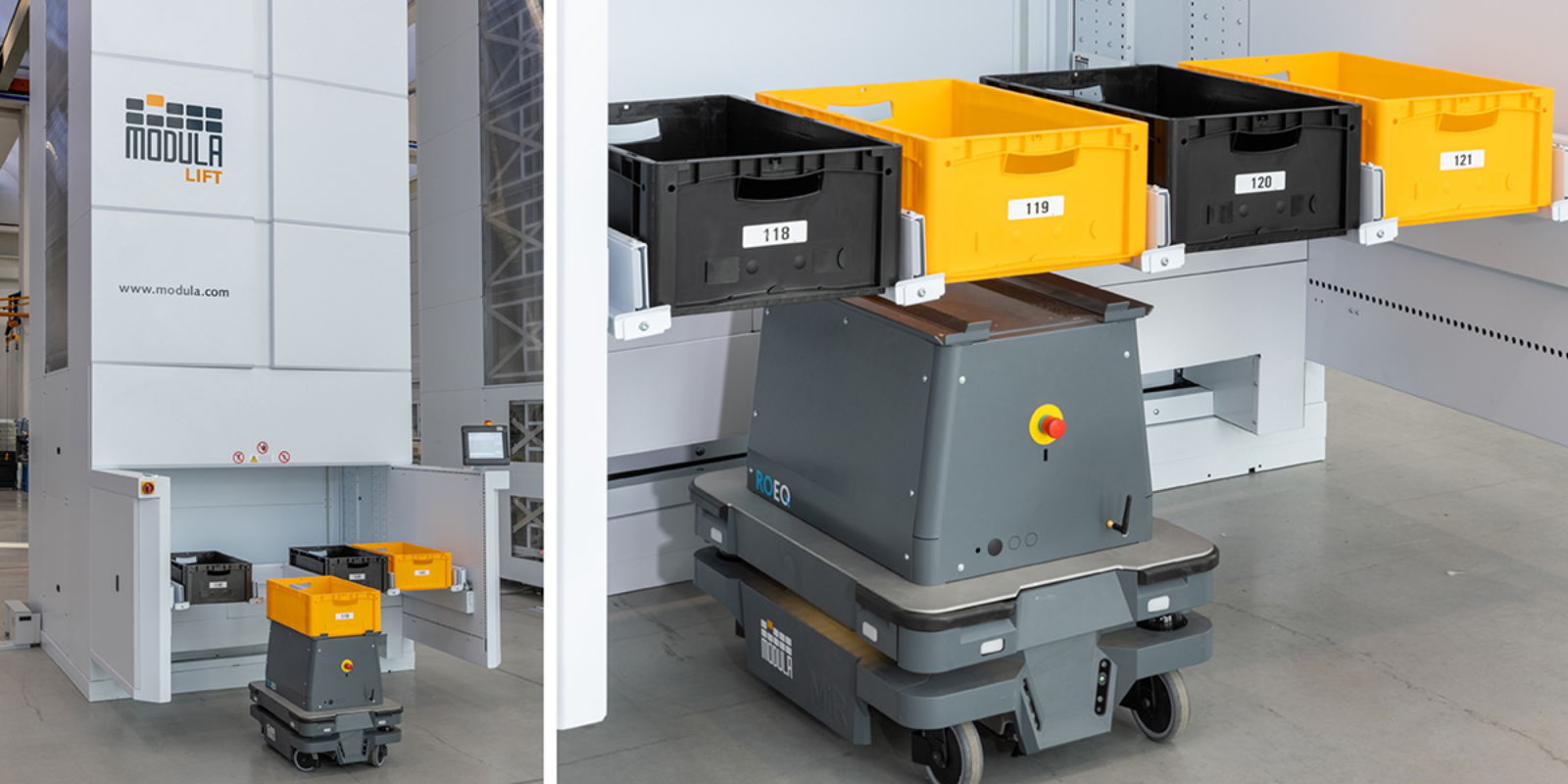
Bipedal balance systems are inherently unstable. Robots can fall, malfunction, or fail unpredictably — damaging equipment, disrupting operations, or even injuring nearby workers.
Industrial robotics often operates behind physical barriers; humanoids aspire to work with humans. But as of late 2025, no widely deployed humanoid robot has attained fully certified cooperative safety for unrestricted human collaboration.
3.2 Software and AI Faults
Autonomy introduces complexity. Software bugs, edge‑case failures, or misaligned AI behaviors can lead to unpredictable actions — particularly when robots are tasked with complex human environments absent direct human control.
Investor takeaway: Safety failures can rapidly erode trust, trigger regulatory backlash, and lead to costly recalls or litigation — all of which can sink early deployments before they scale.
4. Cybersecurity and Data Privacy Risks
Unlike traditional industrial robots, humanoid robots often employ sensors, cameras, microphones, and connectivity that make them cyber‑physical systems. They are both physical actors and data collectors — a dual domain that multiplies risk.
4.1 Attack Vectors and Exploits
Humanoid robots can be compromised in ways conventional devices never are. Research has shown that certain models, if hacked, can become covert surveillance platforms — exfiltrating sensitive telemetry, audio, and vision data without user consent.
Worse, a compromised robot could be repurposed to carry out physical actions — from sabotage on a factory floor to unauthorized entry into secure spaces. Just as with cybersecurity risks in consumer devices, these vulnerabilities can have real world consequences.
4.2 Privacy and Compliance
Humanoids in public or personal spaces might collect enormous datasets about individuals and environments. Without robust privacy controls, this could violate regulations like GDPR or spark public backlash.
Investor takeaway: Cybersecurity gaps can translate into financial and reputational risk. Capital should flow only into systems with demonstrable security architectures and compliance strategies.
5. Regulatory and Ethical Risk
Regulation rarely moves at the pace of cutting‑edge innovation. Humanoid robots intersect with public safety, employment law, liability regimes, privacy statutes, and ethical norms — creating complex regulatory terrain.
5.1 Liability Ambiguity
If a humanoid robot injures someone or damages property, who is responsible? Is it the manufacturer, operator, integrator, or AI developer? Assigning liability remains unsettled in many jurisdictions.
5.2 Ethical and Social Concerns
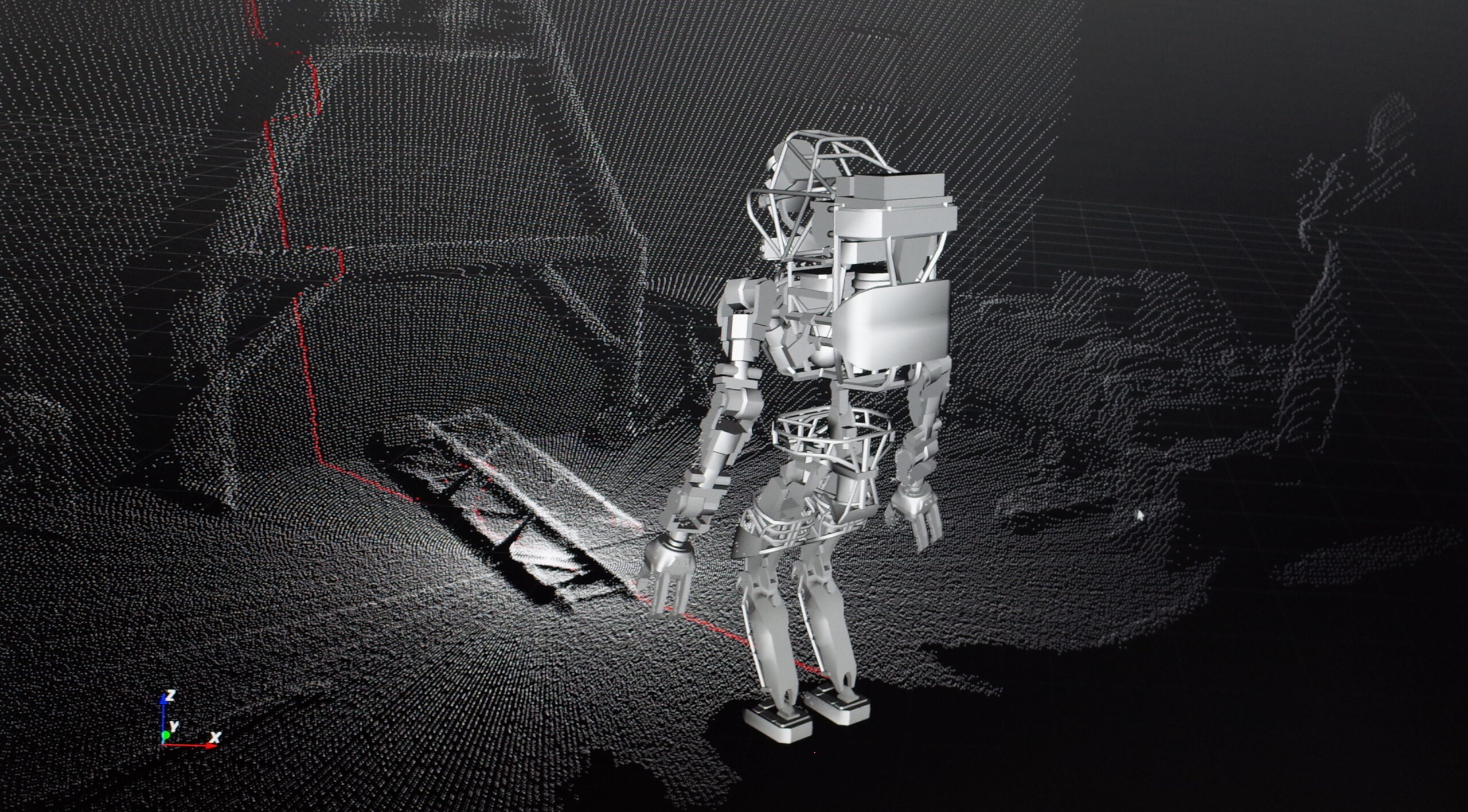
Humanoid robots raise questions about human dignity, emotional dependency, and displacement — particularly in caregiving or service roles traditionally filled by humans. The psychological impact of robots creating “social relationships” with people may have long‑term societal implications.
Governments may impose restrictions or mandatory compliance standards that restrict deployment or impose cost burdens on operators.
Investor takeaway: Regulatory uncertainty and ethical frameworks can dramatically alter market potential — and impose unseen compliance costs.
6. Economic and Labor Market Risks
Humanoids are positioned as labor substitutes. Yet that very role can trigger broader economic and political pushback.
6.1 Labor Disruption
Automation can displace workers — and this isn’t just a theoretical worry. Economic models estimate that millions of jobs could be affected by robotics and AI deployment across sectors.
Political pressure from unions, public concerns about unemployment, and legal challenges around worker rights could slow or reshape deployment strategies.
6.2 Market Concentration
If humanoid robotics evolves into an industry dominated by a handful of players, winners may accrue outsized returns — but smaller investors or adopters could be left behind if platforms become expensive or proprietary.
Investor takeaway: Consider macroeconomic and sociopolitical dynamics, not just unit economics. Like all radical automation, humanoids will shape — and be shaped by — public policy and worker interests.
7. Ecosystem and Supply Chain Risks
The humanoid robot value chain is complex: hardware, AI, sensors, integration tools, and services span multiple sectors. A bottleneck in any link — batteries, specialized actuators, AI training data, or compliance tools — can slow deployment.
7.1 Component Scarcity and Cost Volatility
High‑precision mechanical components — such as planetary roller screws and torque sensors — are both costly and subject to supply constraints.
7.2 Platform Lock‑in and Stranded Costs
Early adopters risk becoming locked into specific vendors, software stacks, or proprietary ecosystems. If a vendor fails or technology leapfrogs the chosen platform, capital may be stranded.
Investor takeaway: Evaluate not just the robot, but its ecosystem. Diversification, open standards, and modularity reduce systemic risk.
Conclusion: A Risk‑Aware Investment Strategy
Investing in humanoid robots isn’t inherently reckless — far from it. The potential for transformation across industries is massive. But the risks span multiple dimensions: technological, commercial, safety, cyber, regulatory, economic, and ecosystem. Savvy investors will frame their insight not around blind optimism, but around risk‑adjusted reality.
A disciplined investment strategy in this space should:
- Prioritize revenue‑proven startups with clear path to profitability.
- Scrutinize safety, security, and regulatory compliance as core differentiators.
- Stress‑test deployment scenarios against real operational KPIs — not demo videos.
- Hedge exposure across technologies and service segments (hardware, AI software, services, maintenance).
In doing so, investors can distinguish between the bubble and the breakthrough — positioning capital toward ventures that will survive the hardest test of all: real‑world adoption.