








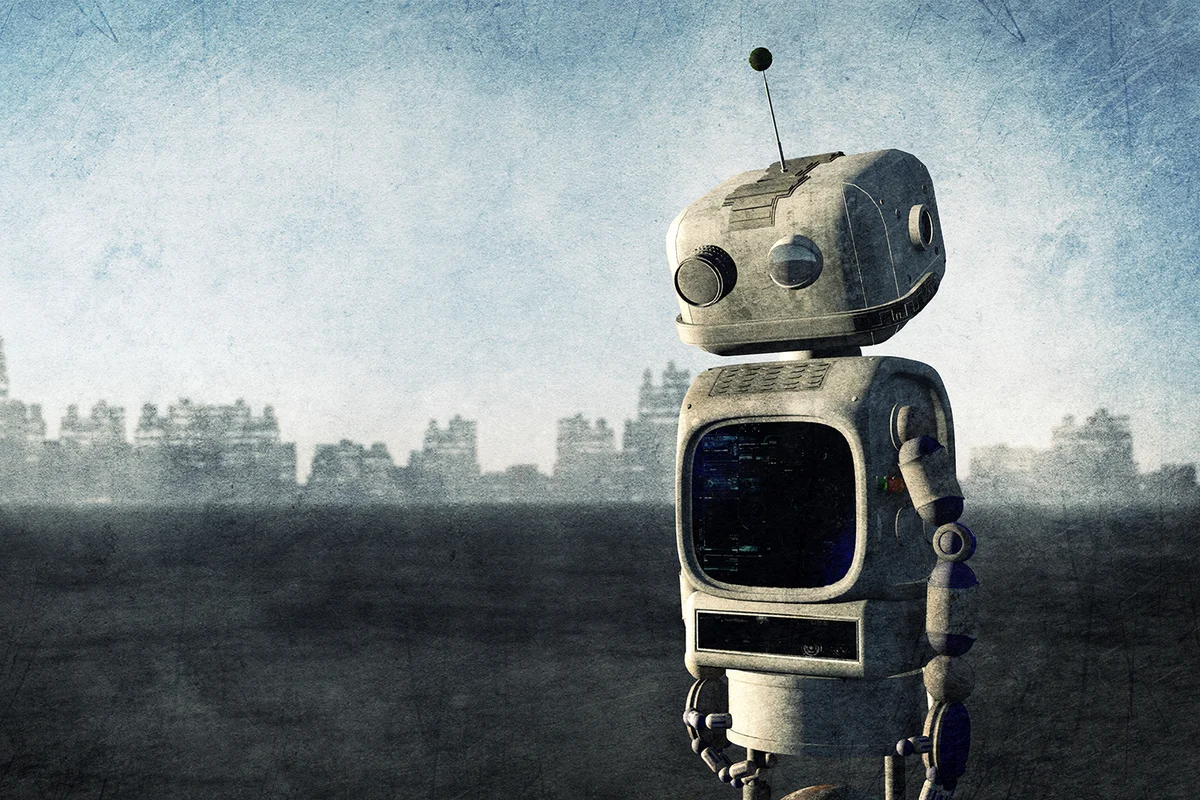

As technology advances at a rapid pace, the world is witnessing the rise of humanoid robots—machines that not only mimic human appearance but are increasingly capable of performing tasks that once relied solely on human abilities. The idea of humanoids providing personalized service is an alluring concept, especially in industries such as hospitality, healthcare, retail, and customer support. But the question remains: Can these robots deliver the level of service expected by people in real-world conditions? In this article, we explore the challenges and possibilities that humanoid robots face in providing personalized services, taking into account technological limitations, societal implications, and the fundamental nature of human interaction.
The Appeal of Humanoids in Service Sectors
Humanoid robots, which are designed to resemble human beings in both appearance and behavior, are beginning to find their way into customer-facing roles across various sectors. From greeting guests at hotels to assisting elderly individuals with daily tasks, these robots have the potential to revolutionize service industries. But what exactly makes humanoids appealing?
- Efficiency and Precision
Robots, including humanoid models, can perform tasks with a level of precision and efficiency that humans may not always achieve. For example, humanoids programmed to deliver room service can do so without fatigue, errors, or the need for breaks, ensuring consistency in service quality. - Cost Efficiency
With labor shortages being a common challenge in many industries, humanoid robots could offer a cost-effective alternative. A robot does not need a salary, benefits, or time off, and can potentially reduce overhead costs associated with hiring and training human employees. - Scalability
Unlike human workers, robots can work 24/7 without degradation in performance. This could allow companies to scale up their operations, particularly in high-demand situations or during busy periods, like holidays or special events. - Appeal to Tech-Savvy Consumers
For younger, tech-savvy generations, interacting with a humanoid robot can be a novel and exciting experience. Their interest in cutting-edge technologies could create opportunities for businesses to enhance customer engagement and create memorable experiences.
Challenges Faced by Humanoids in Personalized Service
While the potential of humanoids to offer personalized services is significant, several challenges must be addressed for them to truly meet real-world demands. These challenges range from technical limitations to psychological and ethical concerns.
1. Technical Limitations: Perception and Interaction

Despite advancements in robotics, humanoid robots still face limitations when it comes to perception and interaction. Human communication is complex and involves more than just words; tone of voice, body language, and emotional cues all play vital roles in understanding and responding to needs.
- Vision and Sensory Limitations: While some humanoid robots are equipped with advanced cameras and sensors, their ability to understand and interpret human emotions or subtle facial expressions is still in its infancy. For example, a robot might struggle to detect a customer’s frustration from a slight change in their tone of voice or body language, which could be crucial in a personalized service setting.
- Speech and Language Processing: Humanoids are generally equipped with speech recognition and language-processing systems, but they are still imperfect in terms of understanding context, tone, and nuance. A robot might fail to catch on to the sarcasm in a customer’s voice or misunderstand the urgency behind a request, potentially leading to poor service delivery.
- Non-Verbal Communication: Non-verbal communication, including body language and facial expressions, is central to human interaction. Although robots are capable of mimicking gestures, their understanding of these signals is often superficial and lacks the depth required to fully connect with customers.
2. Emotional Intelligence and Human Connection
Human interaction is deeply rooted in empathy, emotion, and understanding. While robots may excel at technical tasks, replicating the emotional intelligence that humans bring to service roles is another matter entirely.
- Lack of Empathy: While humanoids can be programmed to detect certain emotional states, they cannot truly “feel” in the way humans do. This lack of emotional depth could make it challenging for them to provide truly personalized service, which often requires empathy and the ability to respond sensitively to a customer’s mood or needs.
- Building Trust: Personalized service is often built on trust, and for humans, trust is inherently linked to emotions. Customers may find it difficult to trust a robot the same way they trust a human, especially in contexts where judgment calls or compassion are necessary. Without the ability to create emotional bonds, robots might struggle to build rapport with customers, impacting the overall service experience.
- Social and Cultural Sensitivity: Different cultures and individuals have varying expectations regarding how they should be treated in service settings. A humanoid robot programmed to follow standardized protocols might fail to understand these nuances and could unintentionally offend or alienate customers.
3. Human Touch and Interaction
In many service sectors, particularly in healthcare and hospitality, the “human touch” is often irreplaceable. Whether it’s a comforting smile, a gentle touch, or a compassionate voice, human service workers often provide emotional support that humanoids cannot easily replicate.
- Lack of Personalization: While robots can be programmed to remember past customer interactions or preferences, their approach is limited by algorithms and pre-set rules. Human service workers, on the other hand, can intuitively adapt their approach based on real-time cues, adjusting to the unique needs of each customer.
- Physical Interaction: In healthcare settings, humanoid robots might be able to assist with routine tasks like delivering medication, but they are still far from capable of providing the physical care and emotional comfort that humans can offer. The absence of a warm, human presence could detract from the overall quality of service, especially in caregiving environments.

Ethical and Societal Implications
The introduction of humanoids into personalized service roles brings about numerous ethical and societal considerations. As these robots become more integrated into our daily lives, questions regarding their role in the workforce, the impact on human employment, and the responsibilities of developers and companies will need to be addressed.
1. Job Displacement and Labor Concerns
One of the most significant concerns about humanoid robots in service roles is their potential to replace human workers. While humanoids may fill gaps in labor shortages, they also pose the risk of displacing workers, particularly in low-wage or routine tasks.
- Automation and Unemployment: With robots capable of performing many of the same tasks as humans, entire job categories could become obsolete. This could lead to widespread unemployment, particularly for workers whose skills are more easily automated. The question of how to handle displaced workers—whether through reskilling programs, a universal basic income, or other social safety nets—will be a central issue as humanoid robots continue to proliferate.
- Changing Workforce Dynamics: Even if humanoid robots don’t entirely replace human workers, they could shift the nature of work, requiring employees to adapt to new roles and responsibilities. For example, workers in hospitality or retail might need to learn how to collaborate with robots, managing tasks that robots can’t handle and overseeing the ethical aspects of robot-customer interactions.
2. Ethical Treatment of Humanoids
As humanoid robots become more sophisticated, ethical questions surrounding their treatment may arise. Should robots be treated with the same respect as humans? And if they are designed to appear human-like, does that mean they should be granted certain rights or protections?
- Robot Rights: The concept of robot rights is still far from mainstream, but as humanoids become more human-like in their behavior and appearance, some might argue that they should be entitled to certain protections, particularly if they are performing tasks that involve vulnerable populations, such as elderly care or child supervision.
- Exploitation of Technology: There’s also the issue of how humanoid robots are used by corporations. If companies exploit robots solely for profit without considering their impact on employees, customers, or society as a whole, it could raise ethical concerns about responsibility, fairness, and the appropriate use of technology.
Conclusion: The Future of Humanoids in Personalized Service
Humanoid robots hold immense promise in revolutionizing the way we experience personalized service, but significant challenges remain. While technological advances in robotics and AI continue to push the boundaries of what’s possible, the real-world application of humanoids in service settings requires careful consideration of technical limitations, emotional intelligence, societal impact, and ethical concerns.
In the future, humanoids may very well become a regular part of the service industry, but they will likely function best when working alongside human employees rather than replacing them entirely. The ideal future may be one where robots handle routine tasks, allowing human workers to focus on higher-level problem-solving, emotional connection, and creativity.
The key to success lies in balancing the capabilities of robots with the irreplaceable qualities of human interaction. As we continue to innovate and integrate robots into our lives, we must also ensure that the impact on society, employment, and ethical standards is carefully managed. Only then can we create a future where humanoids not only deliver personalized service but do so in a way that enhances, rather than diminishes, the human experience.