









Introduction
In the sprawling world of automotive manufacturing, autopilot isn’t just for cars anymore — it’s for the factory floor itself. For decades, industrial robots have dominated assembly lines and paint booths, spraying color with machine‑like precision and shielding humans from the toxic haze of solvents and paint particles. But a new breed of machine is entering the scene: humanoid robots. These humanlike automatons promise the flexibility and adaptability of a person combined with the endurance, strength, and safety advantages of a machine. In this detailed and engaging exploration, we’ll unravel how humanoid robots are beginning to tackle high‑risk tasks — especially in auto paint shops — what makes this technology revolutionary, and the challenges and opportunities that come with it.
The Risks in Auto Paint Shops: Why Robots Matter
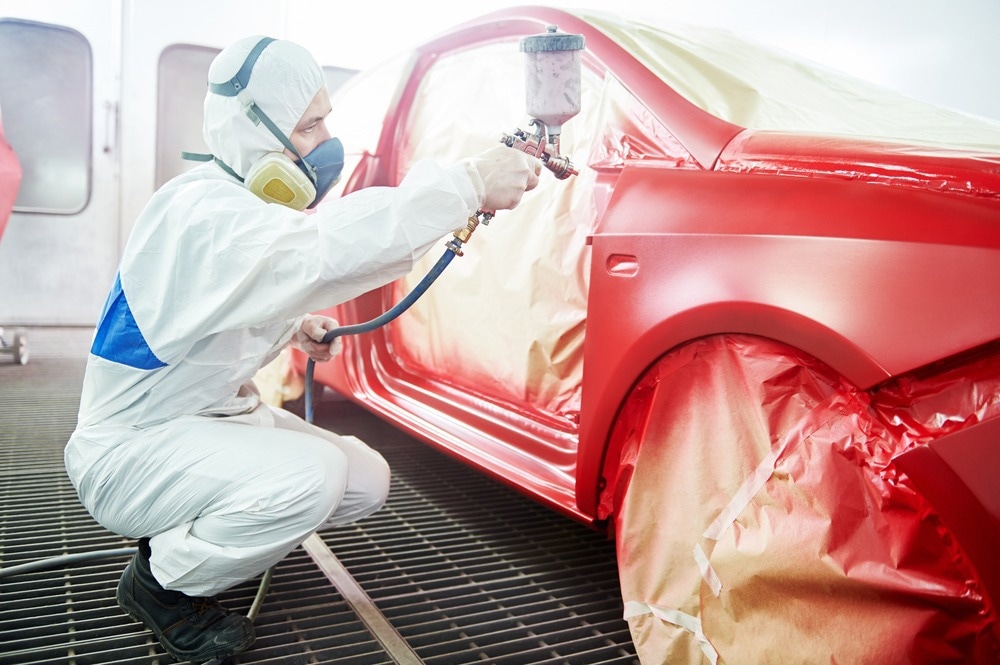
Auto paint shops are beautiful places to behold — dramatic arrays of color booths, robots moving with clockwork precision, and shiny new car bodies awaiting their final finish. But behind this polished exterior lies a harsh reality:
- Workers are exposed to volatile organic compounds (VOCs) and fine paint mists that can harm the lungs and nervous system without adequate protection.
- Repetitive tasks like spraying and masking are physically demanding and ergonomically stressful for humans.
- Traditional industrial painting requires humans to enter hazardous zones for setup, maintenance, and quality checks.
These risks create a compelling reason for automation: machines don’t breathe paint fumes, and they certainly don’t get fatigued halfway through a long shift.
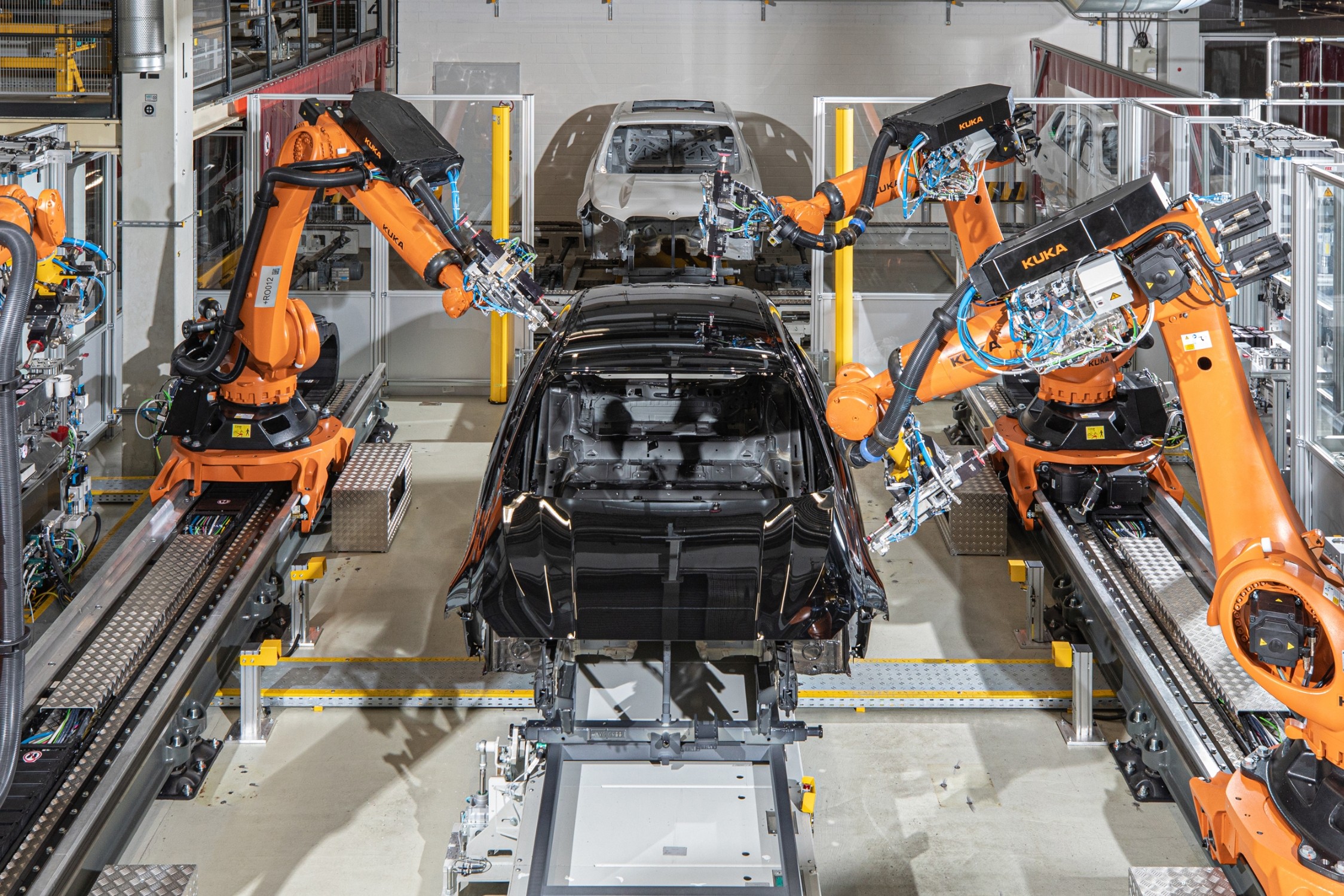
Traditional industrial robots — fixed arms bolted to the floor or walls — already handle much of the heavy lifting. They’ve become synonymous with precise, repeatable, high‑speed painting. Yet these robots have limitations: they’re optimized for specific trajectories within constrained environments, and they lack the adaptability to operate outside highly structured workflows.
Enter humanoid robots — machines designed to move like humans, think like machines, and, most importantly, adapt on the fly.
From Industrial Arms to Humanoid Workers: The Evolution of Robotic Painting
Industrial robots like the six‑axis arms found in most paint booths today excel at predetermined spray paths. They’re strong, quick, explosion‑proof, and reliable — often replacing workers in the most toxic parts of the paint process. Some paint robot systems are even ATEX‑certified to prevent dangerous accumulation of flammable gases during operation.
But the next evolutionary step isn’t simply more arms — it’s robots that can walk, perceive, and respond like people do.
At the heart of this change is the idea that when robots have human‑level physical form factors — legs, arms, hands that mimic human reach and dexterity — they can access workspaces and handle objects in ways that fixed machines cannot. Unlike industrial arms confined to a fixed base, humanoid robots can navigate changing environments, adjust on the fly, and assist with the unpredictable challenges that characterize real-world painting tasks.
Here’s how this transformation is unfolding:
1. Labor Shortages and Aging Workforces
Many advanced markets face chronic shortages of manufacturing workers. By automating high‑risk tasks with autonomous robots, companies can ensure sustained output without exposing humans to dangerous environments. This isn’t purely futuristic: leading automakers like Hyundai, Mercedes‑Benz, and BMW are actively testing humanoid robots in factory roles, from transportation of components to inspection duties.
2. Humanoids Navigate Human‑Designed Spaces
Factory floors are designed for humans — with walkways, staircases, consoles, and tools arranged around the way people move. A humanoid robot, by virtue of resembling a person, can operate within these spaces more naturally than fixed robots or wheeled platforms. They can reach tools, manipulate objects, and navigate obstacles without extensive infrastructural modifications.
3. AI‑Driven Adaptation
State‑of‑the‑art humanoid robots don’t just follow programmed paths — they learn from their environment. Partnerships between robotics firms and AI companies (like Google’s integration of the Gemini model with Boston Dynamics’ Atlas robot) are adding layers of perception, context awareness, and dynamic decision‑making to robots working on automotive floors.
This means a humanoid robot could potentially see an unplanned obstacle, recalculate a safe route, and continue without human intervention — something industrial arms simply can’t do outside their preprogrammed paths.
4. Close Human‑Robot Collaboration
Rather than replacing humans outright, humanoid robots aim to work with humans — especially during hybrid tasks like advanced masking, inter‑coat inspection, or quality validation — relieving humans of the aching repetition and toxic exposure. This is part of the emerging Industry 5.0 concept, which emphasizes collaboration and shared workspaces.
Humanoid Robots in Practice: Real Projects on the Factory Floor
Let’s look at some real initiatives that showcase how humanoids are moving beyond the lab and into practical use:
Hyundai’s “Atlas” Deployment (2028 and Beyond)
Hyundai Motor Group announced plans to deploy humanoid robots like Boston Dynamics’ Atlas at its U.S. factory from 2028. Initially focused on repetitive and high‑risk tasks, these robots will gradually take on heavier and more complex roles. Hyundai intends to produce up to 30,000 humanoid robots annually to support various manufacturing duties — a clear statement that humanoid automation is no longer a pipe dream.
Mercedes‑Benz and Apptronik’s Trials
Mercedes has invested in humanoid robotics startup Apptronik to test robots performing physically demanding or hazardous tasks, like moving parts and inspections. These pilot programs are crucial for understanding how humans and humanoids can safely and effectively co‑occupy factory spaces.
BMW and Figure AI Experiments
BMW has been trialing humanoid robots developed by Figure AI to explore their potential in automotive production, including ergonomic relief and flexible production support. These early tests help shape how robots might assist in paint shops and assembly lines.
What Makes Humanoid Robots Suitable for High‑Risk Auto Paint Tasks?
To understand the value humanoid robots bring to high‑risk tasks in paint shops, we need to break down the elements that set them apart from traditional automation.
1. Dexterity and Flexibility
Unlike fixed‑axis paint guns, humanoid robots can pivot, bend, and reach into irregular angles — adapting to different car models or custom jobs without complete reprogramming. Their five‑fingered hands and multiple axes mimic human reach and precision, enabling more natural movements.

2. Perception and Sensing
With advanced sensors — including cameras, lidar, and depth perception systems — humanoid robots can continuously scan and interpret their surroundings. This helps them adapt to changes, avoid hazards, and operate safely near humans and materials alike.
3. Safety and Ergonomics
Humanoid robots can reduce the amount of time humans spend in toxic environments or repeatedly perform motion‑intensive work that leads to musculoskeletal injuries. By allowing robots to take on these duties, companies can improve overall workplace safety and long‑term health outcomes for workers.
4. Seamless Workflow Integration
Because humanoids move like people, they require minimal changes to existing factory layouts and safety systems. This reduces capital costs compared to reinventing production lines around entirely new robotic platforms.
5. Adaptive AI Control Systems
Integration with cutting‑edge AI models — such as contextual awareness engines — allows humanoid robots to adapt their motions based on real‑time data, quickly learn new tasks, and even self‑diagnose variations in the environment. This sets humanoids apart from traditionally static robots that rely on rigid programming.
The Challenges and Limitations
Humanoid robotics is an exciting field, but there are real hurdles before widespread adoption in paint shops becomes standard:
1. Complexity and Cost
Designing and maintaining a humanoid robot with balance, perception, and fine motor control is substantially more complex (and expensive) than traditional paint robots. Power efficiency, battery life, and overall durability remain engineering challenges.
2. Safety Insights and Regulation
A lot of work remains to build regulatory frameworks and safety standards for human‑robot collaboration at the scale needed in automotive environments. Robots that walk and interact autonomously bring new safety requirements.
3. Integration with Legacy Systems
Paint shops have decades of optimized workflows built around industrial paint arms and conveyor systems. Introducing humanoid robots involves carefully redesigning workflows to preserve quality, efficiency, and consistency.
4. Balancing Human and Machine Roles
There’s an ongoing debate on workforce impact: how to ensure that automation relieves humans of dangerous tasks without displacing them entirely — especially in roles where skilled human judgment still matters.
The Future: A Harmonious Factory Symphony
Picture a paint shop of the future:
Robots in humanlike form move gracefully among half‑assembled bodies, adjusting primer coats, inspecting for micro‑imperfections, or retrieving tools from shelves — all while human workers oversee quality, tune systems, or manage exceptions.
In this vision:
- Repetitive, toxic, and physically demanding tasks are no longer a passport to injury.
- Human creativity and judgment focus on design and quality assurance.
- Humanoid robots act as collaborators, blending flexibility, perception, and physical capability.
This orchestrated integration of humans and robots aligns with broader trends in Industry 5.0 — the next phase of manufacturing that emphasizes collaboration, safety, and sustainable productivity.