








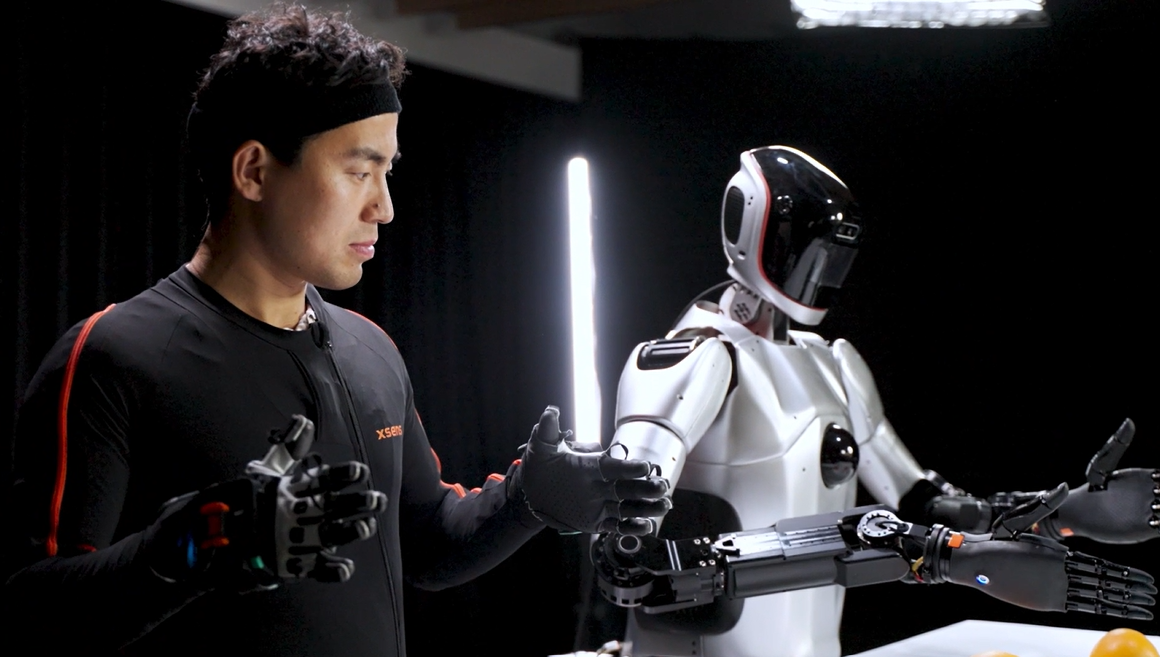

Worker shortages have become a defining challenge for modern factories around the world. Aging populations, shifting career preferences, global competition for skilled labor, and the pandemic’s lingering effects have converged into a perfect storm of workforce scarcity. In response, industry leaders and researchers are turning to advanced technology—most notably humanoid robots—to fill critical gaps. But is this truly the solution factories need, or simply the latest high‑tech dream with more hype than reality? This long‑form exploration takes you through the heart of what humanoids are, why they matter, what they can and cannot do, and what a future with robot coworkers might actually look like.
Part I — What Are Humanoid Robots, Really?
At its core, a humanoid robot is a machine designed to emulate the human body’s structure: two legs for walking, two arms for manipulation, and often even sensors and software that mimic human perception and decision‑making. Unlike traditional industrial robots—those stationary arms welding cars or moving parts along an assembly line—humanoids are intended to operate in human‑centric environments without the need for custom tooling or expensive reconfiguration.
This human form factor isn’t just for aesthetics. It means the robot can potentially navigate stairs, open doors, handle products designed for human hands, and integrate into spaces built for people rather than specialized machines. Companies like Figure AI are pioneering this approach with humanoids such as their Figure 01, targeting physically long‑hailed goals like logistics and warehouse operations.
One of the key technological drivers behind this evolution is embodied AI—systems that combine artificial intelligence, perception, and real‑world action in dynamic environments. These robots don’t just execute preprogrammed moves; they interpret sensory inputs, adapt to changes, and make decisions in real time. This is a quantum leap beyond industrial robots of the past.
However, humanoids remain far from the science‑fiction ideal of autonomous androids. They still grapple with core engineering challenges like power efficiency, balance control, and the fine motor skills necessary for delicate manipulation. These technical hurdles have real implications for both cost and safety.
Part II — Why Worker Shortages Are a Real Problem
Before we can assess solutions, we need to understand why worker shortages are so entrenched.
1. Demographic Shifts
Many countries, especially in Asia and Europe, are experiencing aging populations. Fewer young people are entering the workforce, leading to gaps in industries that require physically demanding or repetitive labor.
2. Changing Job Preferences
Modern career aspirations are evolving. Traditional factory jobs that involve manual labor or repetitive tasks are increasingly unattractive to younger workers who favor technical, creative, or flexible roles.
3. Global Competition and Economic Pressures
Even in regions with abundant labor, factories face competition from automated systems that operate without breaks, salaries, or benefits. This dynamic makes human labor less economically appealing in certain contexts unless it offers a clear value add.
These factors converge to create real pain points for manufacturing, logistics, and supply chain operations worldwide.
Part III — Can Humanoid Robots Fill the Gap?
So where does that leave humanoid robots? Can they step into the breach?
1. Filling Labor Gaps
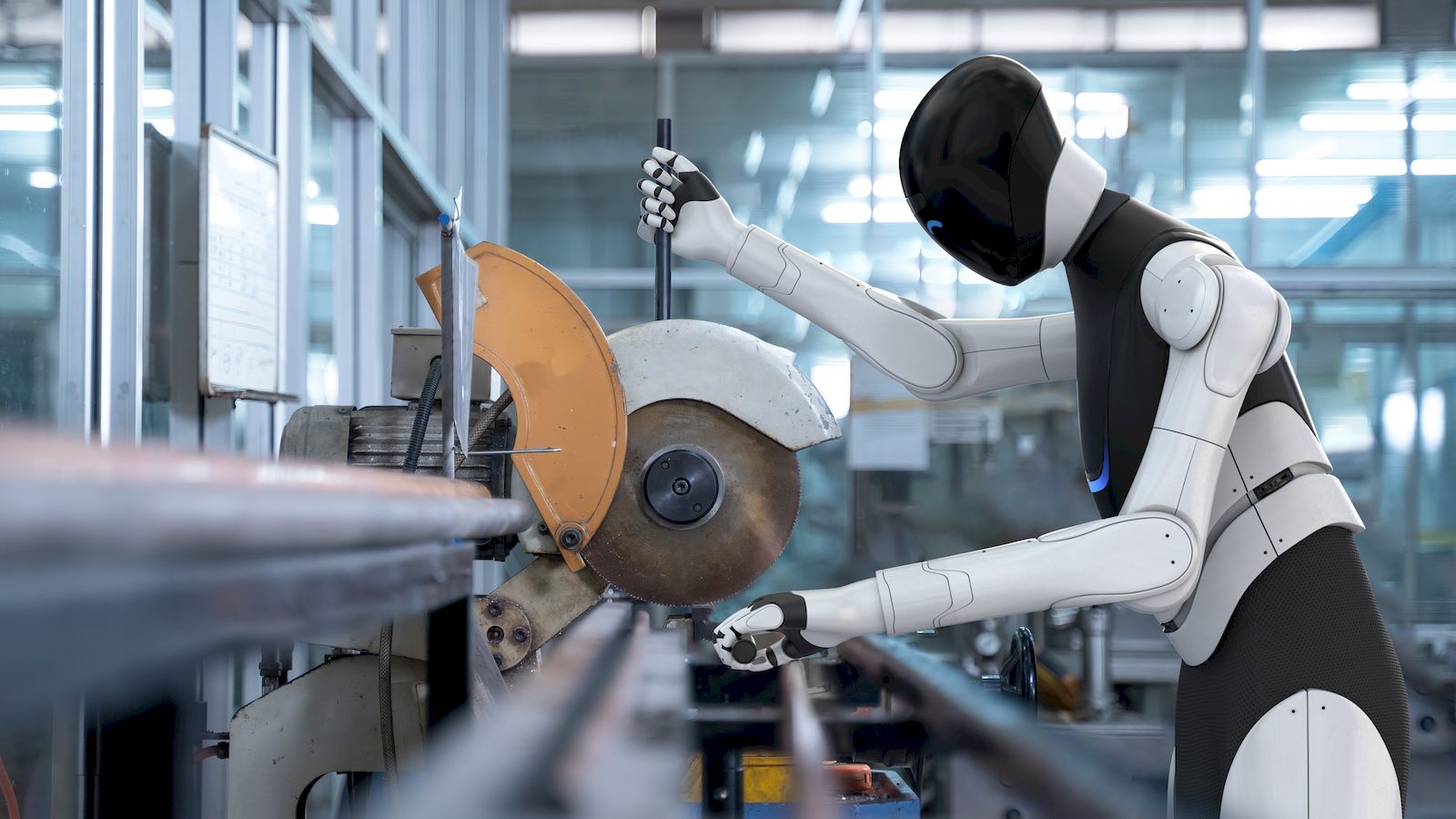
Humanoid robots are especially well‑suited to repetitive, physically demanding, or hazardous tasks—the kinds of roles that many humans are unwilling or unable to take on at scale. These include lifting heavy objects, working in extreme temperatures, or performing the same motion thousands of times per day. Industrial use cases are emerging where humanoids take over monotonous work, allowing human workers to focus on supervision, quality control, or creative problem‑solving.
In some factories in China, humanoid robots are already participating in material handling and assembly tasks, operating around the clock with minimal downtime.
2. Safer Work Environments
In many factory environments, human workers are exposed to ergonomic risk factors like repetitive strain, heavy lifting, and hazardous materials. Humanoid robots can mitigate these risks by taking over jobs that are physically strenuous or dangerous. Removing humans from hazardous tasks translates into fewer injuries and lower long‑term healthcare costs.
3. Flexibility and Adaptability
Traditional automation excels in structured environments where tasks are predictable. Humanoids, on the other hand, are being designed for unstructured environments, where variability and unpredictability are the norms—think of fulfillment centers with constantly changing products, layouts, and requests. This adaptability is what makes them compelling: they can learn new jobs without a full redesign of the production line.
But here’s the catch: this flexibility comes at a high price. The sensors, processors, actuators, and software required for a humanoid that can reliably function in such environments are expensive and complex. Mass production and scale are still years away, and the economics simply don’t yet favor widespread adoption.
Part IV — The Hidden Costs and Drawbacks
Humanoid robots are not plug‑and‑play solutions, and several key challenges remain.
1. High Deployment Costs
Unlike traditional industrial robots, which are optimized for narrow tasks, humanoids require advanced perception systems, high‑torque actuators, and massive computational power just to operate safely. This makes them expensive—and unreliable in the early stages of deployment.
2. Energy Efficiency and Endurance
Keeping a humanoid robot energized and operational for long shifts is a major engineering challenge. Batteries add weight, recharge cycles take time, and energy costs can skyrocket.
3. Reliability and Maintenance
A humanoid with dozens of joints and sensors is inherently more fragile than a fixed robotic arm. More moving parts mean more points of failure, more maintenance, and higher long‑term support costs.
4. Integration with Existing Systems
Factories have been optimized for decades around specific workflows. Introducing a humanoid robot means redesigning processes, retraining staff, and sometimes reconfiguring factory layouts—efforts that require time, money, and executive commitment.
Part V — Human and Social Implications
The discussion around humanoid robots isn’t just about efficiency—it’s also a societal debate. Let’s explore some of these broader implications.
Jobs and Displacement
One fear often voiced is that robots will replace human workers entirely. Even researchers who study robot adoption point out that while automation can transform jobs, it doesn’t always create new ones at the same pace.
However, many industry analysts argue that, at least in the short term, humanoid robots are likely to augment the workforce rather than replace it. Humans could occupy roles in supervision, programming, maintenance, and creative problem‑solving—positions that robots, despite their arms and legs, are not built for.
Reskilling and Training
If humanoid robots become commonplace, the workforce must evolve. New roles will emerge that require skills in robot programming, systems integration, ethics management, and human‑robot collaboration.
Economic Redistribution
Robots can boost productivity, but if the gains are concentrated among tech owners and not redistributed across society, we could see widening inequality. Factories that automate may generate more profits but provide fewer jobs, shifting the economic landscape fundamentally.
Part VI — The Future Factory: Collaborative Intelligence
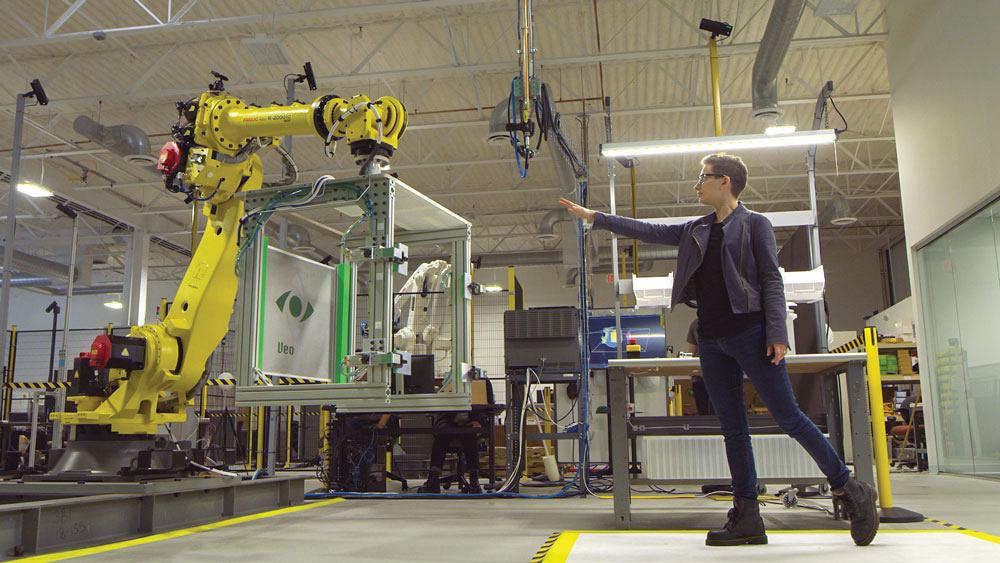
Rather than imagining robots taking over factories entirely, a more realistic and productive narrative is one of collaborative intelligence—humans and robots working side by side, each playing to their strengths.
Humans:
- Strategic planning
- Complex decision‑making
- Quality control and problem solving
- Creative adaptation
Humanoid Robots:
- Repetitive task execution
- Hazardous operations
- Data collection, sensing, and monitoring
- Extended operational hours
This hybrid model can take productivity to new heights while preserving human dignity and employment opportunities.
Part VII — Regulatory and Ethical Dimensions
Humanoid robots also bring new questions around regulation and ethics:
Safety Standards
Robots operating alongside humans must meet stringent safety standards to prevent accidents.
Responsibility and Liability
Who is accountable when a robot malfunctions? Manufacturers, programmers, or factory owners?
Worker Rights
How do we ensure workers aren’t coerced into training robots without fair compensation?
These questions are not peripheral—they go to the heart of how society will adapt to advanced robotics.
Part VIII — Conclusion: Not The Solution—But A Key Part of the Puzzle
So, is a humanoid robot the solution to worker shortages in factories? The answer is nuanced:
Humanoid robots are not a magical answer that will instantly fix labor shortages. They’re expensive, complex, and not yet fully mature. However, they are a powerful new tool that could significantly mitigate workforce gaps if deployed thoughtfully—with human collaboration, economic planning, and ethical safeguards in place.
Rather than replacing people, the most effective future lies in hybrid systems where humans supervise, adapt, and innovate while robots take on the dirty, dangerous, and dull tasks.
In that sense, humanoid robots are not the sole solution—but they may be one of the most transformative elements in the future of factory work.