








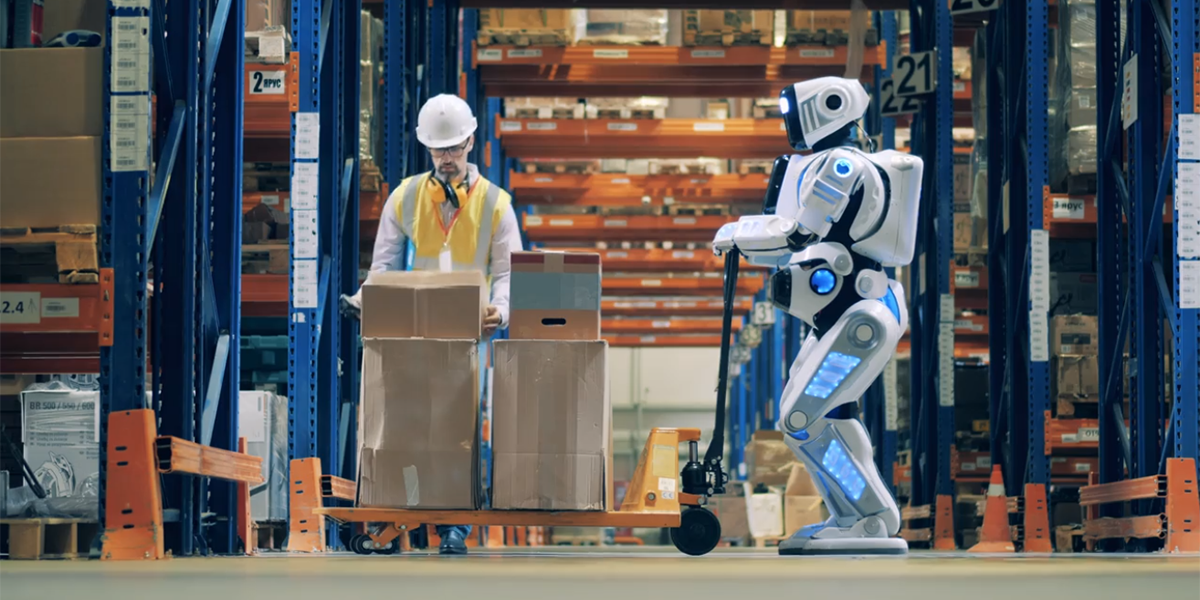

In the rapidly evolving world of warehouse automation and logistics, two distinct classes of robotic systems have taken center stage: Humanoid Robots and Autonomous Mobile Robots (AMRs). For anyone tracking the future of fulfillment centers—from e‑commerce giants to regional distribution hubs—the battle royale between these two technologies isn’t just academic. It has real implications for labor, efficiency, safety, adaptability, and ultimately, the economic bottom line.
This article dives deep into the capabilities, trade‑offs, challenges, and practical realities of humanoid robots versus AMRs in complex fulfillment tasks. We’ll walk through why one might appear superior in certain scenarios, why the reality is more nuanced, and what the near future of warehouse robotics might truly look like.
Chapter 1 — A Primer on Penguin‑like AMRs and Human‑like Robots
Before comparing the two, we need to understand what they actually are.
What Are AMRs?
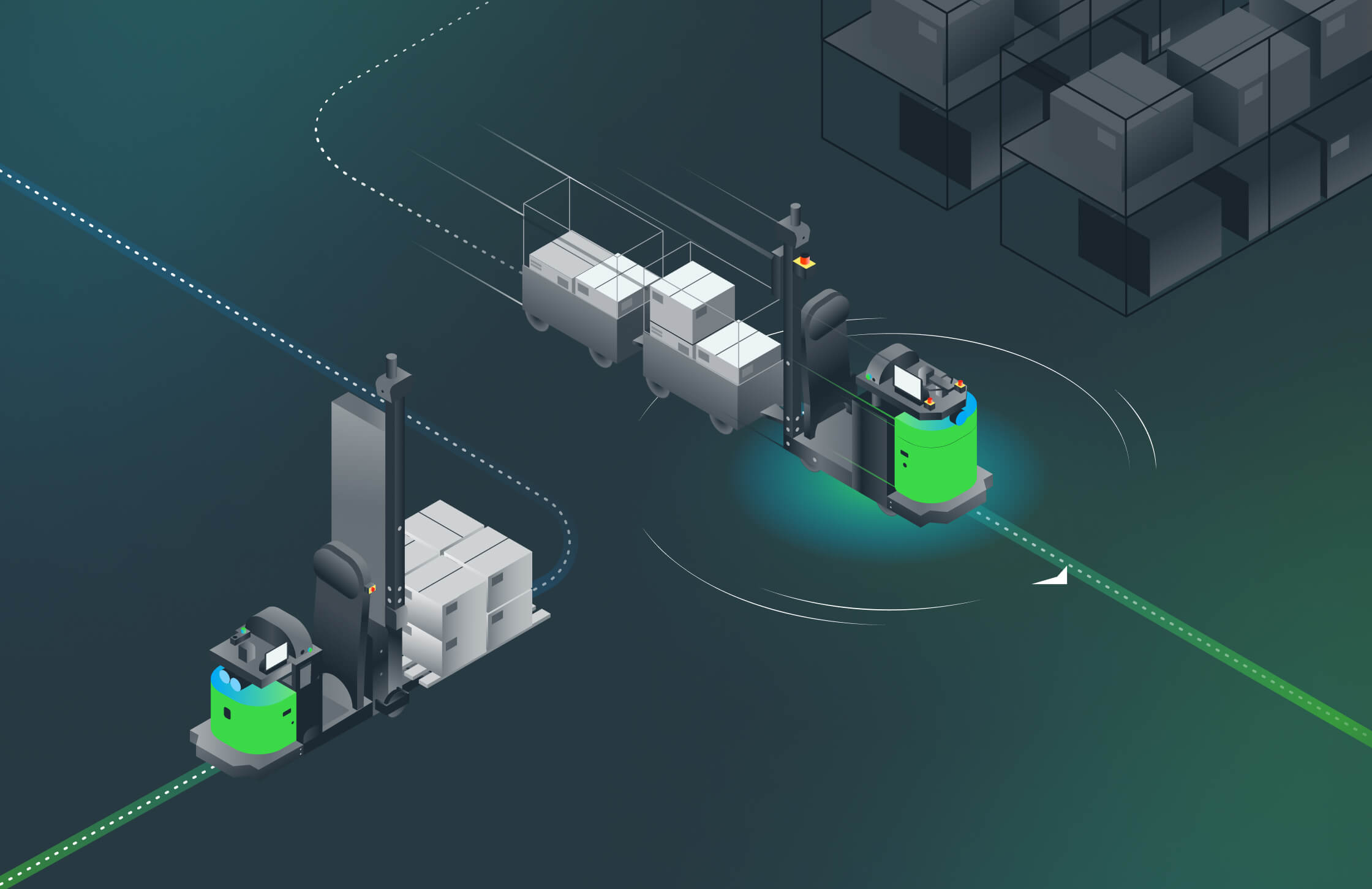
Autonomous Mobile Robots (AMRs) are purpose‑built robotics systems designed to move autonomously through industrial environments such as warehouses, distribution centers, and fulfillment spaces. They typically:
- Navigate using sensors like LiDAR, 3D cameras, and IMUs
- Use SLAM (Simultaneous Localization and Mapping) to build a dynamic map
- Choose the most efficient routes through changing environments
- Avoid obstacles in real‑time rather than following fixed tracks
- Communicate with warehouse management systems for task assignments
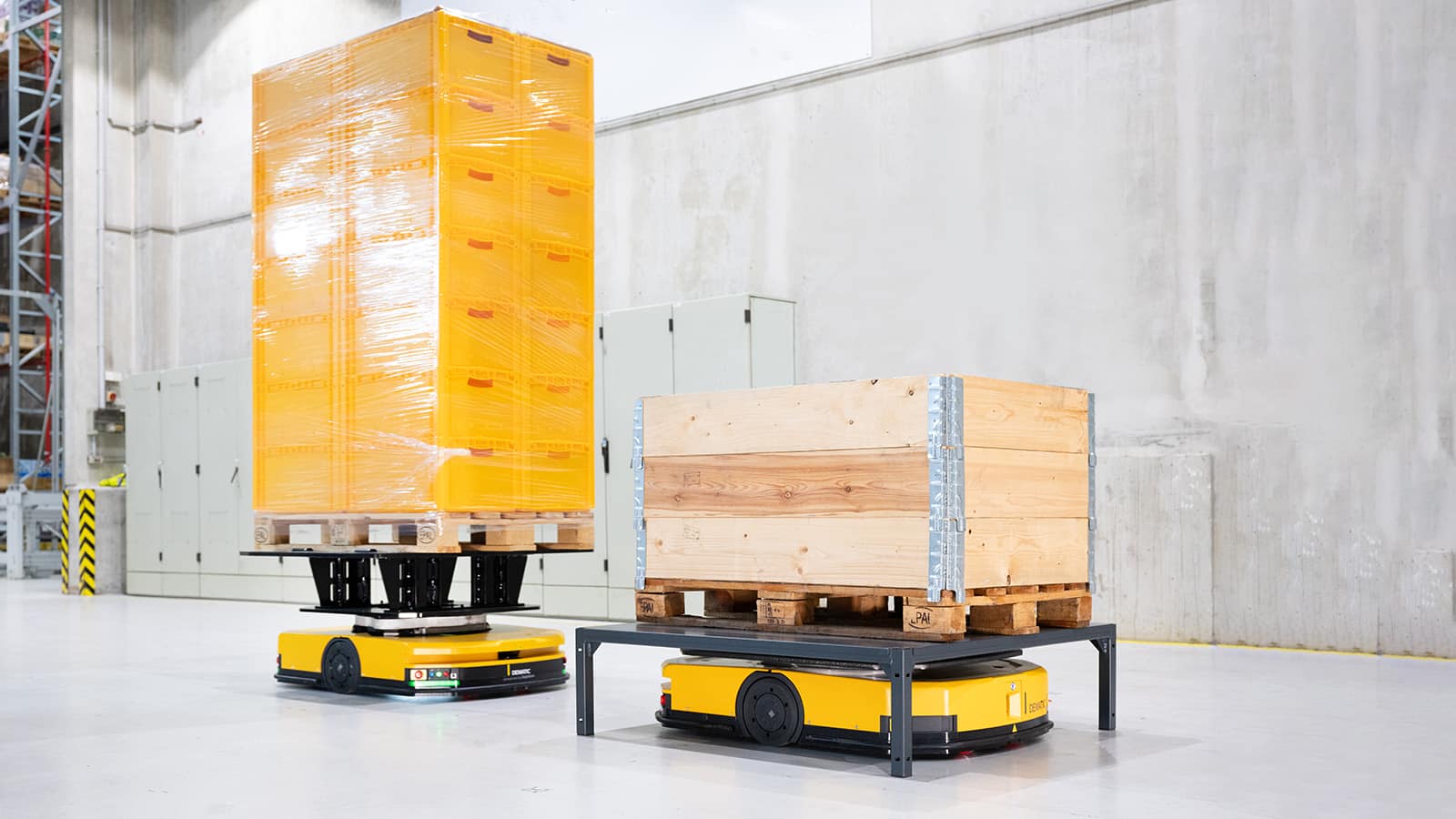
In short: AMRs are wheeled or tugger‑style platforms that move items, bins, pallets, and sometimes even interact with operators. They are often seen as highly reliable, efficient, and task‑specific robots optimized for logistics workflows.
What Are Humanoid Robots?
Humanoid robots are designed to resemble the morphology of humans — typically with two legs, a torso, arms, and hands. These systems aim to:
- Navigate environments built for humans
- Use manipulators and limbs to interact with objects in complex ways
- Perform tasks resembling human actions: grasping, lifting, opening doors, operating tools
Unlike AMRs, humanoid robots aren’t just about movement. They are about physical interaction with diverse objects in unstructured spaces.
Current real‑world experiments are underway—for example, logistic leaders like GXO are piloting humanoid systems in fulfillment settings to handle tasks that require more than basic navigation and lifting. From moving containers onto conveyors to tasks requiring complex manipulation, these pilots offer a glimpse of what humanoids might become in advanced automation setups.
Chapter 2 — Metrics That Matter in Fulfillment
When we compare robots in fulfillment environments, there are several performance dimensions that matter:
1. Efficiency — How quickly and consistently tasks are completed.
2. Flexibility — How easily the system adapts to variations in tasks or layout.
3. Reliability & Maintenance — Downtime, repair frequency, and cost intensity.
4. Cost & ROI — Upfront cost plus lifetime operational value.
5. Safety & Collaboration — Interaction with human workers without risk.
Let’s explore these one by one.
Chapter 3 — Pure Efficiency: AMRs Still Hold the Lead
AMRs were designed first and foremost to make warehouse tasks faster and cheaper. Typical tasks in fulfillment include:
- Moving goods between stations
- Delivering items to picking or packing areas
- Transporting bins and cartons
- Aggregating orders for dispatch
AMRs handle these repetitive tasks extremely well. Because they were engineered with a specific mission, they are:
- Fast and precise in navigation
- Energy‑efficient due to wheeled design
- Simple to maintain with fewer mechanical components
- Easy to scale with additional units
In head‑to‑head efficiency comparisons for material transport and repetitive pick‑and‑place operations, AMRs consistently outperform humanoids by a wide margin.
Why?
Because they aren’t trying to mimic human movement or balance.
They don’t expend energy staying upright.
They don’t have dozens of articulating joints or complex manipulators.
This creates a lean, faster, and cost‑effective solution for structured or semi‑structured tasks.
For example, in order fulfillment scenarios, AMRs simply:
- Receive a task from the warehouse management system
- Plot a route through the warehouse
- Navigate around obstacles
- Deliver goods to stations or storage
- Repeat
Their design ensures minimum downtime and higher throughput — which is essential for peak demand periods.
Today’s AMRs are rarely outpaced in pure navigation and materials handling speed.
Chapter 4 — Flexibility: The Primary Promise of Humanoids
Humanoid robots are being championed not because they’re currently better but because they can potentially do more.
The core idea behind humanoid systems is that they can:
- Reach into shelves of varying heights
- Grasp irregularly shaped items
- Open doors, operate tools, and adapt to new tasks
- Move freely in human‑oriented environments
AMRs, on the other hand, are excellent at predictable navigation and transporting objects — but they aren’t designed for complex manipulation. They can’t bend down to pick a tiny object from a bin unless equipped with a specialized manipulator.
That’s where humanoid robots theoretically shine.
A mature humanoid robot could:
- Perform dynamic mobile manipulation
- Substitute for humans in tasks that vary widely from day to day
- Handle unusual item sizes and orientations
- Operate in unstructured environments
In theory, this makes humanoids far more flexible than AMRs in fulfilling diverse tasks.
Researchers are already exploring advanced whole‑body tasking — combining balance, perception, and teleoperation to perform intricate manipulation tasks that wheeled robots simply cannot do.
But this same flexibility comes with trade‑offs that we discuss later.
Chapter 5 — Cost Comparison: How Much Is Too Much?
When considering ROI, cost matters more than theoretical capabilities.
AMRs are relatively inexpensive in comparison.
| System | Approx. Cost | Operational Complexity |
|---|---|---|
| AMR | ~$20,000 per unit | Moderate |
| Humanoid Robot | Often >$250,000 per unit | High |
The delta in acquisition costs between AMRs and humanoids is an order of magnitude, not a small percentage.
This means:
- AMRs can be deployed in fleets costing far less
- Maintenance personnel require fewer specialized skills
- Integration and commissioning processes are simpler
More importantly, for typical fulfillment centers — especially those with predictable product flows — fleets of AMRs deliver higher throughput per dollar invested.
This is why most fulfillment centers today choose AMRs for scaling operations: the budget is more manageable and the return on efficiency excellent.
Humanoid robots, however, are still experimental and exotic in actual fulfillment deployment. The few pilots in real warehouses are considered beta tests rather than mature production systems.
Chapter 6 — Real‑World Reliability and Maintenance Burden
Humanoid systems are inherently more complex mechanically:
- Sophisticated balancing systems
- Many degrees of freedom in limbs
- Multiple sensors for perception and manipulation
- Complex software stacks for coordination
This complexity brings maintenance challenges:
- More moving parts
- Higher failure rates
- Need for specialized technicians
- Higher parts and support costs.
AMRs, in contrast, are simpler:
- Wheeled base
- Fewer actuators
- Mature navigation software
Their simplicity translates to higher reliability and lower ongoing maintenance — which is a major reason logistics managers favor them.
In practice, every hour a robot spends down for repairs costs money — not just in parts, but in lost throughput and delayed orders.
Chapter 7 — Adaptability vs. Specialization
A key distinction emerges here:
- AMRs are specialized robots built to do specific tasks exceptionally well.
- Humanoid robots are generalized platforms that try to do many things well enough.
This distinction explains why AMRs dominate fulfillment automation today.
Specialization yields efficiency.
In standard order fulfillment:
- Precise navigation
- Consistent repeatable actions
- Minimal variability
AMRs excel.
Humanoids, in pursuit of versatility, trade potential speed and efficiency for generality — a trade‑off that matters in fulfillment environments where predictability and throughput rule.
Yet, in future environments where tasks vary unpredictably — such as small parts picking, unstructured storage, or customer‑oriented operations — humanoids could hold an edge.
This is especially true as AI perception and dexterity improve.
Chapter 8 — Human and Robot Collaboration
One emerging trend is integration — combining the strengths of AMRs and humanoid systems rather than choosing one over the other.
Examples include:
- AMRs transporting goods between stations
- Humanoids performing complex manipulation once items arrive
- Collaborative systems that hand tasks off seamlessly
This hybrid approach leverages AMRs for what they do best — rapid, reliable transport — and humanoids for complex interactions with objects or environments humans typically handle.
Such synergy may define the next wave of fulfillment automation rather than a one‑size‑fits‑all solution.
Chapter 9 — Safety and Human Work Environments
Safety is a non‑negotiable priority in shared workspaces with human workers.
AMRs today are equipped with:
- 360° LiDAR and vision systems
- Obstacle avoidance
- Predictive route adjustments
These systems enable safe coexistence with human workers without causing bottlenecks or collisions.
Humanoid robots, however, introduce more complex safety considerations:
- Balance failures can lead to falls
- Manipulator swings can injure workers
- Greater uncertainty in unpredictable environments
This means that current safety standards must evolve before humanoids become mainstream — and right now, AMRs are already certified and widely deployed in mixed human‑robot settings.
Chapter 10 — The AI Factor: Perception and Autonomy
AMRs leverage AI primarily for navigation and route optimization.
Humanoid robots rely heavily on machine perception to:
- Identify objects
- Plan grasping actions
- Balance in real time
- Navigate human‑scale environments
This means humanoids demand significantly more advanced AI perception and planning capabilities, which are still in early phases compared to what AMRs need.
Development in humanoid autonomy is ongoing, but so far:
- AMR navigation in warehouses is highly reliable
- Humanoid perception in unstructured conditions remains challenging
Thus, until AI systems become highly robust at manipulation and dynamic balance in real warehouse settings, humanoids will remain in early adoption phases for complex tasks.
Chapter 11 — The Verdict: Do Humanoids Outperform AMRs?
So, do humanoid robots outperform AMRs in complex fulfillment tasks?
It depends on how you define “outperform.”
In traditional, predictable fulfillment environments:
- No. AMRs are more efficient, cheaper, and more reliable for logistics and material transport.
- AMRs dominate these spaces because their specialization yields tangible performance advantages.
In unstructured or human‑centered tasks:
- Potentially yes in the future once AI perception and manipulative sophistication reach required levels.
- Humanoids could outperform AMRs in tasks that involve complex physical interactions where wheels and simple grippers fail.
In hybrid systems:
- The future likely belongs to systems where AMRs and humanoid robots complement each other — taking on the tasks for which each is best suited.
Chapter 12 — What the Future Holds
The trajectory of warehouse technology is clear: automation, AI, and robotics are converging.
But which robot will “win”? History suggests that purpose‑built specialization wins in the short term, while general platforms win in the long term once the technology matures.
For now:
- AMRs are the trusted workhorses of modern fulfillment centers
- Humanoids are the experimental innovators pushing the boundaries
And as AI and robotic perception improve, the balance could shift — but likely not in the immediate future.