








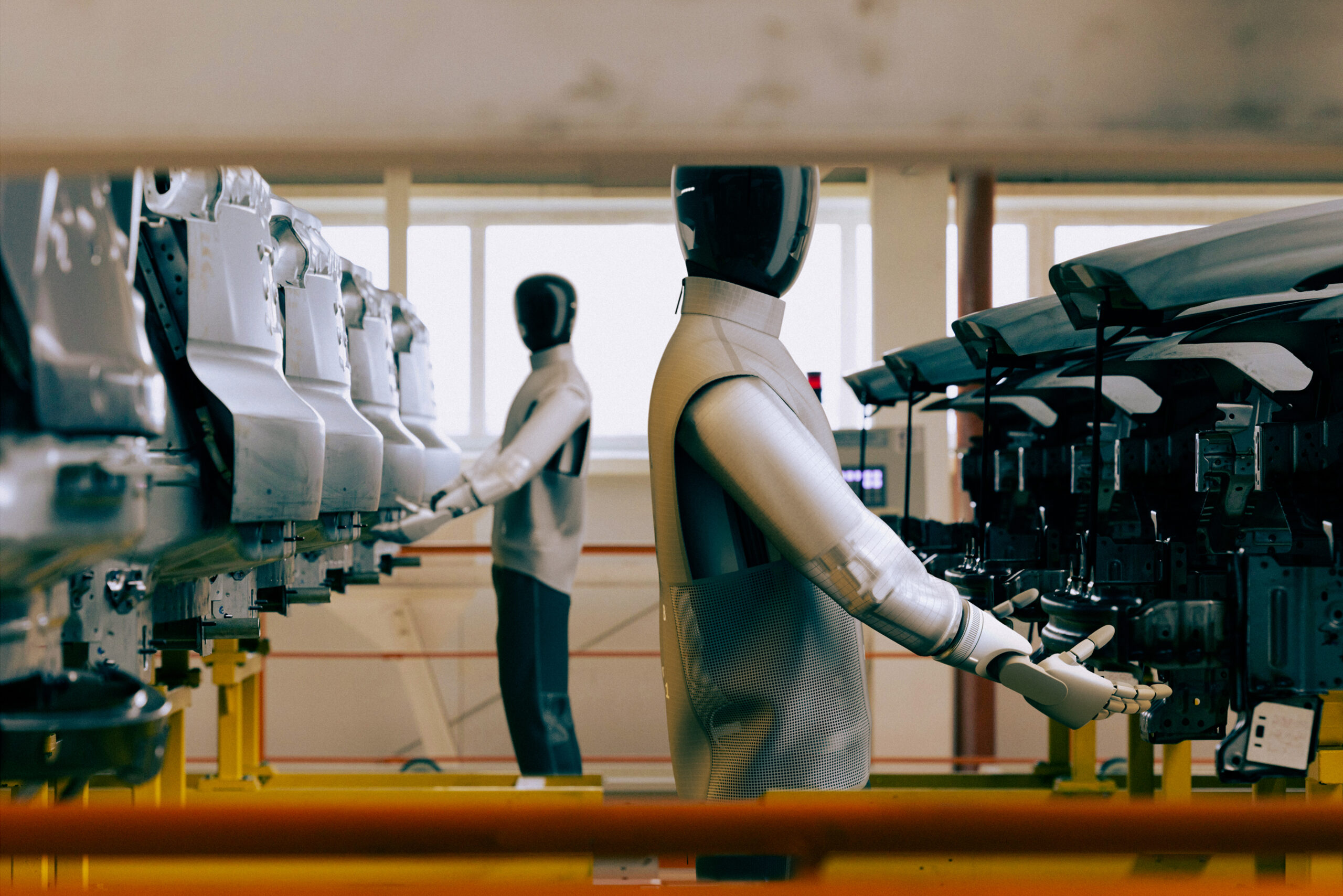

The evolution of robotics has ushered in a new era of possibilities. Among the most exciting frontiers is the realm of last-mile fulfillment, where the final step in delivering goods to consumers is taking center stage in the debate on efficiency and innovation. Humanoid robots, with their ability to navigate human-centric environments and perform complex tasks, are poised to dramatically reshape how goods reach consumers. But will they truly transform last-mile fulfillment, or is this merely a fleeting trend?
The Rise of Humanoid Robots: A New Era of Automation
Humanoid robots are often envisioned as machines that resemble humans in appearance and behavior. Unlike industrial robots, which are generally designed for repetitive, high-precision tasks in controlled environments, humanoid robots are built to interact with humans and navigate more dynamic, unpredictable environments. This ability to function in environments designed for humans—such as sidewalks, streets, homes, and stores—makes them ideal candidates for last-mile fulfillment.
The last mile is traditionally the most challenging part of logistics, as it involves delivering products from a central warehouse to the consumer’s doorstep. This stage is time-consuming and expensive, accounting for a significant portion of total shipping costs. While advancements in automation have already streamlined many aspects of fulfillment, humanoid robots introduce an extra layer of flexibility and efficiency. These robots can potentially reduce delivery times, cut operational costs, and tackle some of the most persistent logistical problems that e-commerce companies face today.
The Case for Humanoid Robots in Last-Mile Fulfillment
Humanoid robots possess several distinct advantages that could revolutionize the final delivery process. To understand their potential impact, it’s important to explore the core aspects that define last-mile fulfillment and how humanoid robots can address them.
1. Navigating Urban Environments with Precision
A key challenge in last-mile delivery is the complexity of urban environments. Roads are congested, pedestrian traffic is unpredictable, and environmental conditions like weather can throw a wrench in delivery schedules. Humanoid robots, unlike traditional delivery vehicles, are designed to interact with these environments. Equipped with advanced sensors, AI-powered navigation systems, and machine learning algorithms, these robots can navigate sidewalks, crosswalks, and even busy city streets. Their design, which mimics human movement and behavior, allows them to avoid obstacles, stop for pedestrians, and find their way through complicated urban spaces. This adaptability could provide a significant edge over autonomous vehicles, which are still limited by infrastructure and weather challenges.
2. Handling Complex Delivery Tasks
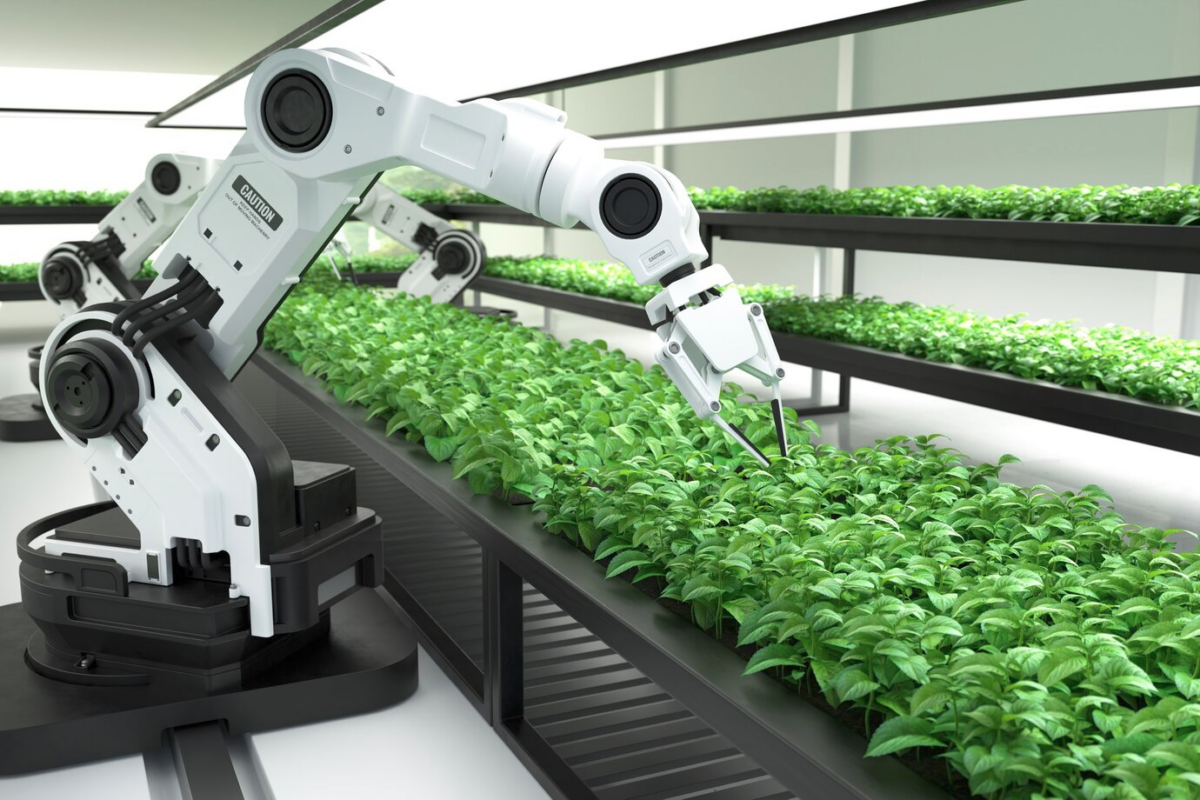
In addition to simply navigating urban landscapes, humanoid robots are capable of handling complex tasks that go beyond basic transportation. They are designed to perform fine motor tasks such as opening doors, handling packages of varying sizes, and interacting with consumers. For instance, instead of simply dropping a package off at the curb, a humanoid robot could potentially deliver it directly to a consumer’s door, retrieve a return package, or even interact with a smart home system to provide more seamless service. Such versatility makes humanoid robots an appealing option for companies looking to improve the quality of their last-mile services.
3. Reducing Labor Costs and Increasing Efficiency
Human labor remains a significant cost in last-mile fulfillment. Delivery drivers, warehouse staff, and field agents are essential to the process but are also expensive and time-consuming. Humanoid robots, on the other hand, promise a reduction in the dependency on human workers for the final leg of the delivery process. Robots can work around the clock, performing deliveries in high-traffic areas without the limitations of shift hours or fatigue. Over time, as robotic technology becomes more efficient, the need for human intervention could decrease, leading to lower labor costs and more efficient delivery processes.
Technological Advancements Driving Humanoid Robots
The possibility of humanoid robots transforming last-mile fulfillment relies on significant advancements in technology. While the idea may have once seemed like science fiction, we are now seeing rapid developments in areas such as artificial intelligence, robotics, and automation that are making these robots a reality.
AI and Machine Learning
Humanoid robots rely heavily on AI and machine learning to function in dynamic environments. These technologies allow the robots to learn from their experiences and continuously improve their decision-making processes. For example, a humanoid robot could use real-time data to choose the fastest route to a destination, adjusting its behavior based on traffic patterns, obstacles, and delivery constraints. Over time, AI enables the robot to optimize deliveries based on the specific needs of the customer, the location, and even preferences such as delivery times.
Advanced Sensors and Perception
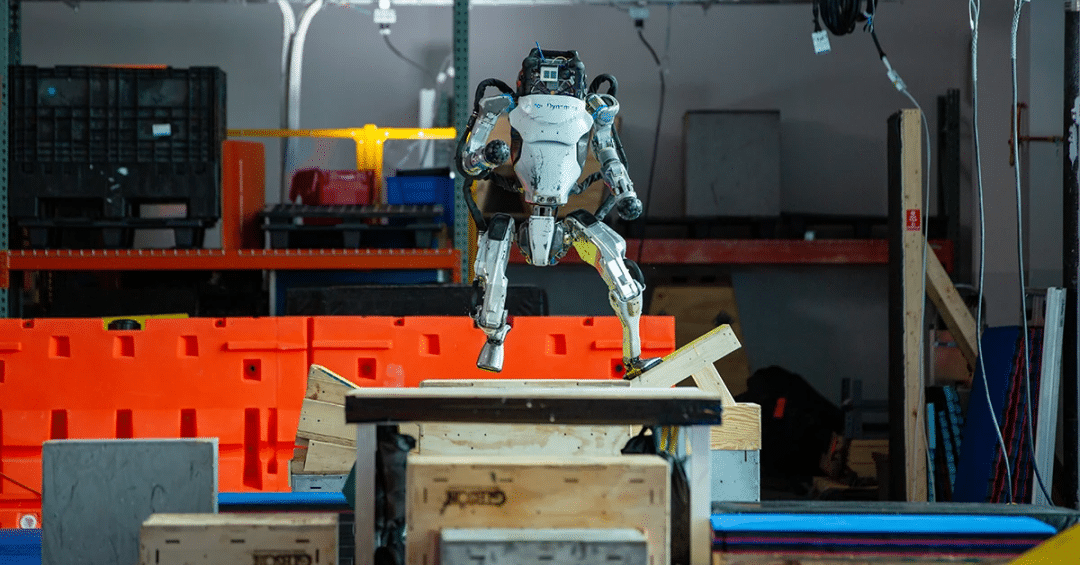
Sensors are another crucial element in making humanoid robots suitable for last-mile delivery. Equipped with cameras, LiDAR, radar, and other sensors, these robots can “see” their environment in three dimensions and make split-second decisions based on sensory input. This allows them to avoid obstacles, recognize pedestrians, navigate stairs or uneven terrain, and react to unforeseen changes in the environment, such as construction or road closures. The combination of sensors and AI gives these robots a level of perception that allows them to adapt to the unpredictability of urban delivery.
Robust Communication Systems
For humanoid robots to work efficiently in last-mile fulfillment, they need to communicate seamlessly with delivery management systems, customers, and other robots. Real-time communication, powered by cloud computing and 5G networks, allows humanoid robots to receive updates on delivery routes, customer preferences, and unexpected changes. These systems are crucial for managing fleets of humanoid robots and ensuring smooth coordination between robots and human operators.
Challenges on the Horizon
Despite the promising potential of humanoid robots, there are several hurdles to overcome before they can truly revolutionize last-mile fulfillment.
1. Cost and Accessibility
While the technology behind humanoid robots is advancing rapidly, it is still costly. Manufacturing, testing, and deploying humanoid robots at scale requires significant investment. This cost could be a barrier to widespread adoption, particularly for smaller businesses or in less economically developed regions. However, as the technology matures and production scales up, the costs are expected to decrease, making humanoid robots more accessible.
2. Safety and Regulation
The deployment of humanoid robots in public spaces raises important safety and regulatory questions. How do we ensure that these robots don’t harm pedestrians, cause accidents, or violate privacy? How should they interact with humans in a way that is ethical and trustworthy? Governments and regulatory bodies will need to develop guidelines and standards for the use of humanoid robots in public spaces, which may take years to implement. Without proper regulation, widespread adoption could be delayed, or robots could face resistance from the public.
3. Public Acceptance and Trust
While some consumers are excited by the idea of humanoid robots delivering their packages, others may be apprehensive about interacting with machines. Concerns over privacy, security, and the “humanization” of robots could lead to resistance or reluctance to adopt robotic deliveries. Overcoming this psychological barrier will require transparent communication, clear ethical guidelines, and consistent performance to build trust in humanoid robots.
The Future of Last-Mile Fulfillment: A Collaborative Approach
In the long run, it is unlikely that humanoid robots will completely replace human workers in last-mile fulfillment. Rather, they are more likely to work in tandem with human employees to improve efficiency and enhance the consumer experience. For example, humanoid robots could handle the routine tasks of package delivery, while human workers focus on customer service, troubleshooting, and other areas that require emotional intelligence or nuanced decision-making.
Moreover, as the robotics industry continues to evolve, we may see new types of robots that complement humanoid robots in fulfilling the last-mile gap. Hybrid solutions combining robots and drones or robots and autonomous vehicles could become commonplace, forming an integrated ecosystem for efficient, customer-centric deliveries.
Conclusion
Humanoid robots are poised to transform last-mile fulfillment by offering unprecedented efficiency, precision, and flexibility. While the road to widespread adoption will not be without challenges—such as cost, regulation, and public trust—the potential benefits are too significant to ignore. As the technology behind these robots continues to improve, we can expect to see more humanoid robots on the streets, making deliveries faster, safer, and more convenient for consumers. The future of last-mile fulfillment is no longer a question of if humanoid robots will play a role, but when.