









In the fast-evolving world of warehouse automation, humanoid robots are playing an increasingly significant role. Combining advanced humanoid robotics with Warehouse Management Systems (WMS) and Cloud Robotics platforms, industries are embarking on a revolutionary path toward highly efficient, adaptive, and intelligent operations. The integration of humanoid robots with these systems not only streamlines workflows but also elevates the overall performance of logistics, inventory control, and human-robot interaction in industrial environments.
This article explores the integration process, benefits, and challenges of humanoid robots in WMS and Cloud Robotics platforms, while diving into the broader implications of this technology.
Understanding Humanoid Robots in the Context of WMS & Cloud Robotics
A humanoid robot, by definition, is designed to resemble the human form and may possess two arms, legs, a head, and an interactive interface. These robots are more than just tools for automation—they can interact with their environment, learn from it, and adapt to tasks in real-time, mimicking human behaviors. When coupled with WMS and Cloud Robotics, humanoids become critical agents of change in the supply chain, significantly boosting efficiency and responsiveness.
Warehouse Management System (WMS) is a software solution used by warehouses and distribution centers to manage inventory, track products, and control the movement of goods. Cloud Robotics, on the other hand, refers to the integration of cloud computing with robotic systems, enabling robots to share data and learn from each other while working in real-time. The collaboration of humanoid robots, WMS, and Cloud Robotics platforms can facilitate a seamless, scalable, and more intelligent logistics operation.
Key Benefits of Integration
1. Increased Efficiency and Reduced Human Error
Humanoid robots, when connected to WMS and cloud platforms, significantly enhance warehouse productivity. Their ability to move autonomously, pick items, restock shelves, and interact with storage systems allows for faster and more accurate operations. Unlike humans, robots don’t suffer from fatigue or distractions, leading to a drastic reduction in human errors—an area where even minor mistakes can cause significant delays and cost overruns.

2. Real-Time Data Processing and Decision Making
Cloud Robotics allows humanoid robots to communicate with other machines and systems in real-time. This interconnectedness enables instantaneous processing of data regarding inventory levels, order status, and stock locations, which is pivotal for ensuring smooth operations. WMS platforms, integrated with cloud-based systems, enhance the robots’ capabilities by providing up-to-date information, ensuring they make decisions based on the most recent data.
3. Scalability
Cloud Robotics platforms offer flexibility and scalability, which means that as a business expands, so can its robotic workforce. Instead of manually programming each robot to handle different tasks, cloud-based systems can update and optimize tasks across multiple humanoids in real-time. This leads to more efficient task management and a higher level of adaptability as demand fluctuates.
4. Autonomous Learning and Adaptation
One of the standout features of humanoid robots is their ability to learn from their environment. Cloud Robotics enables these robots to process massive datasets, thereby allowing them to adapt to new tasks without human intervention. For example, if a humanoid robot is tasked with picking up a new type of item, it can immediately access data from the cloud to learn how to handle that item more efficiently.
5. Human-Robot Interaction (HRI)
Humanoid robots excel in human-robot interaction, which is crucial in environments where robots must cooperate with human workers. Thanks to their human-like design, these robots can communicate and collaborate with warehouse staff more intuitively. For instance, humanoid robots can signal when they need assistance or even be programmed to react to changes in human behavior, enhancing the user experience in industrial environments.
How Integration Works: The Technical Side
Connecting Humanoids to WMS
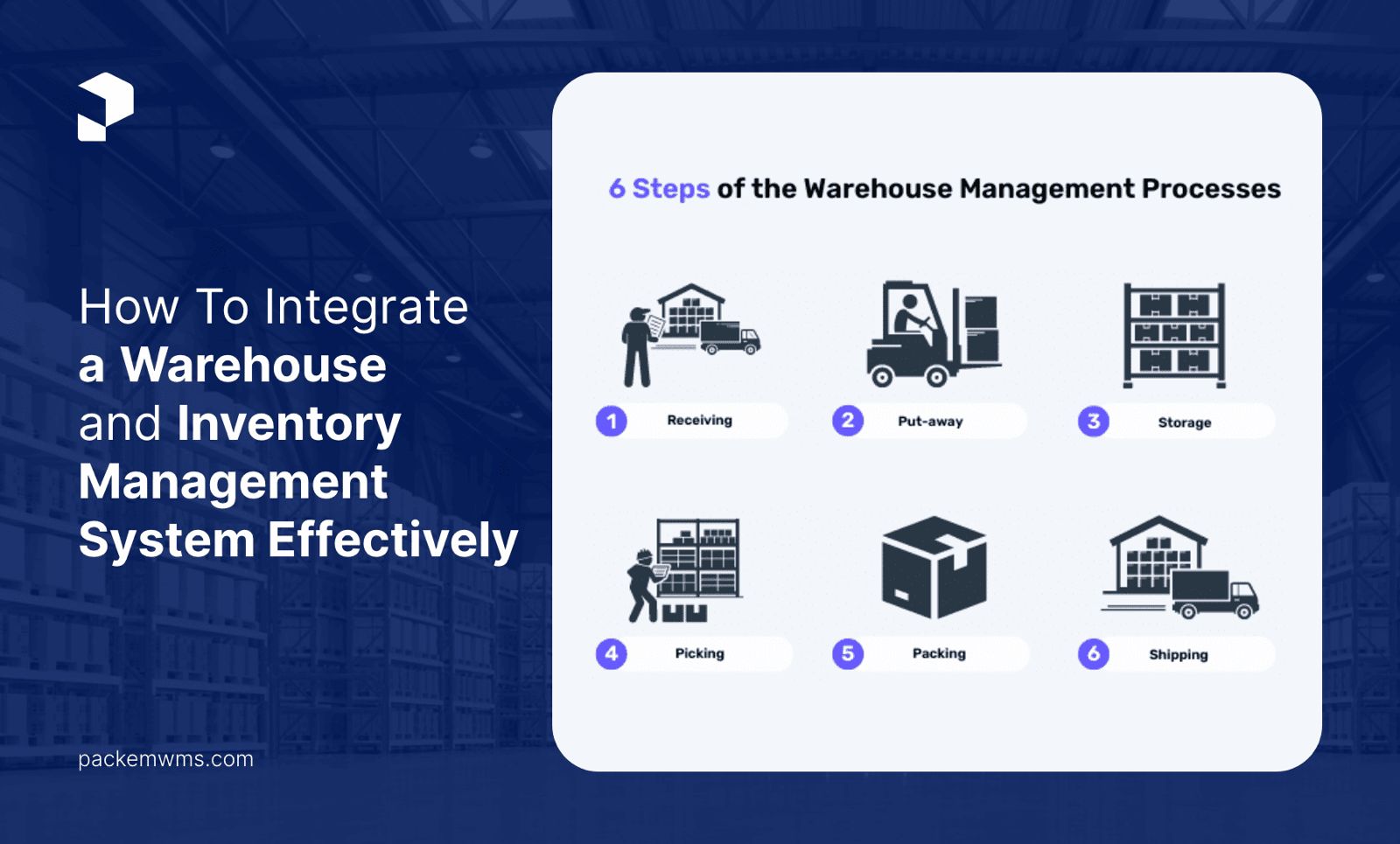
The integration of humanoid robots into WMS requires seamless communication between the robot’s operating system and the WMS platform. WMS systems usually include several functions, such as order picking, inventory tracking, and warehouse layout management. A humanoid robot can access this information through an API or middleware, enabling it to move autonomously through the warehouse, collect and deliver goods to the correct locations, and communicate the status of items in real-time.
For instance, when a humanoid robot is directed to pick up a particular SKU (stock-keeping unit), the WMS can guide the robot on the best route through the warehouse to retrieve the item, avoiding congestion and optimizing travel time. Additionally, the robot can automatically update the WMS on the inventory status once an item is picked, ensuring the system’s real-time accuracy.
Leveraging Cloud Robotics
Cloud Robotics enhances the capabilities of humanoid robots by enabling them to access and process data stored remotely. Instead of relying on local computing power, the robot taps into a cloud platform that allows it to offload computationally intensive tasks, such as path planning, image recognition, or large-scale data analysis. Cloud-based systems also ensure that the robot is always running the latest software and has access to continuous updates, reducing the need for manual reprogramming.
For example, when a humanoid robot is involved in quality control, it can use cloud-based image recognition tools to identify damaged goods or improperly labeled items. The robot can then relay the information to the WMS, which can trigger corrective actions, such as initiating a return process or notifying warehouse staff to resolve the issue.
Real-Time Data Sharing and Collaborative Learning
One of the key aspects of Cloud Robotics is collaborative learning. Humanoid robots, when connected to the cloud, can share data and learn from one another. For example, a robot that encounters a new situation or learns a new task can upload its findings to the cloud, where other robots can access and use this new knowledge. This collaborative learning approach enhances efficiency by minimizing the learning curve for each robot deployed within the system.
In the case of warehouses with multiple humanoid robots, this collective knowledge-sharing reduces the risk of repeated errors across the system, enabling faster adaptation and continuous optimization.
Overcoming Challenges in Integration
1. Security and Data Privacy
While the integration of humanoid robots with WMS and cloud platforms offers many advantages, it also raises concerns about data security and privacy. The real-time data flow between robots, cloud platforms, and WMS systems must be secure to prevent unauthorized access or cyberattacks. Ensuring that data is encrypted and that strong cybersecurity measures are in place is crucial for protecting sensitive business information and customer data.
2. Hardware and Software Compatibility
The integration of humanoid robots with WMS and cloud platforms may face compatibility challenges, particularly when it comes to aligning different software versions or hardware configurations. To mitigate this, developers must design interoperable systems and ensure that robots are equipped with the necessary sensors and communication protocols to interface seamlessly with the WMS.
3. Cost and Maintenance
While the initial investment in humanoid robots can be significant, the long-term benefits typically outweigh the costs. However, the maintenance and operational costs can add up, particularly if the robots need to be upgraded or repaired regularly. Additionally, businesses need to consider the cost of ensuring continuous updates and support for the integrated systems.
4. Human-Robot Collaboration
Despite the advanced capabilities of humanoid robots, they are still designed to work alongside humans, not replace them. Successful integration requires balancing the roles of robots and human workers to optimize the overall workflow. Ensuring that human employees are trained to work with robots and fostering collaboration between the two is key to maximizing the benefits of humanoid robots.
The Future of Humanoid Robots in WMS and Cloud Robotics
As technology continues to advance, the integration of humanoid robots with WMS and Cloud Robotics platforms will become more sophisticated. In the future, these robots will likely become even more autonomous, capable of handling increasingly complex tasks with minimal human oversight. Additionally, with the rise of AI and machine learning, humanoid robots will continue to improve their decision-making abilities, enhancing their role in warehouse management.
1. Predictive Maintenance
Through the integration of sensors and cloud data analytics, humanoid robots will be able to predict potential maintenance needs before they become critical issues. By identifying wear and tear or system malfunctions early, businesses can reduce downtime and avoid costly repairs.
2. Expanded Roles
The potential for humanoid robots to take on more specialized roles—such as sorting, packaging, and assembly—will further enhance their utility in WMS environments. This evolution will enable warehouses to operate with fewer human workers while still maintaining a high level of efficiency.
3. Collaborative Robots in Complex Environments
In the long term, humanoid robots will work in tandem with other automated systems, such as drones and autonomous vehicles, to perform complex, multi-step tasks. The full integration of these robots into a global logistics network could lead to the creation of entirely automated supply chains.