








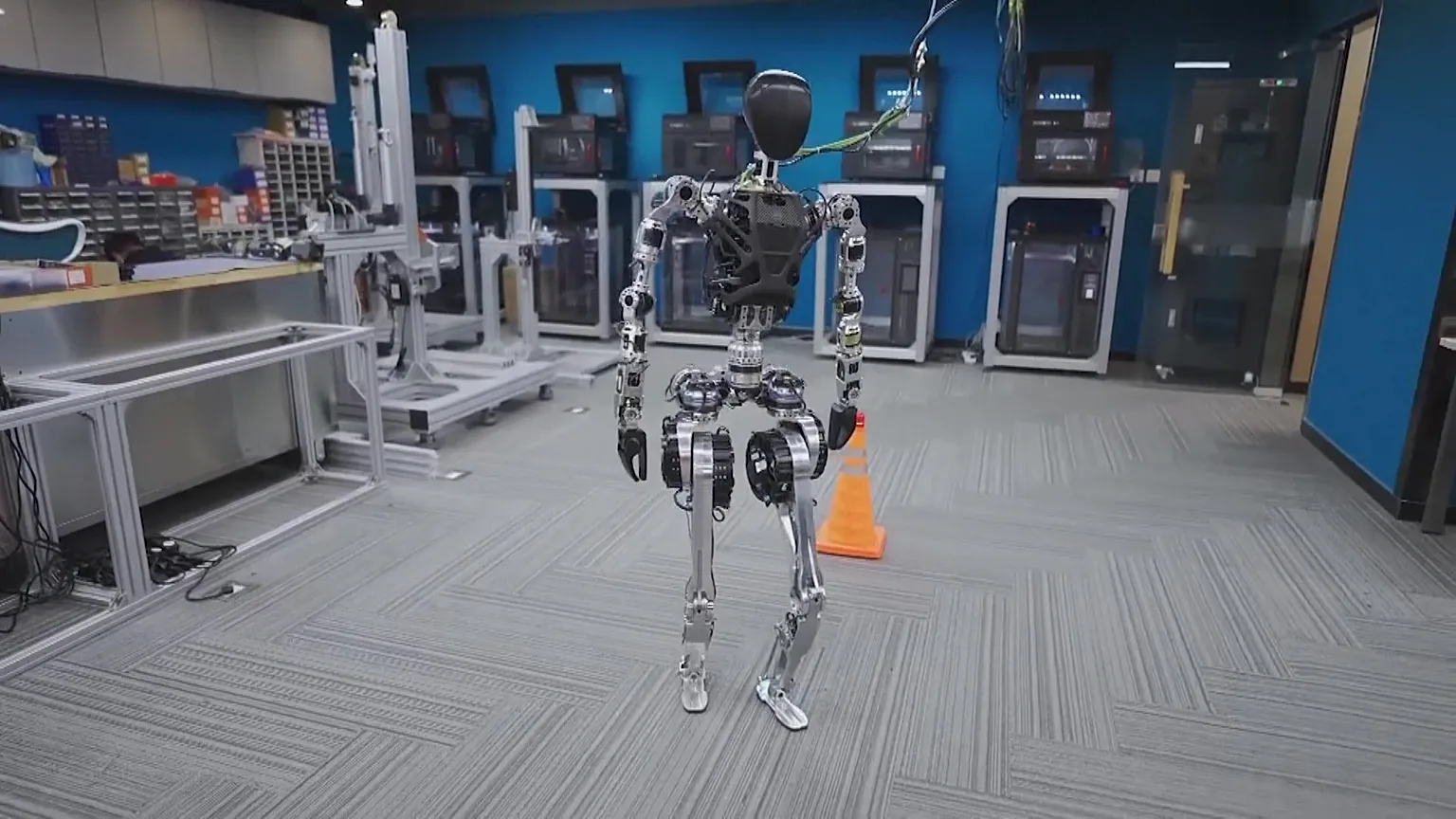

In the evolving landscape of healthcare, the introduction of humanoid robots has sparked curiosity and excitement. Their potential to assist nurses and free up valuable clinical time has raised significant interest across the medical and technological sectors. As the healthcare industry grapples with rising patient numbers, staff shortages, and increasing demands for high-quality care, humanoid robots may offer a timely solution. But how exactly can these robots help, and what are the implications of integrating them into clinical settings? In this article, we will explore the capabilities, challenges, and ethical considerations of humanoid robots in healthcare, shedding light on their role in assisting nurses and enhancing patient care.
The Role of Humanoid Robots in Healthcare
Humanoid robots, designed to resemble human appearance and movement, have the ability to interact with humans in a more intuitive and natural way compared to traditional machines. Their presence in healthcare environments, particularly in nursing roles, is rapidly growing. They can perform a range of tasks from basic patient interaction to advanced medical assistance, providing much-needed support to healthcare professionals.
1. Basic Tasks and Administrative Support
Nurses spend a significant portion of their time on administrative duties, such as logging patient information, updating electronic health records, and managing appointments. These repetitive tasks can be time-consuming and mentally taxing. Humanoid robots, equipped with advanced AI and voice recognition systems, can assist in automating these administrative tasks. For instance, they can record patient vitals, update records, or even remind nurses about scheduled procedures. By handling these routine chores, humanoid robots free up nurses to focus more on direct patient care.
Moreover, humanoid robots can serve as receptionists, guiding patients through hospital corridors, checking in patients upon arrival, and providing information about the hospital’s services. They can also answer basic questions from patients or visitors, further reducing the administrative burden on nursing staff.
2. Patient Interaction and Monitoring
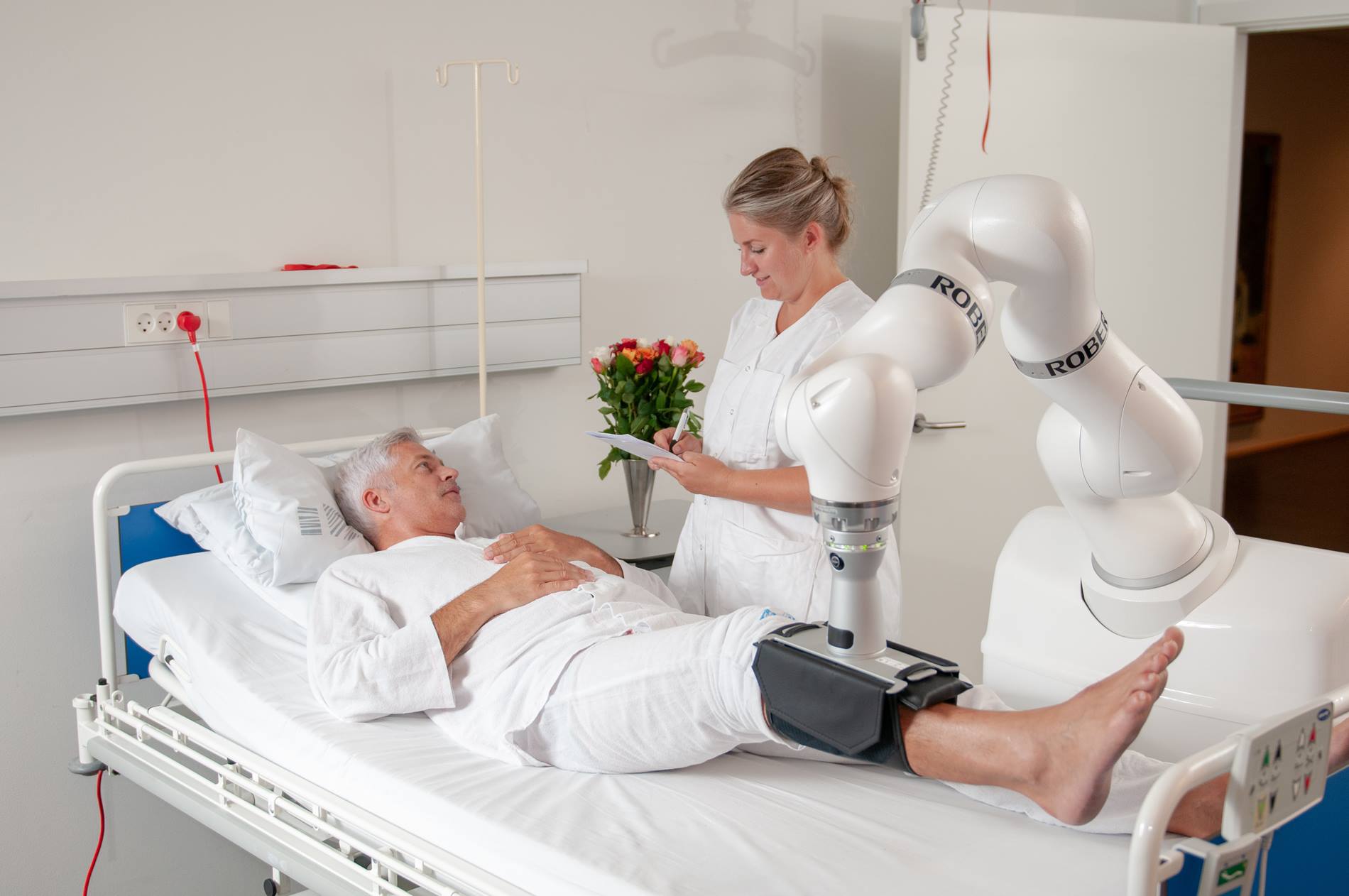
Humanoid robots, equipped with sensors and cameras, can assist nurses in monitoring patients in real time. They can track vital signs, such as blood pressure, heart rate, and temperature, and provide immediate feedback to medical staff if readings fall outside normal ranges. Additionally, robots can help with patient mobility, assisting those who are bedridden or unable to walk unaided.
By offering companionship to isolated patients, robots can also alleviate emotional distress. For elderly patients in long-term care, for example, humanoid robots can engage in light conversation, play music, or even remind them to take medications. This emotional interaction can significantly improve the well-being of patients who might otherwise feel lonely or neglected.
3. Surgical Assistance
While humanoid robots may not directly perform surgery, they can assist during complex procedures. Surgical robots, which are a more specialized form of humanoid robots, can help with precision tasks. For example, robots equipped with robotic arms can assist in minimally invasive surgeries by offering greater accuracy and steadiness than human hands. These robots can also provide real-time feedback to surgeons, improving surgical outcomes and reducing the risk of complications.
Humanoid robots can be instrumental in the operating room by assisting with the preparation of tools and equipment, ensuring the surgical team has everything needed before, during, and after a procedure.
Benefits to Nurses and Healthcare Workers
The introduction of humanoid robots into healthcare settings can offer a multitude of benefits for nurses and healthcare workers. Nurses, in particular, are the backbone of healthcare delivery, often working long hours under stressful conditions. The potential advantages humanoid robots bring to these professionals cannot be overstated.
1. Increased Efficiency
With the assistance of humanoid robots in non-clinical tasks, nurses can concentrate on more complex aspects of care. For example, robots that handle documentation or basic patient monitoring reduce the administrative load on healthcare workers, allowing them to devote more time to tasks like patient assessment, caregiving, and treatment. This can lead to higher efficiency in the workplace and better use of healthcare resources.
2. Reduction of Burnout
Nurses are often faced with high levels of stress and burnout due to the emotional and physical demands of their profession. The assistance of humanoid robots can help alleviate some of this burden by reducing repetitive and physically taxing tasks. By delegating administrative and logistical duties to robots, nurses have more time to focus on patient care, which can lead to increased job satisfaction and a decrease in burnout rates.
3. Support in High-Pressure Situations
In emergency or high-pressure situations, humanoid robots can provide critical support. For example, robots equipped with AI systems can assist in triaging patients, assessing the severity of injuries, and prioritizing cases based on urgency. They can also help by supplying necessary medical equipment or guiding patients to the appropriate areas within the hospital. This support can streamline the workflow, ensuring that the most critical cases are addressed quickly and effectively.

Challenges in the Integration of Humanoid Robots
Despite the promising advantages, the integration of humanoid robots into healthcare systems presents several challenges that need to be addressed.
1. Cost and Accessibility
The implementation of humanoid robots in healthcare comes at a significant financial cost. While the initial investment may be high, it is important to consider the long-term benefits that robots can bring. However, for many healthcare institutions, especially smaller ones or those in developing countries, the cost of humanoid robots may be prohibitive. Finding ways to make these robots more affordable and accessible will be key to their widespread adoption.
2. Training and Adaptation
For healthcare workers to fully benefit from humanoid robots, adequate training must be provided. Nurses and medical staff need to understand how to operate and interact with these robots effectively. This will require time, effort, and resources to ensure seamless integration into existing healthcare workflows. Additionally, patients may also need time to become accustomed to the presence of robots in their care, especially in more intimate or sensitive settings.
3. Ethical and Social Concerns
The use of humanoid robots in healthcare raises several ethical questions. One major concern is the impact of robots on the human aspect of care. While robots can assist with medical tasks, they cannot replace the emotional intelligence, empathy, and compassion that human nurses bring to the table. There is also the concern of patient privacy, as robots equipped with cameras and sensors may unintentionally breach confidentiality or collect sensitive data.
Furthermore, some argue that the increased reliance on robots could lead to job displacement. While robots may assist nurses in their work, they are unlikely to replace the need for human caregivers entirely. The potential consequences of these changes to the healthcare workforce need to be carefully considered and addressed.
4. Safety and Reliability
Humanoid robots, like all technology, can be prone to malfunctions or errors. In a healthcare setting, the stakes are high, and even minor failures can have significant consequences. Ensuring the reliability and safety of humanoid robots is crucial to maintaining patient trust and avoiding accidents. Rigorous testing, maintenance, and oversight are necessary to ensure that robots function effectively and safely in clinical environments.
The Future of Humanoid Robots in Healthcare
Looking ahead, the role of humanoid robots in healthcare is likely to expand. With continued advancements in artificial intelligence, robotics, and automation, the capabilities of humanoid robots will only improve. These robots will become more adept at understanding human emotions, responding to medical needs, and working alongside healthcare professionals. While they may never fully replace human caregivers, their assistance will likely become an integral part of the healthcare ecosystem.
As healthcare systems continue to evolve, humanoid robots could play a significant role in addressing staffing shortages, improving efficiency, and enhancing the quality of care. Their ability to perform administrative tasks, monitor patients, and assist with surgeries could ease the burden on nurses and healthcare workers, allowing them to focus on the critical aspects of patient care.
Ultimately, the successful integration of humanoid robots into healthcare will depend on overcoming the challenges outlined above. Addressing issues such as cost, training, ethics, and reliability will be essential to ensuring that these robots can truly live up to their potential in improving healthcare delivery. By combining the strengths of human caregivers with the capabilities of humanoid robots, we could witness a new era of healthcare that is more efficient, compassionate, and patient-centered.