








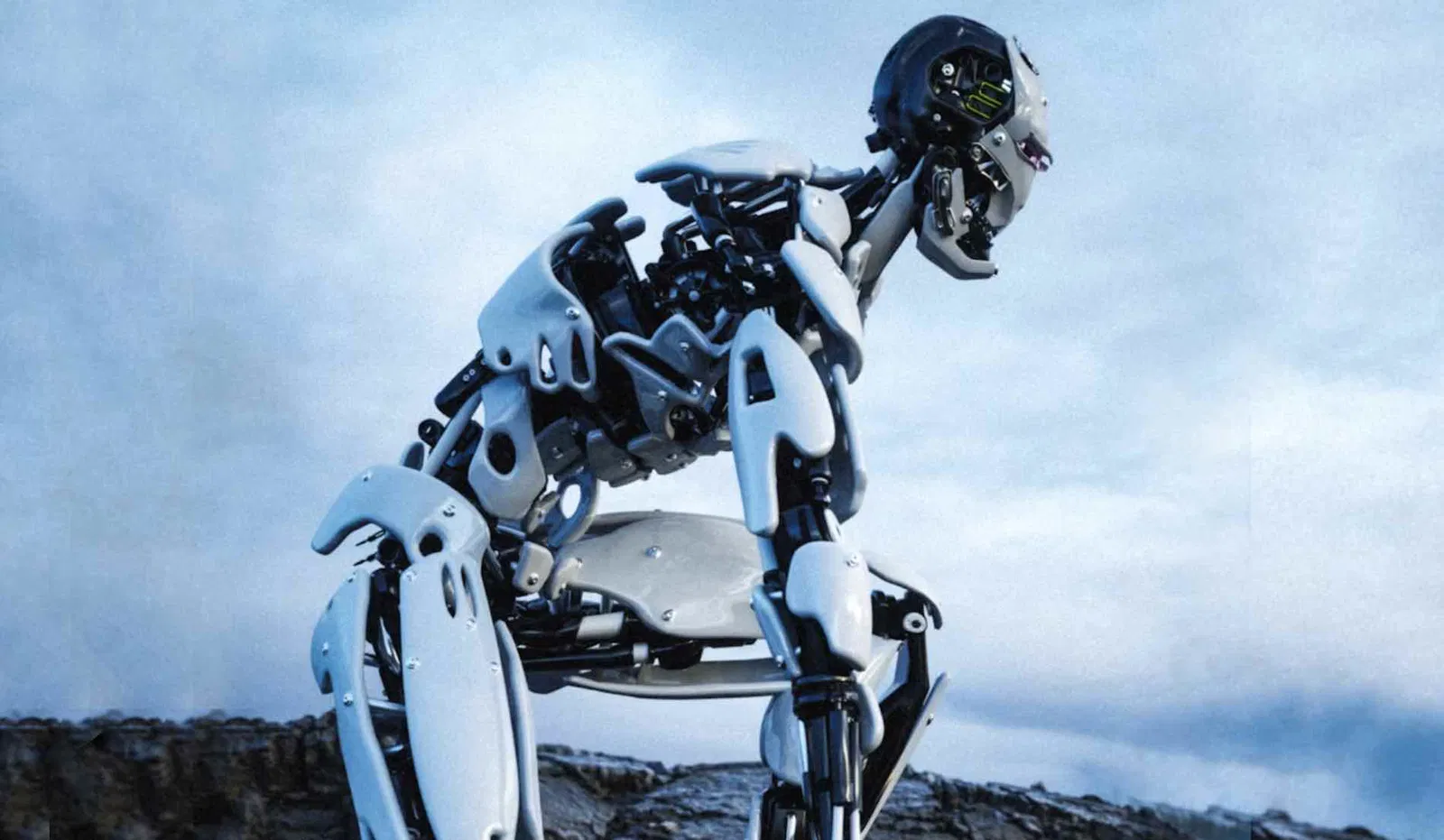

The rise of humanoid robots in retail spaces is no longer a distant vision from sci-fi movies—it’s becoming a reality. As automation continues to evolve and artificial intelligence (AI) pushes boundaries, the question arises: Are humanoids truly ready to replace human guides in retail spaces? With their ability to engage customers, provide personalized recommendations, and offer seamless shopping experiences, humanoid robots are increasingly being seen as potential replacements for human employees. But are they ready to take over entirely, or is there still a gap to bridge?
In this article, we’ll dive into the capabilities, challenges, and implications of humanoids in retail environments. From the technological advancements behind their development to the societal impacts of such automation, let’s explore if humanoids are truly poised to become the next generation of retail assistants.
The Rise of Humanoid Robots in Retail
Humanoid robots—machines designed to look and act like humans—are making significant strides in various industries, and retail is no exception. Over the past few years, companies like SoftBank Robotics, Hanson Robotics, and Toyota have unveiled robots designed to assist in customer service roles. Some humanoid robots are equipped with advanced AI algorithms that allow them to understand natural language, recognize faces, and even express emotions through facial expressions and voice modulation.
In retail environments, humanoids can perform a variety of functions. For instance, they can greet customers at the entrance, provide store navigation, recommend products based on customer preferences, and handle simple transactions. But what makes humanoids particularly compelling in retail is their ability to offer an engaging and interactive experience that can rival human employees. Unlike traditional kiosks or digital assistants, humanoids can make the shopping experience feel more personalized and human-like.
The Technological Edge: What Can Humanoids Do?
Humanoid robots in retail spaces are equipped with a range of technologies that enhance their capabilities. These include:
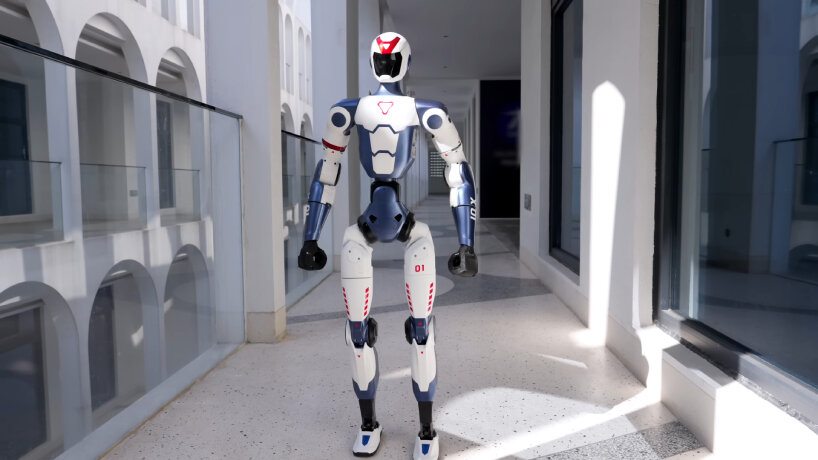
- Artificial Intelligence (AI): AI algorithms allow humanoid robots to process natural language, understand customer queries, and even recognize emotions based on facial expressions or voice tone. They can analyze past interactions to offer tailored recommendations, making them seem more intuitive than traditional self-checkout systems or static digital screens.
- Facial Recognition: Many humanoids can identify repeat customers and offer personalized services or discounts based on their shopping history. Facial recognition can also be used for security purposes, ensuring that the right individuals receive the right kind of service.
- Speech and Emotional Recognition: Some humanoids have advanced speech recognition capabilities, allowing them to hold conversations with customers. Beyond that, emotional recognition algorithms enable them to detect mood changes in shoppers, adapting their responses accordingly to enhance customer satisfaction.
- Mobile Integration: Many humanoid robots are designed to integrate with mobile apps, allowing customers to check out, request product availability, or even get directions to specific items within the store. This seamless integration creates an omnichannel experience, where online and offline shopping interact fluidly.
- Robotics and Mobility: Humanoid robots can navigate the store, move between aisles, and approach customers without requiring constant supervision. Their ability to walk, interact, and adapt to changes in their environment makes them more versatile than static digital displays or traditional assistants.
The Benefits of Humanoids in Retail
While the technological aspects of humanoids are impressive, the real value comes from how they enhance the customer experience. Here are some key benefits:
- 24/7 Availability: Humanoids don’t require breaks, sleep, or holidays. They can work around the clock, ensuring that customers always have access to help, regardless of the time of day.
- Consistent Customer Service: Unlike human employees, who may have varying levels of energy or mood depending on the time of day, humanoids provide a consistent and predictable level of service. This can result in a higher level of customer satisfaction, as shoppers are assured they’ll receive the same quality of help every time.
- Cost Savings: While the initial investment in humanoid robots may be high, over time, they can significantly reduce labor costs. Retailers no longer need to hire as many human staff members for roles like greeting customers, answering common questions, or handling routine tasks. This allows human employees to focus on higher-value activities, such as complex problem-solving or customer relationship-building.
- Personalization at Scale: Humanoids’ ability to analyze customer data and make tailored recommendations in real time allows retailers to provide personalized shopping experiences. Whether recommending a jacket that matches a customer’s previous purchase or suggesting a gift based on preferences, humanoids can replicate—and even surpass—human-level personalization.
- Innovation and Brand Differentiation: Implementing humanoid robots in a retail space demonstrates a commitment to innovation. For many brands, offering a futuristic, cutting-edge experience can enhance their brand image and attract tech-savvy customers looking for a unique shopping experience.
The Challenges and Limitations

Despite their potential, humanoids are far from perfect. There are several challenges and limitations to consider when implementing humanoids in retail spaces:
- High Initial Costs: The upfront investment in humanoid robots is significant. This includes not only the cost of purchasing the robots but also the expense of setting up the infrastructure needed to support them. Retailers must weigh the long-term cost savings against the initial financial outlay.
- Technical Malfunctions: Like any technology, humanoid robots are prone to malfunctions. Whether it’s a glitch in the AI system, an issue with the mobility features, or an error in facial recognition, technical failures can disrupt the customer experience and damage the store’s reputation.
- Social and Ethical Implications: The use of humanoid robots raises important ethical questions. For instance, will customers become uncomfortable interacting with machines that mimic human behavior too closely? How will the widespread use of humanoid robots affect employment opportunities, particularly for low-wage workers in retail environments?
- Lack of Emotional Intelligence: While humanoids can recognize emotions and adjust their responses accordingly, they still lack the depth of emotional intelligence that a human employee can offer. For example, a humanoid might recognize when a customer is frustrated but may not be able to truly empathize or handle complex, emotionally charged situations like a human would.
- Privacy Concerns: With technologies like facial recognition and mobile integration, humanoids in retail spaces raise privacy concerns. Customers may feel uncomfortable knowing their faces are being scanned, or their purchasing behaviors are being tracked and analyzed. Retailers will need to implement strong data protection measures to ensure customers feel safe while interacting with these robots.
- Human Touch: One of the key limitations of humanoid robots is their inability to replicate the nuanced human touch that many customers value in service interactions. Empathy, judgment, and a personal connection are elements that robots struggle to convey effectively.
The Future: Human and Robot Collaboration
Rather than fully replacing human guides in retail spaces, the most likely scenario is a collaboration between humans and humanoid robots. Humanoids can handle repetitive, mundane tasks, such as answering FAQs, guiding customers to specific locations, and checking out purchases. This would free up human employees to focus on more complex customer needs, like problem-solving, emotional support, and personal consultations.
This human-robot hybrid model could improve efficiency and customer satisfaction while maintaining the warmth and empathy that humans bring to the table. Moreover, it would allow retail workers to focus on more intellectually stimulating tasks, rather than the monotonous duties that often lead to burnout.
Conclusion: Are Humanoids Ready?
Humanoid robots are undeniably making their mark in retail, offering an exciting glimpse into the future of customer service. While they offer several advantages, including 24/7 availability, consistency, and personalized experiences, they are not yet capable of fully replacing human guides in retail spaces. The technology has a long way to go in terms of emotional intelligence, human-like interaction, and ethical considerations.
The most promising path forward is one of collaboration, where humanoid robots enhance, rather than replace, the role of human employees. By leveraging the strengths of both human and machine, retailers can create a more efficient, innovative, and engaging shopping environment for customers.
As the technology evolves, it will be crucial for retailers to balance innovation with customer trust and ethical considerations. Only time will tell whether humanoids will become commonplace in retail spaces, but for now, they are certainly a glimpse into the future of customer service.