








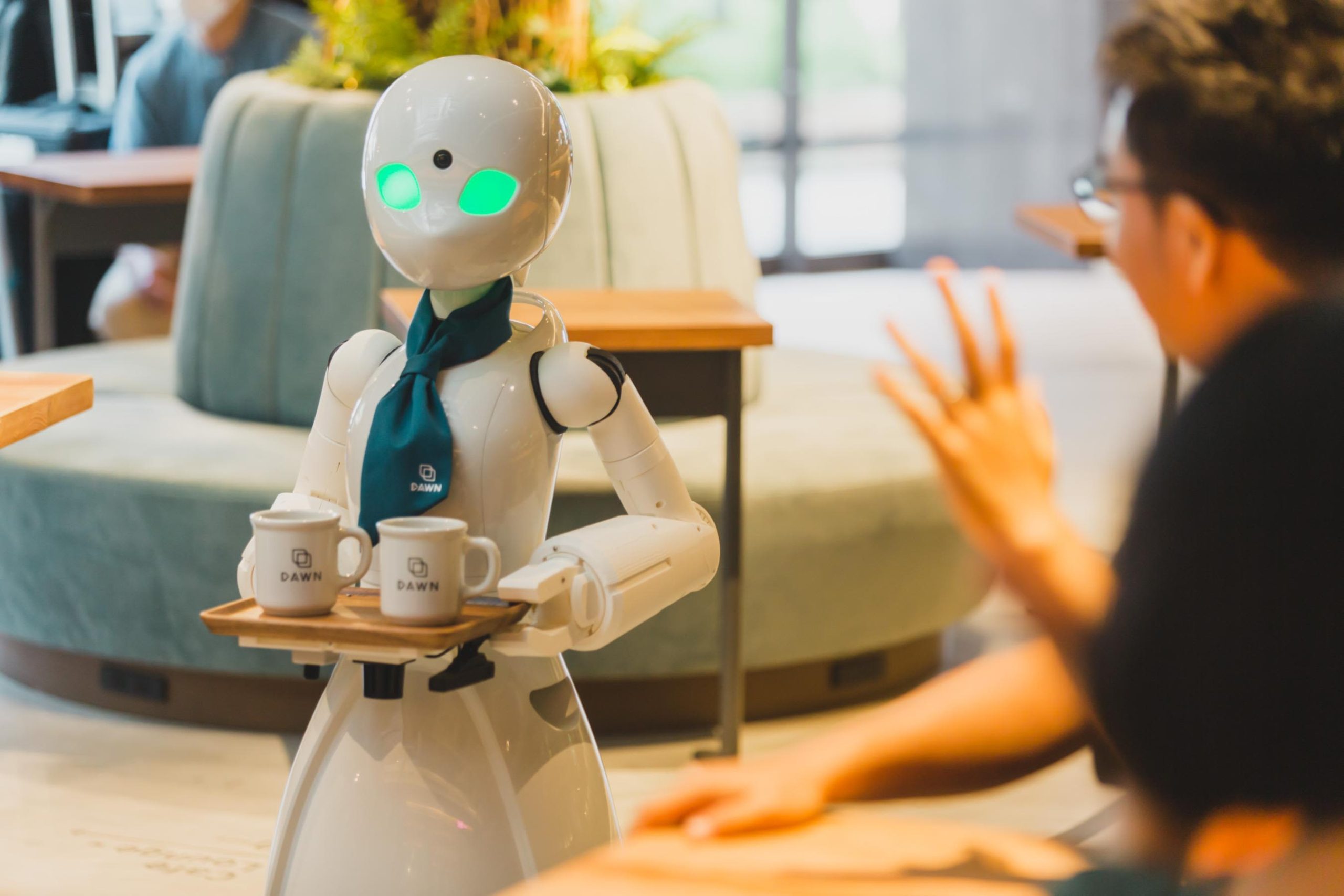

In an era where technology is revolutionizing nearly every facet of daily life, hotels are beginning to experiment with robots that have human-like appearances to enhance the guest experience. These “humanoid robots” are designed to interact with guests in a more personable and engaging manner, blurring the lines between the mechanical and human elements of hospitality. The question remains: will robots with human appearance truly improve guest satisfaction in hotels?
In this article, we will explore the impact of humanoid robots on the hotel industry, considering their potential benefits, the challenges they present, and the broader implications for both guests and hospitality staff. Through a combination of cutting-edge technology, thoughtful design, and emerging trends, humanoid robots are poised to transform the way we think about customer service in the hospitality industry.
The Rise of Robots in Hospitality
Before delving into whether humanoid robots can improve guest satisfaction, it’s essential to examine how robots have already integrated into the hospitality industry. Over the last few years, various hotels across the globe have begun experimenting with robots, albeit in limited capacities. In Japan, for instance, the Henn-na Hotel made headlines for employing robots in a variety of roles, from receptionists to cleaners. While these robots may not have human-like appearances, they were the first wave of automation in the hospitality sector.
As technology advances, however, the industry is now moving towards more sophisticated humanoid robots with human-like faces, expressions, and gestures. These robots are capable of not only performing mechanical tasks like luggage handling or room service delivery but also engaging in meaningful interactions with guests. The question is, how will these robots affect the overall guest experience?
The Science Behind Human-Like Robots: What Makes Them Effective?
Human-like robots, or “humanoids,” are designed with the goal of mimicking human behavior and appearance. These robots usually have faces, hands, and bodies that resemble human beings, equipped with sensors, cameras, and AI-driven systems that enable them to interact with people in real time. The effectiveness of these robots relies on several key components:
- Facial Expressions and Gestures: One of the critical elements that can improve guest satisfaction is the robot’s ability to express emotions through facial expressions. Advances in robotics and AI have made it possible for humanoid robots to convey a wide range of emotions, making them seem more empathetic and personable. A smiling robot or one that shows signs of recognition can create an environment of warmth, which is crucial in the service industry.
- Voice Interaction: With natural language processing (NLP), humanoid robots are becoming adept at understanding and responding to guest inquiries. These robots can hold conversations, answer questions, and even entertain guests with jokes or personal anecdotes, making the experience more engaging than dealing with an automated voice system.
- Visual and Sensory Recognition: Humanoid robots use cameras and sensors to perceive the environment and identify guests. They can recognize faces and track movements, ensuring personalized and seamless service delivery.
Benefits of Human-Like Robots for Guest Satisfaction

1. Personalized Experience
One of the primary benefits of humanoid robots is their ability to provide a personalized experience for guests. Through facial recognition and voice recognition, these robots can remember past guests and tailor their interactions to suit individual preferences. For example, a humanoid robot could greet a returning guest by name, ask about their previous stay, or offer recommendations based on previous choices.
In an age where personalization is key to customer satisfaction, humanoid robots can ensure that guests feel valued and understood. By combining AI and human-like interaction, they can create an experience that feels more authentic, even though it is powered by automation.
2. 24/7 Availability
Unlike human staff, robots do not need breaks or sleep, making them ideal for providing round-the-clock service. Humanoid robots can greet guests, provide information, handle check-ins, and deliver room service at any time of day or night. This constant availability is especially beneficial for international travelers in different time zones or guests with late check-ins.
3. Efficiency and Precision
Robots are programmed to perform tasks with high precision and speed. They can assist guests with room service delivery, guide them to specific locations within the hotel, and ensure that tasks are completed quickly and accurately. This increases operational efficiency, which, in turn, can lead to higher guest satisfaction.
For example, a humanoid robot might be programmed to provide directions to the pool, deliver towels, or bring room amenities. Their ability to perform these tasks without delay adds a layer of convenience that human staff cannot always match.
4. Safety and Hygiene
In a post-pandemic world, hygiene and safety have become top priorities for many travelers. Robots can assist in maintaining cleanliness, deliver disinfecting wipes, and even help with sanitizing hotel spaces. Their use in hotel operations helps reduce human contact, creating a safer and more hygienic environment for guests.
Humanoid robots could even be equipped with temperature checks or health-related monitoring systems, reassuring guests that their well-being is a top priority.
5. Novelty and Entertainment
Humanoid robots, particularly those designed with charming personalities, can bring an element of fun and entertainment to the hotel experience. Guests might enjoy interacting with robots that are programmed to tell jokes, play music, or even mimic famous personalities. For those staying in luxury hotels or resorts, this added novelty can enhance the overall experience, contributing to the “wow” factor that makes their stay memorable.
Challenges and Considerations
Despite the potential benefits, there are several challenges that must be addressed before humanoid robots can become a ubiquitous part of the hotel industry.
1. Guest Reception
Not all guests may embrace the idea of interacting with robots, particularly those with human-like appearances. While younger, tech-savvy travelers might enjoy the futuristic aspect, older guests or those less comfortable with technology may feel uneasy or alienated by robots.
Ensuring that guests have the option to choose between human staff and robots is crucial in maintaining a positive experience. The balance between technology and human interaction must be carefully considered.
2. Technical Limitations
While humanoid robots are advancing rapidly, they are still not flawless. AI and robotics systems can sometimes make mistakes, whether it’s misinterpreting a guest’s request or failing to navigate the hotel environment properly. These technical glitches can frustrate guests and undermine their overall satisfaction.
The maintenance and updating of these robots also pose a logistical challenge. Unlike human employees who can learn and adapt on the job, robots require constant upgrades and troubleshooting to remain functional.
3. Human Workforce Displacement
The introduction of robots into the workforce may raise ethical concerns regarding job displacement. Human workers may feel threatened by the rise of automation, and some may worry about losing their jobs to machines. While robots can certainly perform repetitive and menial tasks, they cannot replicate the emotional intelligence and empathy of human employees, especially in roles that require complex decision-making and emotional care.
Thus, integrating robots should complement human staff rather than replace them. Hospitality staff can focus on more specialized and personalized services, while robots handle routine tasks.
4. Cost and ROI
The cost of implementing humanoid robots in hotels is not insignificant. From development and programming to regular maintenance and upgrades, the financial investment required may be daunting for some hotel chains. While robots may improve operational efficiency in the long run, the initial outlay might not be justifiable for all businesses, especially small or mid-sized hotels.
The Future of Humanoid Robots in Hospitality
As AI and robotics continue to evolve, the potential for humanoid robots to improve guest satisfaction will only grow. In the future, we may see robots that can offer a more immersive and interactive experience, such as virtual reality tours or personalized entertainment options. We may also witness the development of robots capable of anticipating guest needs, making the entire hotel stay more seamless and tailored to individual preferences.
Humanoid robots may also become a staple in high-end luxury hotels, where exclusivity and innovation are central to the brand’s appeal. For budget hotels, however, robots may primarily be used in functional roles, like checking in guests or delivering items.
Conclusion
Humanoid robots have the potential to revolutionize the guest experience in hotels. From personalized service and 24/7 availability to improved efficiency and safety, these robots can offer a new level of convenience and engagement for travelers. However, their widespread adoption must consider challenges such as guest reception, technical limitations, and the displacement of human workers.
Ultimately, the success of humanoid robots in the hospitality industry will depend on how well they can complement the work of human staff and enhance, rather than replace, the core elements of hospitality: empathy, warmth, and personal connection. If executed thoughtfully, humanoid robots could indeed improve guest satisfaction, providing a glimpse into the future of hospitality.