








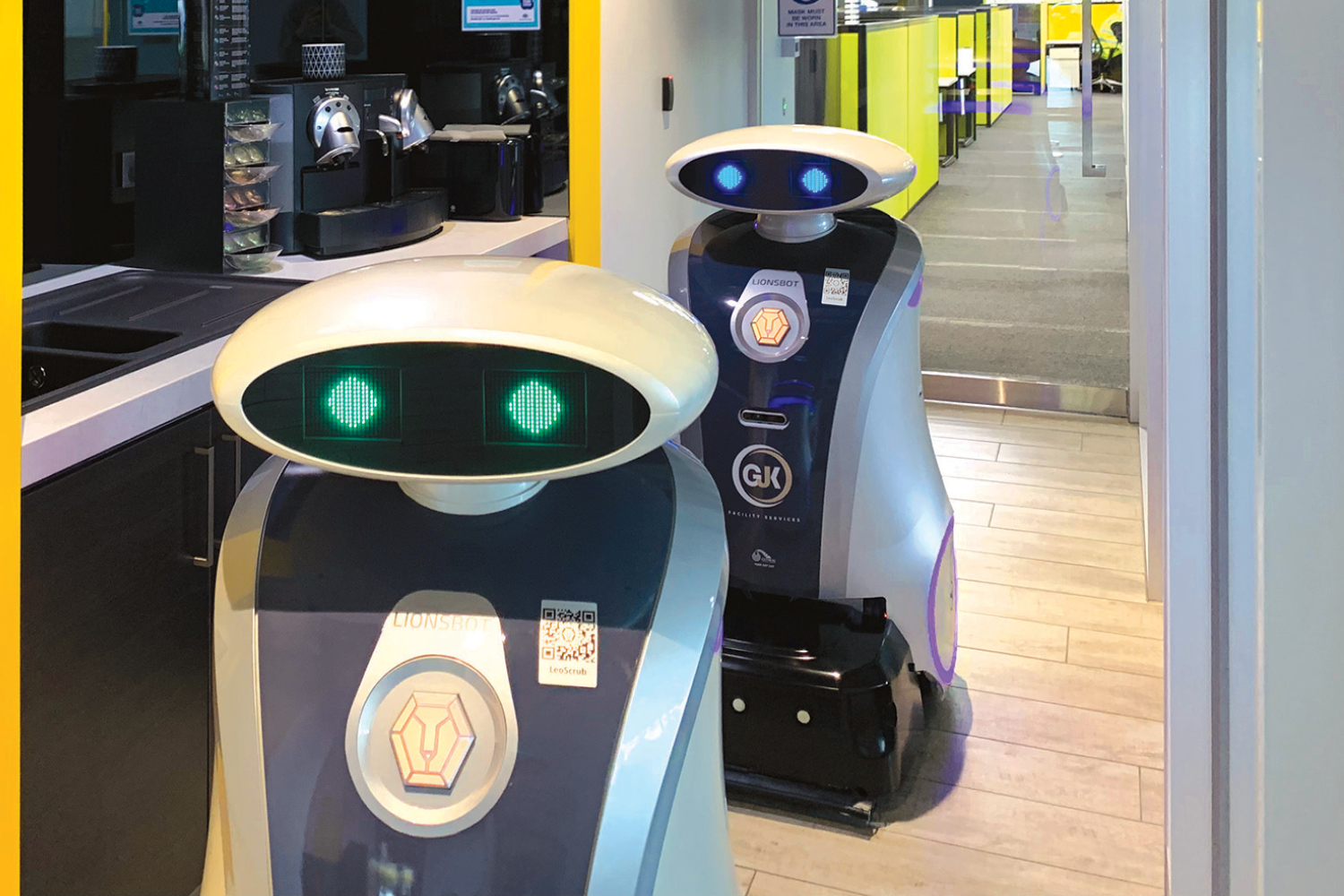

In today’s fast-paced and technology-driven world, businesses and industries across the globe are looking for ways to increase efficiency, reduce costs, and enhance safety. One of the most innovative solutions to emerge in recent years is the deployment of humanoid robots for facility inspections. These robots, often powered by artificial intelligence (AI) and equipped with advanced sensors, offer the potential to revolutionize traditional inspection methods. But what is the true return on investment (ROI) for deploying a humanoid robot for facility inspections? In this article, we will explore the key benefits, challenges, and considerations that businesses must weigh when deciding whether to deploy these futuristic machines for inspections.
Understanding the Humanoid Robot for Facility Inspections
Humanoid robots are machines designed to mimic the human body in appearance and movement. They are equipped with advanced sensors, cameras, and AI algorithms, enabling them to perform tasks that traditionally required human workers. In the context of facility inspections, humanoid robots are used to inspect infrastructure, detect faults, and ensure that safety and maintenance standards are met.
Unlike traditional robots, which are typically designed for repetitive and mechanical tasks, humanoid robots are engineered to navigate complex environments, interact with objects, and make decisions based on real-time data. They can walk, climb stairs, open doors, and even recognize hazards, making them ideal candidates for inspecting areas that may be difficult or dangerous for human workers to access.
Key Features of Humanoid Robots for Inspections
- Advanced Sensors: Humanoid robots are equipped with sensors that allow them to detect temperature, humidity, pressure, vibrations, and even gas leaks. These sensors enable them to detect anomalies in the facility’s infrastructure, ensuring early identification of potential issues.
- AI and Machine Learning: Powered by AI, humanoid robots can process vast amounts of data in real time. They can learn from past inspections, improve their performance over time, and even predict future issues based on historical data.
- Mobility and Dexterity: Unlike traditional robots, humanoid robots can navigate complex environments, such as stairs, narrow hallways, and ladders, with ease. Their dexterity allows them to interact with objects in the same way a human would, making them suitable for tasks like inspecting electrical panels or changing out parts.
- Real-time Data Reporting: Humanoid robots can provide immediate feedback during inspections, transmitting data directly to a centralized system or team. This enables facility managers to take swift action and make informed decisions.
The Economic Case for Deploying Humanoid Robots
1. Cost Reduction in Labor
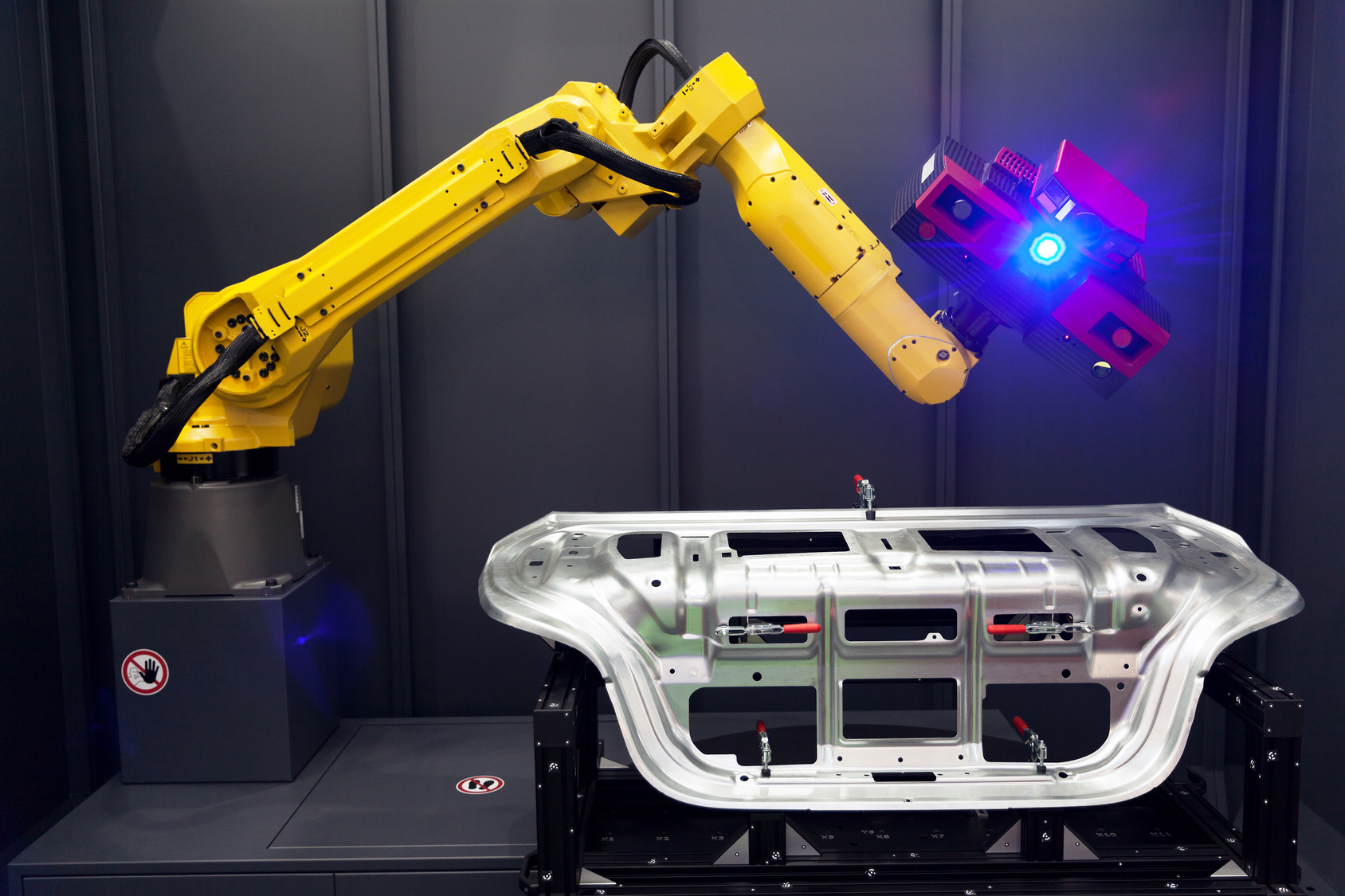
One of the most significant benefits of deploying humanoid robots for facility inspections is the reduction in labor costs. Traditional inspection methods often require a team of human workers who need to be trained, paid, and provided with safety equipment. Moreover, these workers may need to work in hazardous conditions, which can increase both health risks and operational costs.
Humanoid robots can take over dangerous and time-consuming tasks, reducing the need for human intervention. They can work around the clock, without requiring breaks or shifts, and can handle high-risk tasks like inspecting chemical storage areas or confined spaces. As a result, companies can save on labor costs and mitigate the potential risks associated with human workers.
2. Minimizing Downtime and Improving Efficiency
In many industries, downtime is a costly issue. When inspections are carried out by humans, especially in large or complex facilities, they can often lead to disruptions in operations. If an inspection requires equipment to be shut down or a worker to access hard-to-reach areas, productivity can suffer.
Humanoid robots, however, can conduct inspections with minimal disruption. Their ability to work autonomously allows them to carry out tasks while other operations continue in parallel. Additionally, they can complete inspections faster and more accurately than human workers, ensuring that any issues are identified early and addressed before they lead to costly downtime.
3. Improved Safety and Risk Mitigation
Facilities, particularly those in industries such as manufacturing, energy, or chemicals, can be hazardous environments for human workers. Exposure to toxic substances, high temperatures, and heavy machinery can pose serious risks to workers’ safety. Humanoid robots, however, can take on these high-risk tasks without exposing themselves to harm. By using robots for dangerous inspections, companies can significantly reduce the number of workplace accidents and injuries.
Moreover, humanoid robots can be deployed in situations where it would be unsafe for human workers to enter, such as after a fire, an explosion, or an industrial accident. They can assess the damage, locate survivors, and report on hazards, all while keeping human workers out of harm’s way.
4. Long-Term ROI through Data Analytics
Humanoid robots are not just tools for performing inspections—they are also powerful data collection devices. Equipped with advanced sensors, robots can gather a wealth of information about a facility’s infrastructure, such as temperature fluctuations, wear and tear on equipment, and environmental conditions. By leveraging this data, companies can optimize maintenance schedules, improve equipment lifespan, and predict when certain parts will need replacement.
This predictive capability can significantly reduce unexpected breakdowns, which are often costly and disruptive. As businesses adopt a more data-driven approach to maintenance, they can better allocate resources and invest in proactive solutions rather than reactive ones, leading to long-term cost savings.
The Non-Economic Benefits of Humanoid Robots
While the economic aspects of deploying humanoid robots are critical, there are also several non-economic benefits that businesses must consider.
1. Enhanced Precision and Accuracy
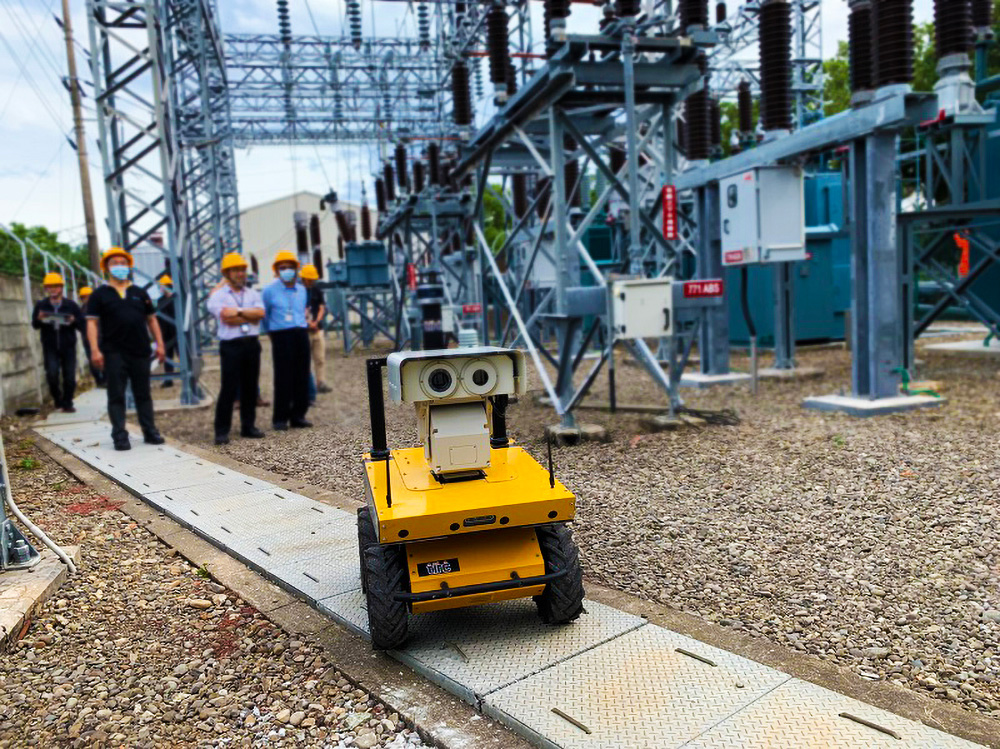
Humanoid robots are equipped with advanced sensors and AI algorithms that allow them to perform inspections with a high degree of precision. They can detect issues that might go unnoticed by human workers, such as minor leaks, temperature variations, or even structural weaknesses in a building. This level of accuracy can significantly improve the overall quality of inspections, ensuring that facilities remain in optimal condition.
2. Increased Workforce Safety and Morale
When companies deploy humanoid robots for tasks that are hazardous or unpleasant, human workers are freed from potentially dangerous jobs. This can improve overall morale and safety, as workers can focus on less physically demanding tasks that require more specialized skills. Additionally, as robots take over routine and monotonous inspections, human workers can focus on more strategic and creative work, leading to higher job satisfaction.
3. Environmental Impact
By deploying humanoid robots, businesses can reduce their environmental footprint in several ways. For example, robots can detect leaks in pipelines or energy systems, enabling companies to take corrective action before energy or resources are wasted. Additionally, humanoid robots can reduce the need for physical transportation of workers to remote sites, lowering fuel consumption and emissions.
4. Brand Image and Innovation
As the world becomes more aware of the potential of robotics and AI, companies that deploy humanoid robots for inspections are positioning themselves as innovators in their industry. This can enhance the company’s brand image, attract talent, and even appeal to customers who value sustainability and technological advancement.
The Challenges of Deploying Humanoid Robots
Despite the numerous advantages, deploying humanoid robots for facility inspections does come with its own set of challenges.
1. Initial Investment Costs
The upfront cost of humanoid robots is significant. Companies must invest in not only the robots themselves but also the infrastructure needed to support them, such as charging stations, AI systems, and data storage solutions. While the long-term ROI may justify the initial investment, the cost can be a barrier for smaller businesses or those with limited budgets.
2. Technological Complexity and Integration
Integrating humanoid robots into existing systems and workflows can be a complex and time-consuming process. Companies must ensure that the robots can communicate seamlessly with other devices and software used in the facility. Additionally, businesses need to invest in training employees to work alongside the robots, as well as in maintaining and troubleshooting the robots when necessary.
3. Ethical and Regulatory Concerns
The deployment of humanoid robots raises ethical and regulatory questions. For example, there may be concerns about job displacement, as robots take over tasks traditionally performed by humans. Additionally, businesses must ensure that they comply with regulations regarding data privacy, safety standards, and the ethical use of AI. Clear guidelines and regulations must be developed to ensure that humanoid robots are used responsibly and ethically in the workplace.
Conclusion: The Future of Humanoid Robots in Facility Inspections
The true ROI of deploying humanoid robots for facility inspections lies in a combination of tangible economic benefits and intangible improvements in safety, accuracy, and innovation. While the initial investment and technological challenges may seem daunting, the long-term advantages of improved efficiency, reduced risks, and better data-driven decision-making cannot be overlooked. As AI and robotics technology continues to advance, humanoid robots are likely to become an integral part of facility management, transforming the way inspections are conducted and setting new standards for safety and efficiency in industrial environments.